

Probate Property Sales Guide
Probate property sales involve the legal process of selling a deceased person’s property to resolve their estate. These transactions can be complex due to probate procedures, making cash buyers an appealing option for faster resolutions. Key considerations include understanding legal obligations, property valuations, and potential tax implications.
Expert Insights on Navigating Probate Property Sales

Understanding Probate Processes
Probate involves the legal procedures necessary to administer a deceased person's estate, ensuring assets are distributed according to the will or legal requirements. A crucial step in property sales under probate includes obtaining a grant of probate, which authorises executors to manage the estate.

Advantages of Cash Buyers
Opting for cash buyers in probate sales circumvents the need for lender-driven processes like mortgage approvals, offering a faster resolution. This efficiency is particularly valuable for properties needing refurbishment or when expedited sales timelines benefit estate management.

Conducting Property Valuation
Accurate property valuation is essential in probate sales to determine the fair market value, informing decisions on price-setting and tax obligations. Engaging a professional valuer ensures compliance with probate regulations and optimises sale outcomes.

Navigating Legal Challenges
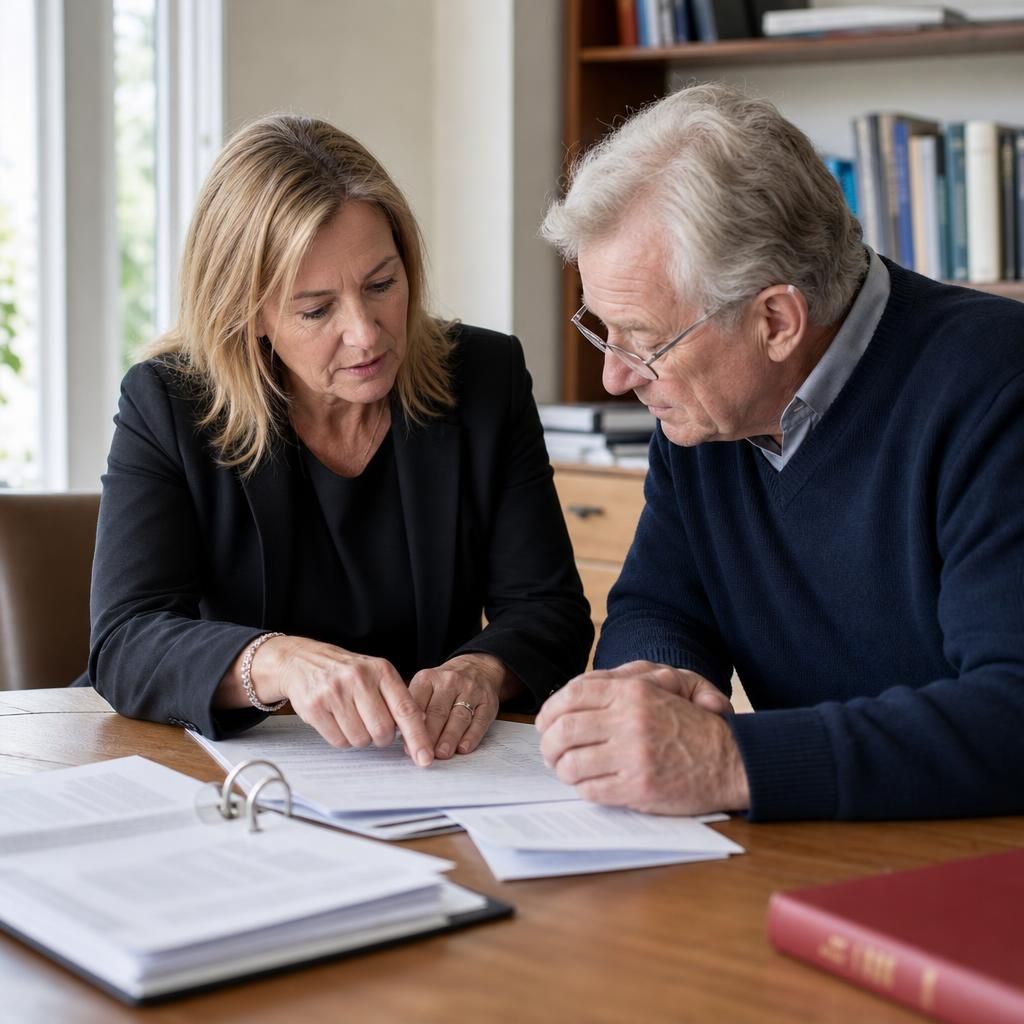
Legal complexities are common in probate sales, including validating wills and resolving disputes among beneficiaries. Having a clear understanding of legal obligations and documentation can smooth transactions, minimising potential conflicts and delays.
Tax Implications to Consider
Probate property sales may incur various taxes, such as Inheritance Tax or Capital Gains Tax. It's essential to understand these financial obligations to effectively plan and execute the sale, ensuring compliance and maximising the estate's value.

Managing Family Disputes
Disagreements among heirs can complicate probate property sales. Clear communication and expert mediation can help settle disputes amicably, allowing the sale process to proceed and the estate to be resolved in a timely manner.

Handling Property Condition Issues
Probate properties may require renovation or face structural issues that deter traditional buyers. Cash buyers are advantageous here, as they are often less concerned about cosmetic or minor structural repairs, facilitating faster sale completion.

The Role of Legal Advisors
Legal advisors play a critical role in probate property sales by guiding executors through legal paperwork, clarifying estate obligations, and helping navigate any disputes or issues that arise during the process. Their expertise ensures that the probate sale is as seamless as possible.
Addressing Key Concerns in Probate Property Sales
Probate property sales refer to the process of selling a property that was owned by someone who has passed away. This type of sale is typically part of administering the deceased person’s estate and involves specific legal procedures to ensure that the transfer of ownership is handled according to the deceased’s will or, if a will is absent, under the rules of intestacy. Important steps involved include obtaining a grant of probate, which authorizes the executor to deal with the estate, and ensuring an accurate valuation of the property for tax and distribution purposes. Given these legal intricacies, understanding the process is crucial for executing a smooth sale.
One significant consideration with probate property sales is the potential for delays caused by legal documentation requirements and possible disputes among heirs. These delays can be particularly challenging for executors and beneficiaries who may wish to expedite the settlement of the estate. Opting for cash buyers can mitigate these issues, as such buyers typically simplify the process by removing the need for mortgage financing. This reduction in dependency on lender requirements can facilitate a quicker sale, which is especially advantageous when dealing with properties that require repairs or when a swift resolution is needed to settle the estate efficiently.
Understanding the Probate Process
The probate process involves legal steps crucial for property sales, ensuring compliance with the wishes of the deceased or intestacy rules.
What Happens During Probate?
Probate involves the legal validation of a will or the intestacy process when no will exists. Key steps include applying for a grant of probate, which authorises the executor to manage the estate and property sales. For those unfamiliar with this area, legal assistance may be advisable to navigate these proceedings efficiently.
Common Challenges in Probate Sales
Probate property sales can face various hurdles, from legal complexities to family disagreements, potentially delaying the sale.
How to Overcome Probate Sales Issues
Challenges such as obtaining necessary legal documentation and addressing disputes among heirs can complicate probate sales. Consulting a legal professional familiar with probate law or choosing cash buyers may help minimise delays and facilitate a smoother transaction process.
Benefits of Selling to a Cash Buyer
Selling probate properties to cash buyers can significantly expedite the sales process, bypassing traditional market hurdles.
Why Consider a Cash Buyer?
Cash buyers offer the advantage of rapid transactions by eliminating the need for mortgage approvals and valuations often required by lenders. This results in fewer delays and can be particularly beneficial for quick resolutions needed in urgent estate settlements or when dealing with properties in disrepair.
Legal Considerations for Executors
Executors have a fiduciary duty to adhere to legal obligations during the sale of probate properties.
What Are Executors' Responsibilities?
Executors must ensure compliance with all legal and tax obligations related to selling a probate property. This includes correctly administering the estate in accordance with the will or intestacy rules, managing property valuations, and distributing proceeds to beneficiaries. Inaccuracies or errors can lead to legal liabilities and disputes.
Tax Implications in Probate Property Sales
Understanding tax responsibilities is crucial when handling sales of properties under probate to avoid unexpected financial liabilities.
How Does Tax Affect Probate Sales?
Tax considerations in probate sales include potential capital gains tax and inheritance tax obligations. Accurate property valuation is key in determining any tax liabilities. Executors should seek expert tax advice to ensure compliance with all relevant regulations and to optimise the estate’s financial position.
Selling Probate Properties Quickly and Efficiently
Probate property sales are transactions involving properties that belong to someone who has passed away, requiring legal processing to resolve the estate. These sales necessitate a grant of probate to authorize estate managers, ensuring compliance with legal and tax requirements, which can affect timing and complexity.
Opting for cash buyers expedites probate sales by removing mortgage-related delays, facilitating faster transactions essential for settling estates efficiently. This process mitigates potential legal disputes and reduces the time required for the sale, especially beneficial for properties needing repairs or quick resolution.
Understanding Probate
Probate is the legal process required to manage and distribute a deceased person's estate, including their property.
Time-Sensitive Sales
Probate property sales often require swift processing to comply with legal timelines and resolve estate matters efficiently.
Cash Buyer Advantage
Cash buyers expedite sales by eliminating mortgage-related delays, offering faster resolutions for probate properties.
Simplified Transactions
Choosing a cash buyer simplifies the sales process, reducing the legal complexities and paperwork involved.
Avoiding Disputes
Address potential disputes among heirs early to prevent delays and facilitate a smoother probate property sale.
Property Valuations
Accurate property valuation is crucial for tax assessments and equitable distribution during probate property sales.
Frequently Asked Questions About Probate Property Sales
What is the process for selling a house in probate?
Probate property sales often face legal and procedural delays, but choosing cash buyers can expedite the process by eliminating the need for mortgage approvals, offering a quicker resolution for estate settlement.
How can I sell a probate property quickly?
Choose a cash buyer to avoid mortgage delays and accelerate the probate property sale process, ensuring a quick transaction and efficient estate settlement.
What are the tax implications of selling a probate property?
Selling probate properties may incur capital gains tax if the property's value increased since the deceased's death. Executors should consult legal advisors to navigate these potential tax obligations.
What documents are required for a probate property sale?
Essential documents include the grant of probate, death certificate, property deeds, and identification of the executor. These are necessary to validate the seller's authority and initiate the sale process.
What challenges might I face when selling a house in probate?
Selling a probate property can involve legal challenges, such as navigating complex paperwork, potential disputes among beneficiaries, and meeting specific probate court deadlines to ensure a lawful and timely transaction.

Efficient Cash Purchases for Probate Properties
Probate property sales involve the legal process of selling a home that was owned by a deceased individual. This requires obtaining a grant of probate, which authorises the executor to manage and distribute the estate according to the will or intestacy rules. Cash buyers are often preferred in these cases for their ability to expedite the sale process, avoiding traditional delays associated with mortgage approvals.
The complexities of probate sales often include legal documentation and the potential for disputes among beneficiaries. By choosing cash buyers, sellers can bypass common setbacks, as the need for finance-related checks is eliminated. This streamlined process is advantageous for properties requiring urgent sales, such as those needing repairs or immediate resolution.
Understanding the implications of probate sales is crucial, particularly regarding property valuations for tax purposes and the legal responsibilities of executors. Faced with possible delays or hurdles, sellers can benefit from the faster transaction times offered by cash buyers, facilitating a smoother transition and efficient estate management.
Probate Property Sales Q&A
What is the process for selling a property in probate?
Cash buyers help streamline probate sales by eliminating mortgage approvals, reducing delays and legal complexities, leading to a faster transaction process essential for efficient estate settlement.
What are the common challenges faced when selling a house in probate?
Probate sales often face complications like unclear property titles, legal disputes among heirs, and mandatory valuations for tax purposes, all of which can delay the sale process significantly.
How do cash buyers impact the timeline of a probate property sale?
Cash buyers expedite probate sales by eliminating the need for mortgage approval, which reduces waiting times. This approach leads to faster sales completion, benefitting estate executors seeking efficient resolution.
What legal documents are essential for selling a probate property?
Essential legal documents for selling a probate property include the grant of probate, which confirms the executor's authority, and property title deeds. Additional documents may include valuation reports and tax clearance certificates.
How do probate property sales differ from standard real estate transactions?
Probate sales involve legal complexities, including obtaining a grant of probate, which differs from standard sales that often rely on mortgage financing. Cash buyers can expedite these intricate processes effectively.
Request Your Free Probate Sales Consultation Today
Request a free consultation now to navigate the complexities of probate property sales efficiently. Our experts provide guidance on fast, cash-based transactions to streamline the estate settlement process, avoiding typical delays associated with mortgages.