
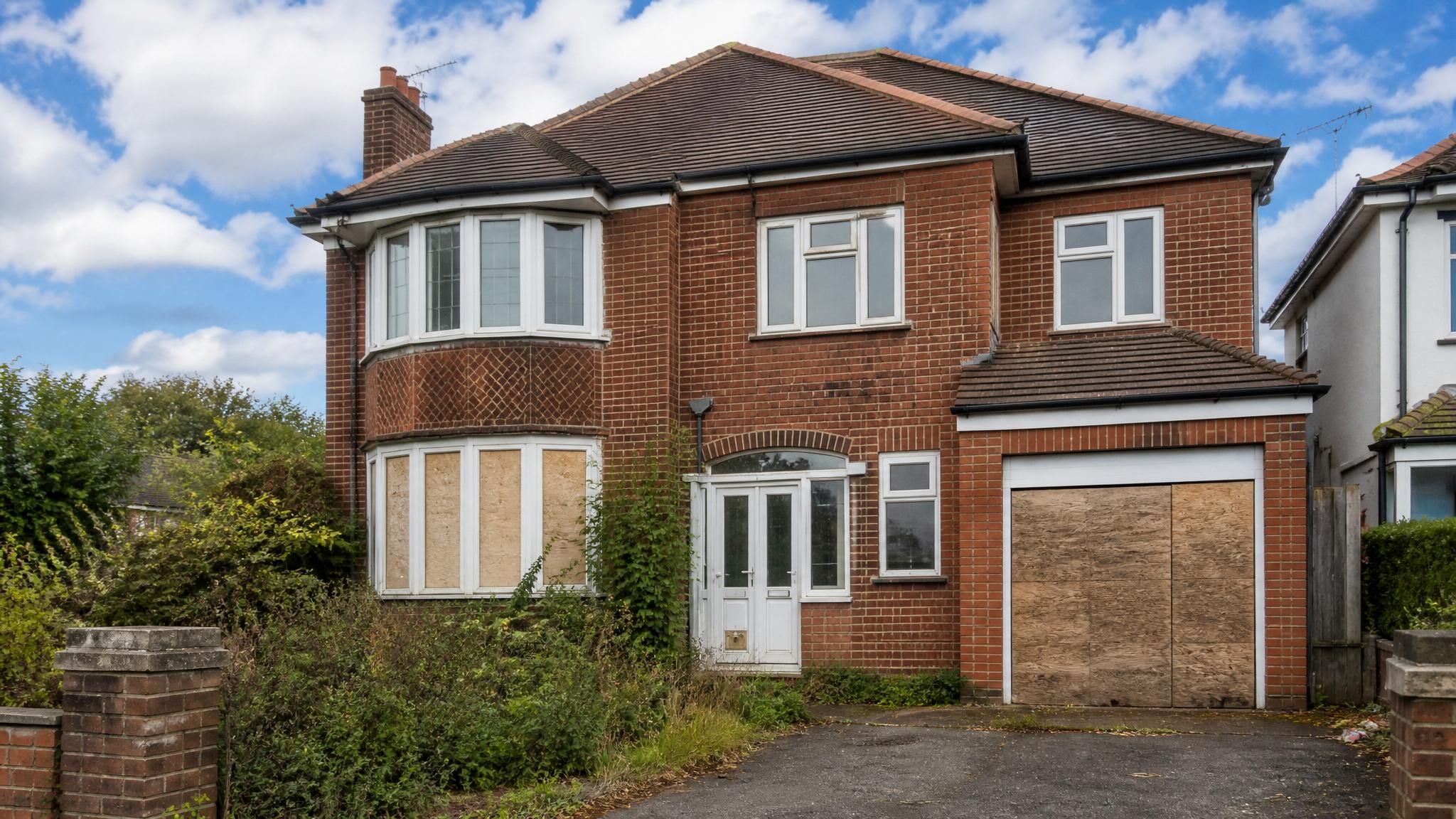
Insuring Property During Probate
Insuring a house in probate is crucial to protecting the estate’s value and safeguarding the property against potential risks. During probate, specialised insurance can cover vacant homes, compensating for standard policies that may not apply. Consider aspects like extended coverage, periodic inspections, and securing utilities to maintain integrity and prevent potential damage.
Expert Insights on Probate Property Insurance
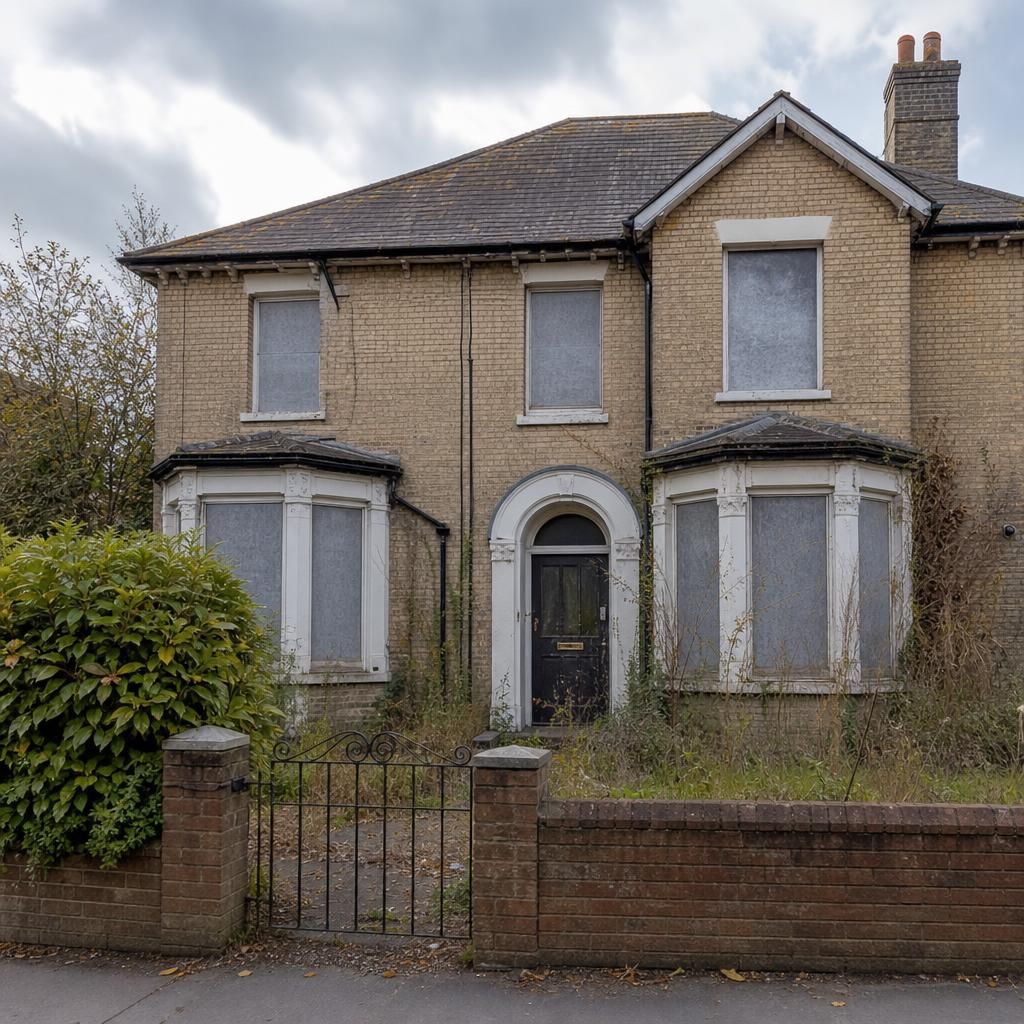
Understanding Probate Insurance
Probate insurance is specifically designed to cover properties that are vacant due to estate proceedings. Unlike traditional home insurance, this policy addresses risks inherent in the probate process, such as vandalism and theft.
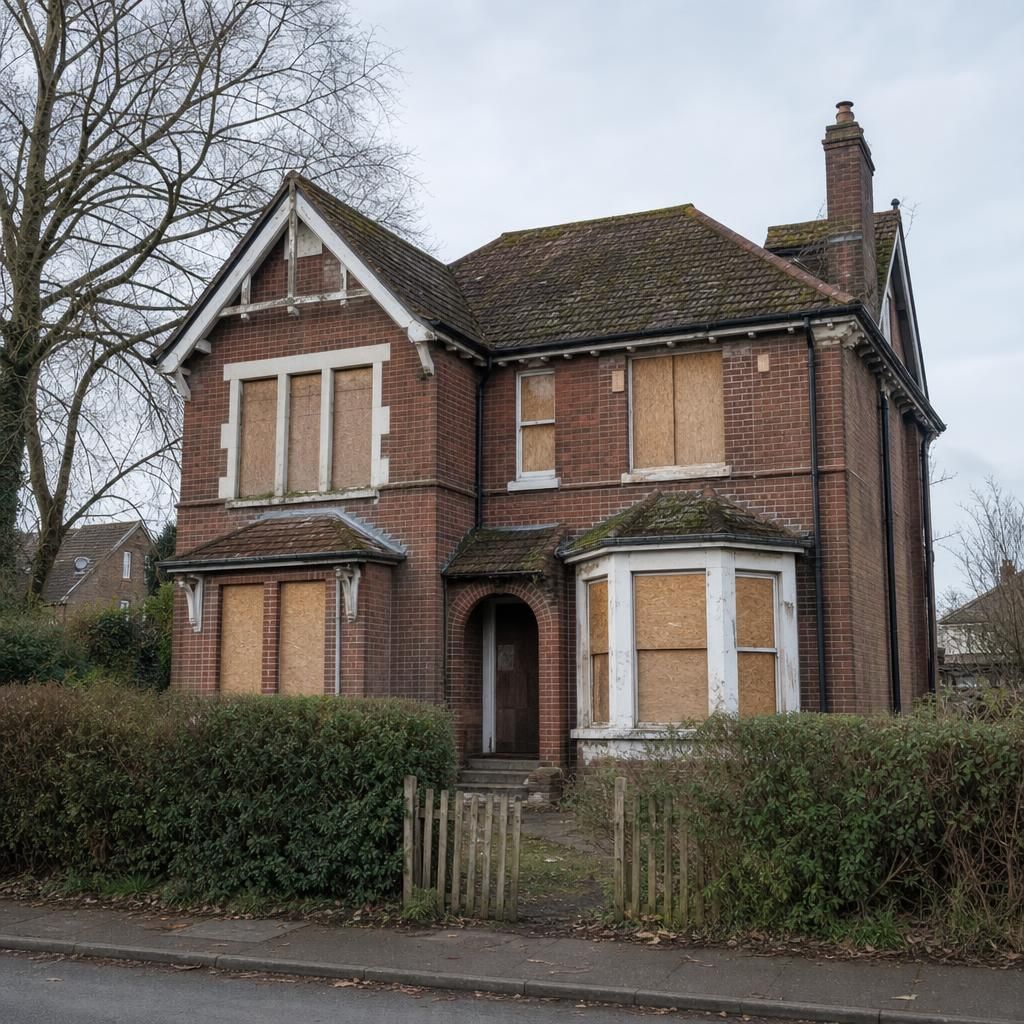
Vacant Property Coverage
Vacant property insurance provides essential protection for homes left unoccupied during probate. It fills the gap that standard policies leave, ensuring coverage for damages common to empty houses.
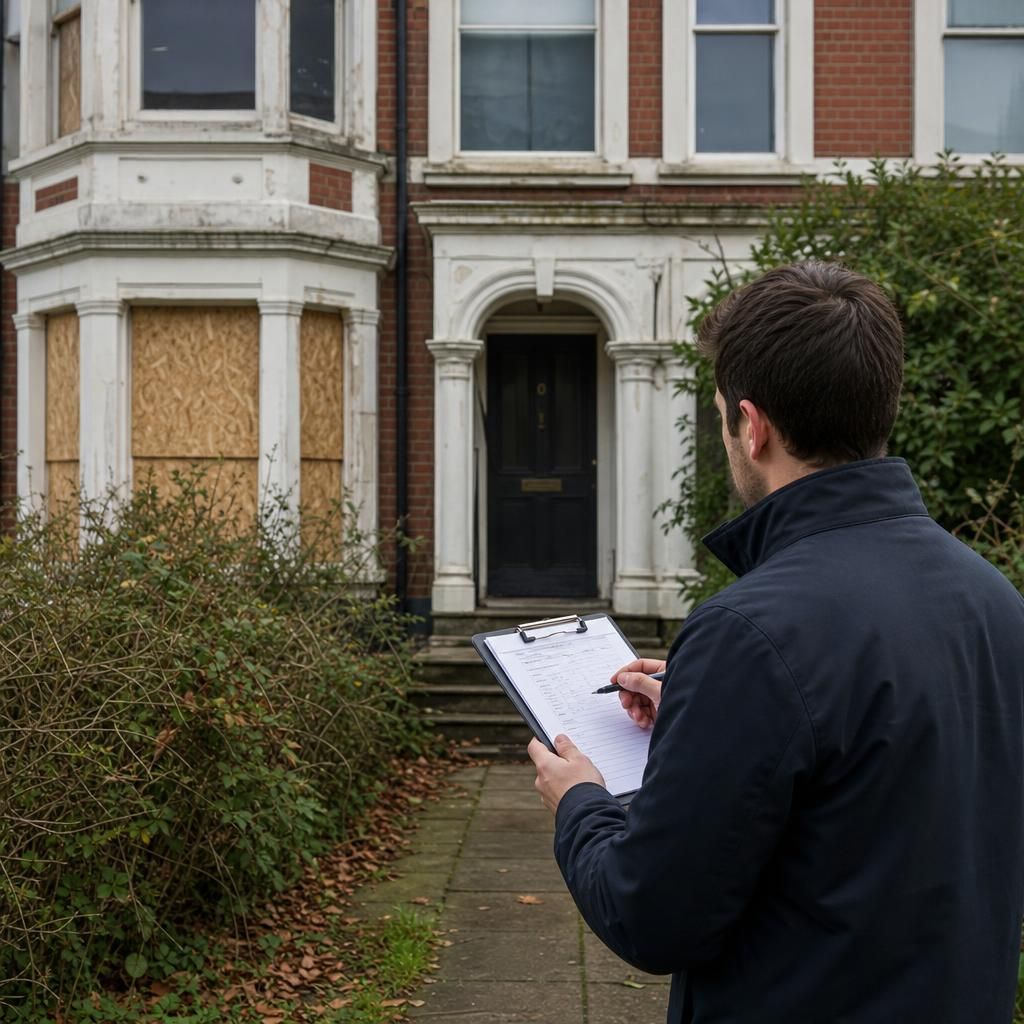
Inspection Requirements
Frequent inspections are often a condition of probate insurance policies. These help deter threats like vandalism and ensure any damage is quickly noticed and addressed, maintaining the property's integrity.
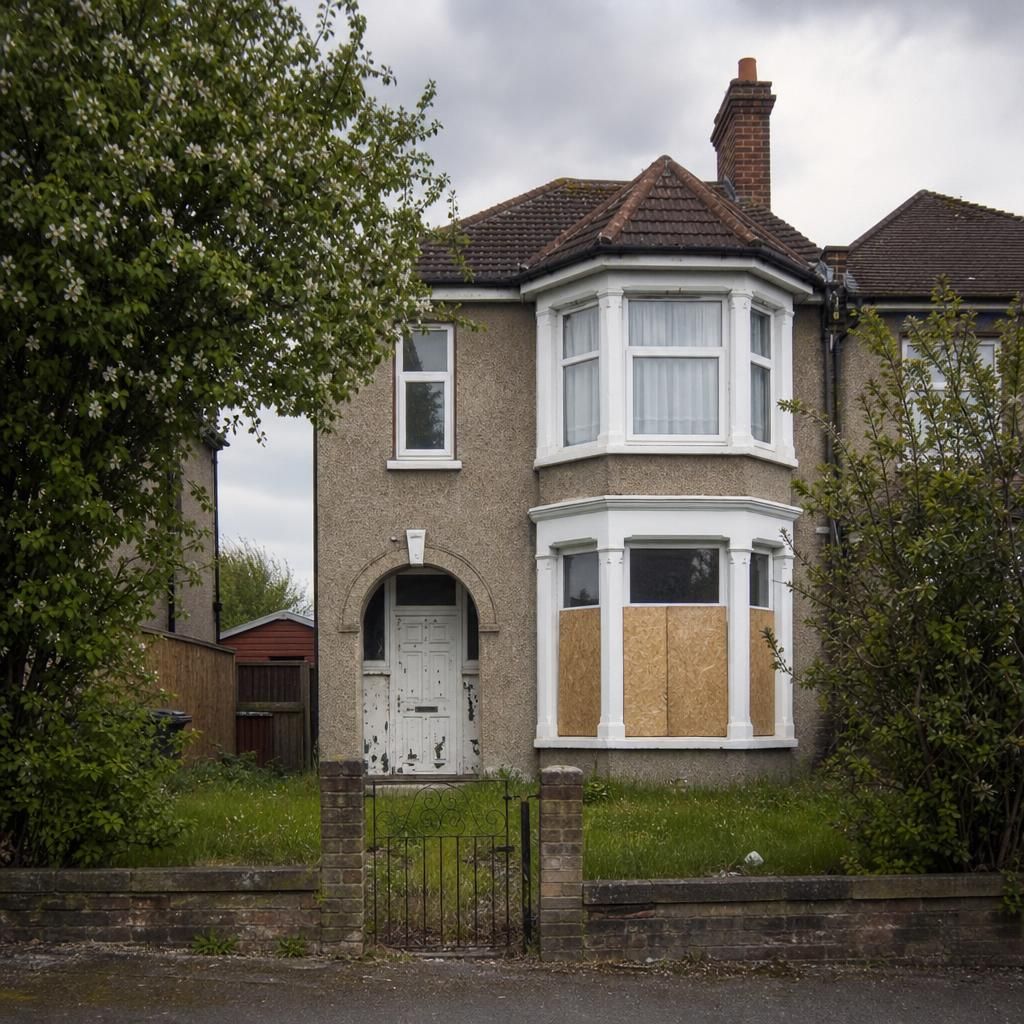
Securing Utilities
Keeping utilities operational is crucial in reducing risks such as burst pipes or electrical failures. Many probate insurance policies stipulate maintaining basic utilities as a condition of coverage.
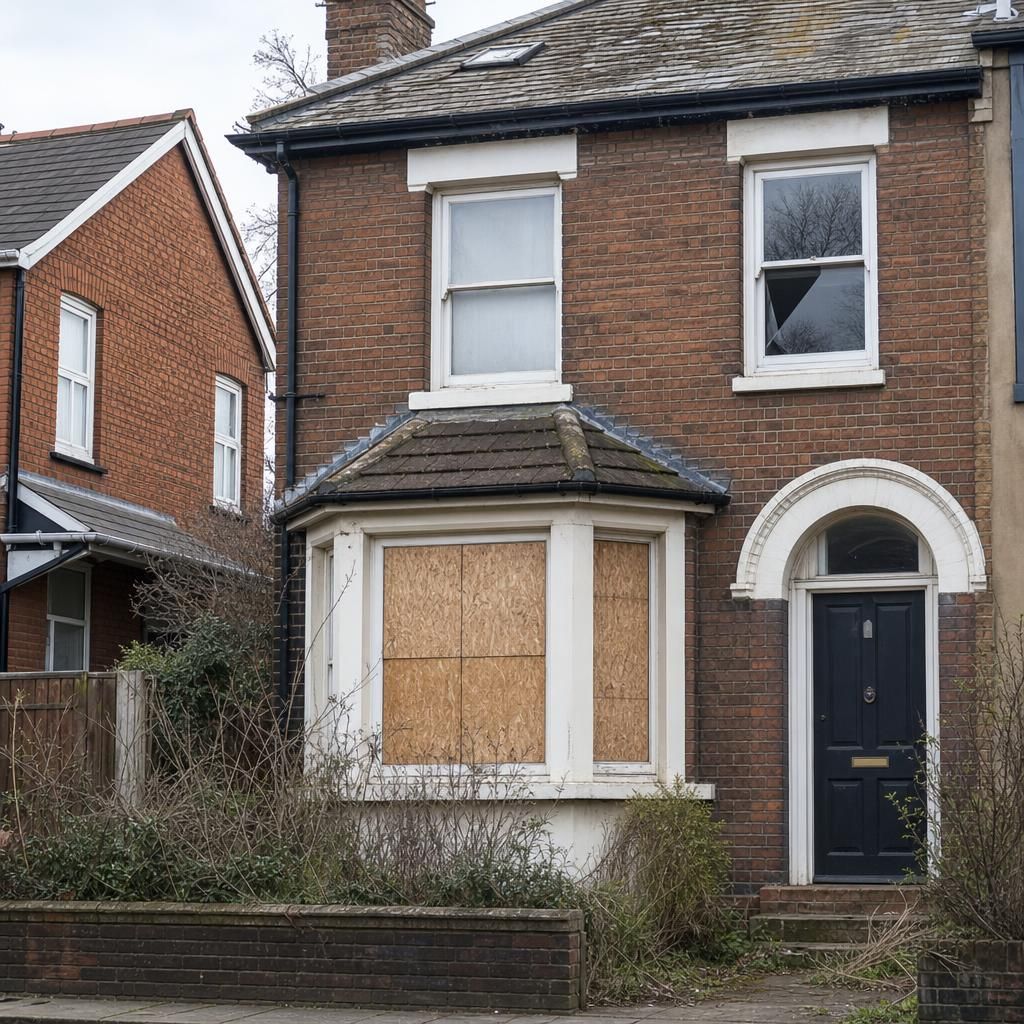
Comparing Policies
Probate insurance often includes extended coverage options not present in standard policies. It's vital to compare different policies to ensure comprehensive protection against potential liabilities.
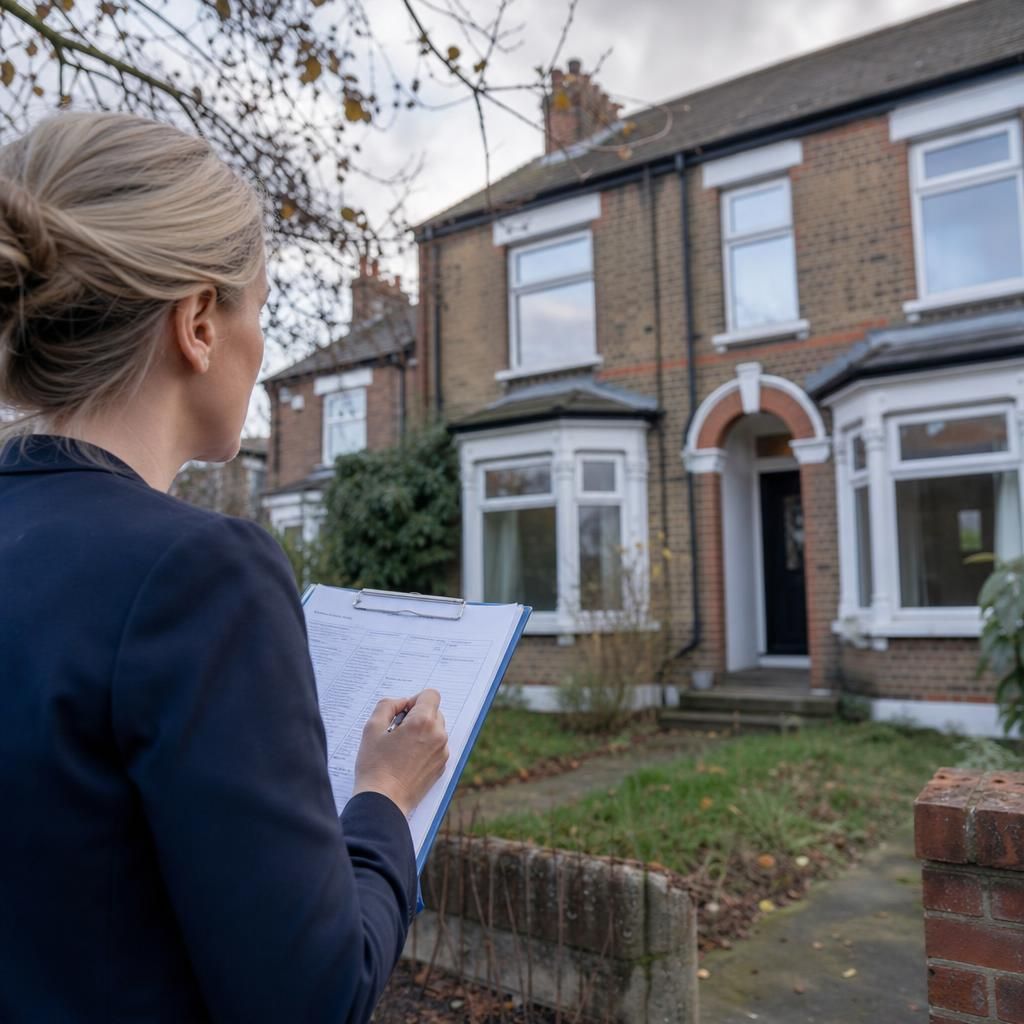
Importance of Expert Consultation
Consulting with insurance professionals experienced in probate can help in choosing a suitable policy. Their expertise can guide you through the nuances of securing a vacant home effectively.
Understanding Probate Property Insurance
Insuring a house in probate requires attention to the specific needs of properties that are often left vacant during estate proceedings. Standard home insurance policies typically exclude coverage for vacant properties due to increased risks such as vandalism, theft, and maintenance-related issues. To address these gaps, specialised vacant property insurance is necessary. This type of coverage is tailored to protect against the unique vulnerabilities faced by homes in probate.
One key consideration is the extent of cover provided for vacant periods. Policies may include requirements such as regular inspections of the property to ensure ongoing protection and to maintain the terms of the insurance. It is also crucial to keep utilities in working order, as neglect can lead to incidents like burst pipes or electrical faults, which are often excluded from standard policies.
When choosing an insurance policy for a probate property, collaborating with an insurer experienced in estate properties can offer guidance on suitable coverage options. This ensures the estate is adequately protected against potential liabilities throughout the probate process, preserving the property’s value until it can be resolved according to the will or legal proceedings.
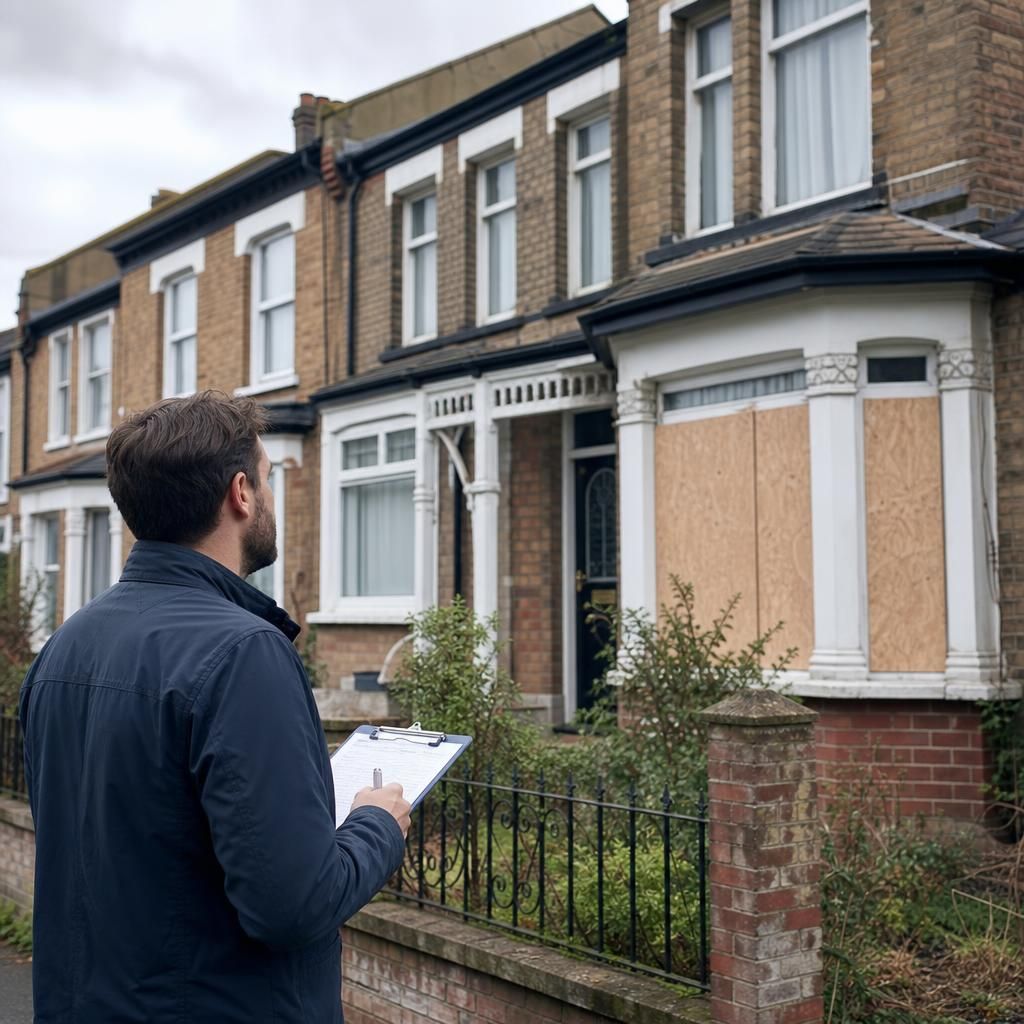
Comprehensive Guide to Probate Property Insurance
Ensuring adequate insurance coverage for a property during probate is essential to maintaining the estate’s value and protecting against unexpected risks. Probate properties often remain vacant during estate proceedings, making them more vulnerable to threats such as vandalism, theft, and structural damage due to lack of maintenance. Ordinary home insurance policies frequently exclude coverage for vacant properties, necessitating the adoption of specialised vacant property insurance which offers protection tailored to these unique circumstances.
When choosing an insurance policy for a house in probate, it is critical to consider the specific requirements and terms associated with vacant property coverage. This often includes conditions that mandate regular inspections to ensure the property’s safety and verify compliance with the policy’s terms. Furthermore, maintaining the property’s utilities, such as heating and electricity, is important to prevent damage from issues like frozen pipes or electrical malfunctions, which may otherwise lead to costly repairs. Consulting with an experienced insurer who understands probate properties can aid in selecting the most suitable coverage options, ultimately ensuring the estate’s protection during the probate process.
Understanding the Need for Vacant Property Insurance
Vacant properties, such as those in probate, require specialised insurance due to increased risks that standard policies do not cover.
Why Vacant Property Insurance Is Essential
Vacant property insurance is specifically designed to cater to homes that are unoccupied, often more susceptible to threats like vandalism, theft, and weather-related damages. Regular homeowners insurance usually excludes these risks, necessitating a specialised policy to ensure continuous protection during the probate process.
Regular Inspections Requirement
Insurance policies for probate properties often mandate regular inspections to maintain coverage.
The Importance of Regular Property Inspections
Many vacant property insurance policies require regular inspections to ensure that the home is in good condition. Inspections help identify issues such as structural damages or trespassing early, allowing for timely intervention and continued compliance with the insurance terms, thus maintaining the property’s value during the probate process.
Securing Utilities and Maintenance
Proper maintenance of utilities is crucial in preventing avoidable damages that insurance might not cover.
Ensuring Proper Utility Maintenance
Keeping utilities like heating and electricity operational in vacant probate properties is vital. Failure to maintain them can lead to severe issues such as frozen pipes or electrical hazards, which are often not covered by insurance. Regularly monitoring these amenities helps protect the property and prevents costly damages.
Consulting with Experienced Insurers
Engaging with insurers who specialise in probate properties can simplify the process of securing suitable coverage.
Benefits of Experienced Insurer Consultation
Working with insurers familiar with probate-related challenges can provide tailored advice on the most suitable insurance policies. These experts can guide estate executors through complex requirements, ensuring compliance and adequate protection for the vacant property throughout the probate process.
Differences Between Probate and Standard Home Insurance
Understanding how probate insurance differs from regular home insurance can aid in selecting appropriate coverage.
Key Differences Explored
Unlike standard home insurance, probate insurance is designed to cover unoccupied homes, encompassing additional risks. It often includes clauses related to vacancy periods and regular property checks, offering a bespoke solution for safeguarding estate value during the probate timeframe against risks usually outside standard policy bounds.
Key Questions for Insuring Probate Properties
What are the specific coverage exclusions commonly found in vacant property insurance for probate homes?
Vacant property insurance protects homes left unoccupied during probate from unique risks like vandalism and theft. Policies usually require regular inspections to maintain coverage and the safety of the property.
What factors should be considered when selecting an insurer for a property in probate?
Look for insurers with expertise in probate properties, check their claims process efficiency, and ensure they offer cover that meets legal requirements and includes vacant property insurance options.
What steps should be taken to prepare a probate property for insurance eligibility?
Ensure the property is secure, conduct necessary repairs, maintain utilities, and schedule regular inspections to meet insurance requirements. This ensures eligibility and protects against potential risks during probate.
How can you ensure compliance with legal obligations when insuring a house during probate?
Consult with a solicitor or probate expert to understand legal insurance requirements and ensure all due diligence obligations are met, protecting the estate from potential liabilities during the probate process.
What factors determine the cost of insurance for a house in probate?
Insurance costs for probate properties depend on factors like property location, condition, level of coverage required, and any additional security measures in place to mitigate risks.
Step-by-Step Guide to Insuring a House in Probate
Insuring a house in probate ensures the property’s safety during estate proceedings. Understanding the insurance process is crucial for mitigating risks associated with vacant properties, which standard policies often do not cover. Specialised vacant property insurance can fill these gaps.
Understanding Probate Insurance Needs
Probate insurance is specifically designed to cover properties that are unoccupied during the probate process. This insurance is crucial because standard home insurance usually does not cover vacant properties due to heightened risks such as vandalism, theft, and unforeseen damage. Specialised coverage ensures that the property remains protected until the probate process concludes.
Assessing Coverage Options
When selecting a probate insurance policy, it is important to evaluate the specific coverage options available. Policies may vary in terms of the risks they cover, including damage from weather, fire, and vandalism. Carefully reviewing the policy details ensures the estate's protection against these potential threats.
Periodic Property Inspections
Most vacant property insurance policies require regular inspections to maintain coverage. These inspections serve to identify and address any emerging issues, such as maintenance problems or breaches, that could compromise the property’s security or structural integrity. Fulfilling this requirement helps in adhering to policy terms and protecting the estate's value.
Maintaining Utilities
Keeping utilities such as water, electricity, and heating operational is often a condition of void property insurance. Active utilities help prevent damage from events like frozen pipes or electrical surges, which are not covered by standard policies. Ensuring utilities are maintained can avert costly repairs and safeguard the property during probate.
Choosing the Right Insurer
Selecting an insurer experienced with probate property can provide valuable guidance on suitable insurance options. An informed insurer will be familiar with the challenges associated with insured probate properties and can recommend policies that adequately address the specific risks and requirements unique to vacant estates.
Documenting Property Condition
Documenting the property's condition at the beginning of the probate process can be a vital step in securing insurance. Photographic evidence and detailed reports can serve as references should any claim need to be made, ensuring a clear record of the property's state before any potential damage or issues occur.
Probate Property Protection: Comprehensive Insurance Insights
When a property is in probate, obtaining the right insurance is vital to safeguarding its value and condition during the legal process. Standard insurance policies often exclude coverage for vacant homes, making specialised vacant property insurance a necessary consideration. This coverage is designed to address increased risks such as theft, vandalism, and damage due to lack of maintenance.
Insurance for probate properties commonly requires regular inspections to ensure compliance with policy terms and to detect potential issues early. These inspections can help maintain the property’s safety and manage liabilities effectively. Additionally, keeping utilities operational is crucial, as issues like burst pipes or electrical failures are often not covered under standard policies.
Selecting an insurer with experience in probate properties can provide guidance on the most suitable insurance options. This ensures comprehensive protection against potential liabilities and helps preserve the property’s value until the estate is settled according to legal requirements.

Common Questions About Insuring Probate Properties
What types of insurance are available for properties in probate?
Ensure the property remains intact by keeping utilities on; insurers often require this to manage risks such as pipe bursts, which are common in unoccupied homes during probate.
How can I reduce insurance premiums for a property in probate?
Increase security measures to potentially lower premiums; insurers favour properties with installed alarm systems, secure locks, and regular monitoring, as these reduce the risk of damage or theft during probate.
What are the requirements for obtaining vacant property insurance during probate?
Obtain vacant property insurance by providing detailed information about the property, ensuring it is secured, and arranging for regular inspections as required by insurance providers to mitigate risks.
What are the consequences of not insuring a probate property?
Without insurance, probate properties are vulnerable to theft, vandalism, and damage. This can decrease the estate's value and increase liability, potentially hindering a smooth probate process and settlement.
What are the benefits of maintaining utilities in a probate property?
Maintaining utilities reduces risks like burst pipes or electrical failures, ensuring the property's safety. It also helps maintain the home's condition, potentially lowering insurance costs during the probate process.