

Probate Estate Valuation Guide
Probate estate valuation involves assessing the market value of a deceased person’s property to ensure accurate tax calculations and equitable distribution among inheritors. This guide outlines the process of obtaining a reliable valuation, considering factors like market trends, property condition, and any legal encumbrances.
Expert Insight: Assessing Probate Property Value
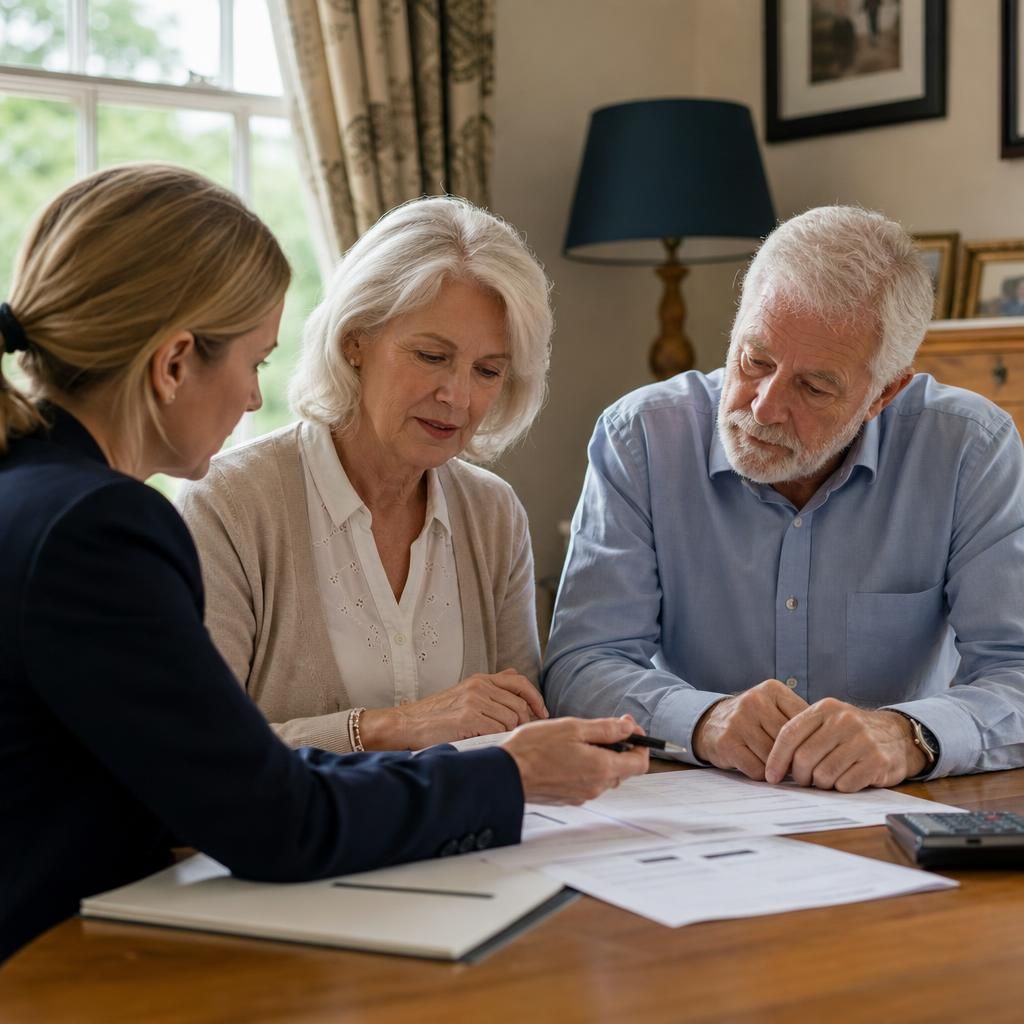
Understanding Probate Valuation
Probate valuation involves determining the market value of a deceased person's property at the time of their death. It requires expertise to ensure accuracy, influence inheritance tax calculations, and support equitable asset distribution.
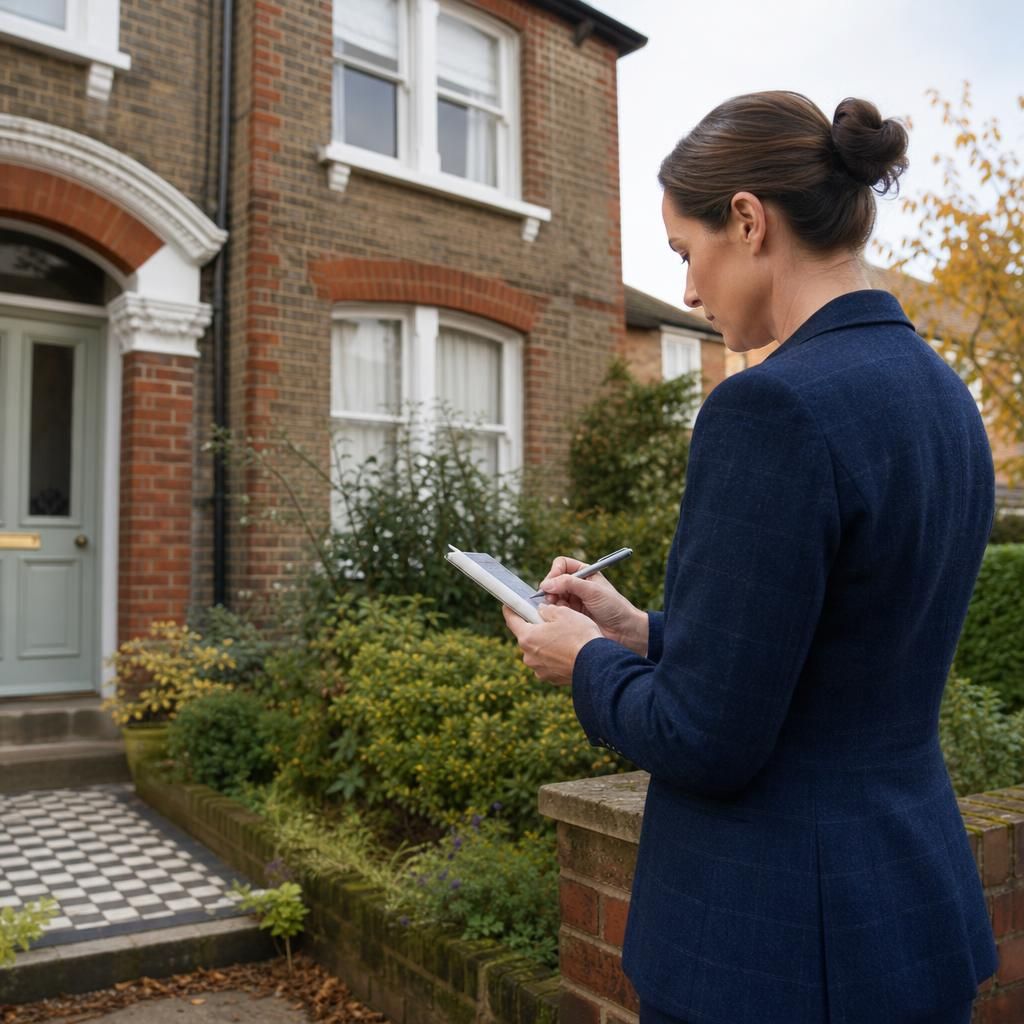
Impact of Market Trends
Market conditions play a significant role in probate property valuation. Fluctuating property prices, demand, and emerging neighbourhood developments must be analysed to provide an accurate property assessment.
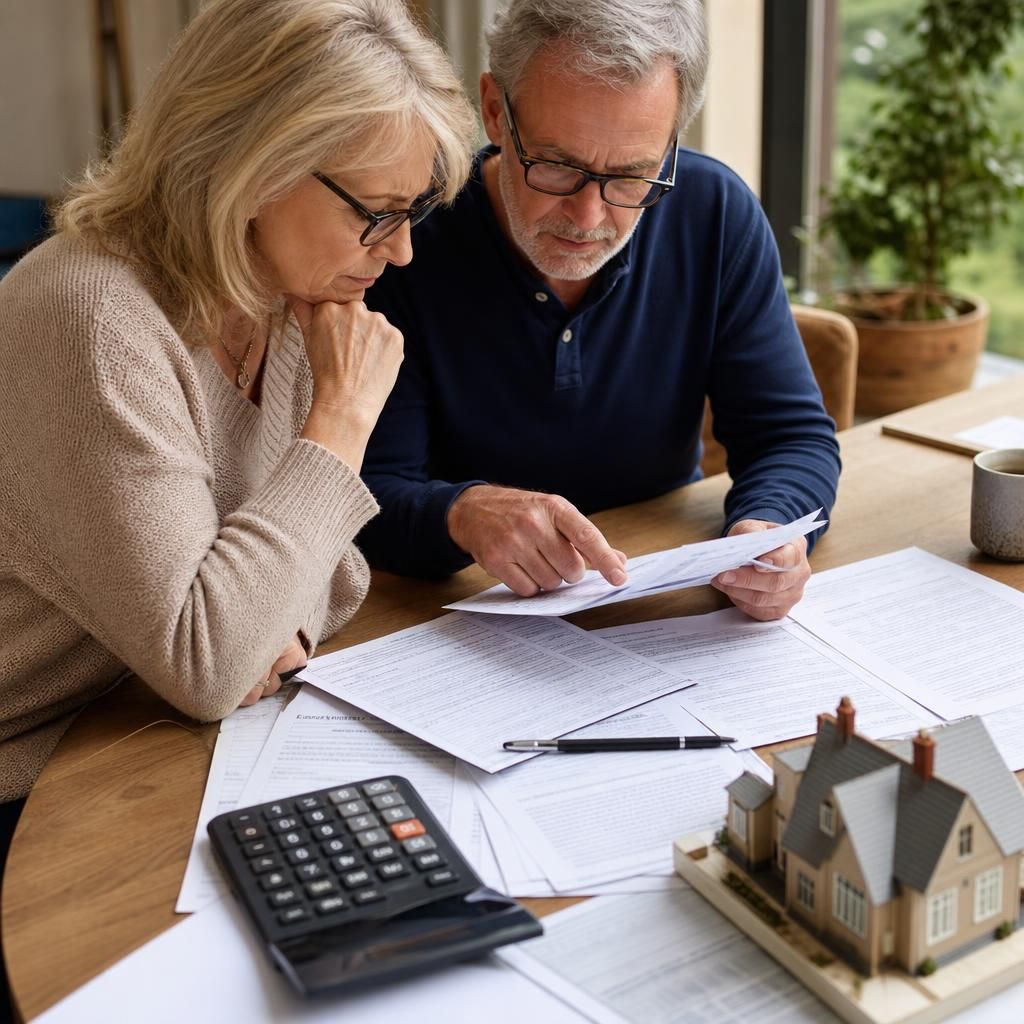
Evaluating Property Condition
The state of the property, including structural integrity, renovations, and any necessary repairs, directly affects valuation. Thorough assessment ensures a realistic estimate reflecting current conditions.

Assessing Legal Factors
Valuers must consider any legal encumbrances on the property, such as outstanding mortgages or disputes. These factors can significantly influence both the value and the ease of executing a sale.

Role of Chartered Surveyors
Engaging a chartered surveyor is crucial for obtaining a professional, unbiased valuation. Their expertise ensures compliance with probate requirements and provides a reliable assessment based on thorough inspections.

Using Comparable Properties
To establish accurate valuations, similar properties in the same location are analysed for price comparisons. This practice helps highlight market value and discrepancies unique to probate settings.

Considering Unique Features
Unique property attributes, such as extensions or notable historic value, can affect overall valuation. Such features may add value, necessitating detailed consideration during assessments.

Navigating Regulatory Requirements
Probate valuations must meet specific legal and regulatory standards distinct from regular property assessments. Understanding these requirements ensures compliance and prevents potential disputes or delays.

Inheritance Tax Considerations
Accurate probate valuations are essential for calculating inheritance tax liabilities. Understanding tax implications and seeking expertise helps mitigate financial burdens on beneficiaries.
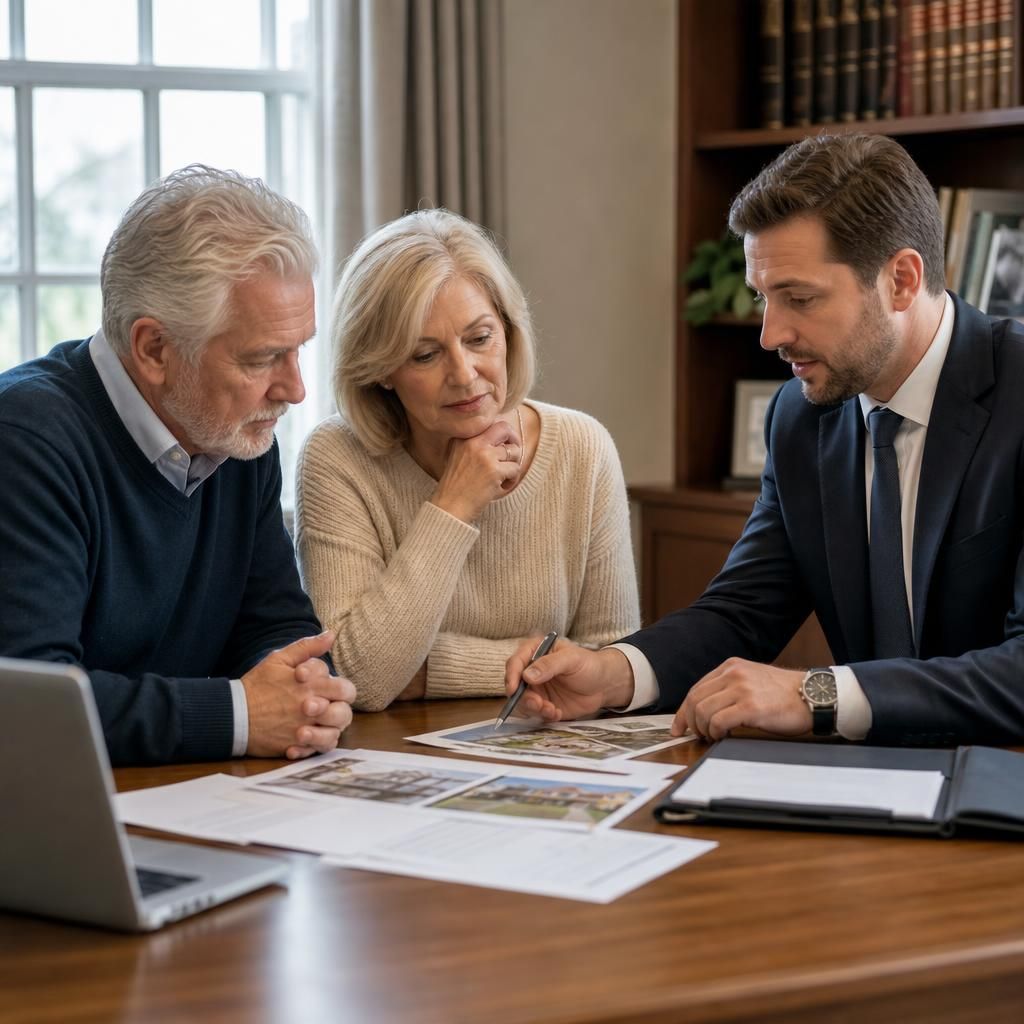
Understanding Probate Estate Valuation
Probate estate valuation is the process of determining the market value of a deceased individual’s property at the time of their death. This valuation is essential to calculate inheritance tax and ensure a fair distribution of assets among beneficiaries. The valuation takes into account various factors such as the property’s current market condition, recent sales of similar properties, and any legal or physical encumbrances.
One of the key steps in the probate valuation process is obtaining a report from a qualified chartered surveyor who specialises in property appraisal for probate purposes. It is crucial to consider differences between probate and standard market valuations, as probate valuations adhere to specific legal and tax guidelines, potentially impacting the final assessed value.
Additional considerations include identifying unique property features that could enhance or detract from value. Understanding these elements can aid in achieving accurate valuations, aligning with both legal requirements and the interests of all parties involved in the estate. It is advisable to remain informed about any local market trends and regulatory updates that may affect probate valuations.
In-Depth Probate Valuation Insights
Probate estate valuation is a thorough assessment of a deceased individual’s property to establish its market value at the time of their death. Understanding this valuation is crucial, as it forms the basis for calculating inheritance tax and aids in the equitable division of assets among beneficiaries. The process involves considering various determinants such as the current market trends, the property’s physical condition, and any legal encumbrances like mortgages or disputes that might affect value estimates. Employing a chartered surveyor who specialises in probate can offer a precise valuation, ensuring compliance with legal requirements.
There are distinct differences between probate valuations and standard market appraisals. Probate valuations must adhere to stringent legal and tax guidelines, potentially affecting the property’s assessed value. Moreover, incorporating unique property features or recent renovations can further influence the final valuation. To achieve accuracy, it is vital to stay informed about local market dynamics and relevant legislative changes that might impact assessments. A comprehensive understanding of these aspects helps in aligning valuations with both legal obligations and the interests of all involved parties.
Understanding Legal Requirements for Probate Valuation
Legal requirements play a critical role in probate estate valuations. These requirements ensure that valuations are compliant with tax regulations and legal standards, affecting how properties are assessed during probate.
Key Legal Considerations in Probate Valuation
Probate valuation requires adherence to specific legal frameworks to ensure accuracy and compliance with tax laws. It is essential to source a professional, such as a chartered surveyor, who understands these requirements and can provide a valuation that aligns with the legal demands. The valuation process must consider inheritance tax calculations, potentially identifying obligations that need to be met. Understanding these legal aspects ensures a smooth probate process and prevents disputes among beneficiaries.
Role of the Chartered Surveyor
A chartered surveyor specialises in providing valuations suitable for probate. Their expertise is crucial to ensure that the valuation reflects the true market value while adhering to legal and tax requirements.
Why Choose a Chartered Surveyor for Probate Valuations?
Chartered surveyors are professionally accredited to perform property valuations, making them ideal for probate processes. They possess the necessary experience and understanding of market dynamics and legal nuances. Their valuations are comprehensive and legally sound, ensuring compliance with inheritance tax legislation and reflecting fair market value. Engaging a chartered surveyor helps to mitigate risk and provide peace of mind that the valuation is accurate and conclusive.
Impact of Market Trends on Property Valuation
Market conditions greatly influence property valuations by affecting demand and supply dynamics. Understanding these trends can provide insights into the potential value fluctuations of properties under probate.
Assessing Market Conditions for Accurate Valuation
Current market trends play a pivotal role in determining property values. It is important to consider aspects such as regional property price movements, economic conditions, and housing demand. These factors can sway the valuation, necessitating a current market analysis when evaluating properties for probate. It’s important for chartered surveyors to incorporate this data to reflect an accurate assessment of the property’s worth at the time of death.
Factors Affecting Property Valuations
Various factors can influence the assessed value of a property during probate, from physical attributes to legal issues, each of which must be carefully evaluated during the valuation process.
Evaluating Influential Factors in Property Valuation
Several attributes affect property valuation, including location, size, condition, and unique features such as listed status or heritage designations. Legal encumbrances, like mortgages or unresolved disputes, also impact the valuation process. To ensure an accurate valuation, these factors must be meticulously considered by the professional conducting the assessment, providing a holistic understanding of the property’s true market value.
Key Questions for Probate Estate Valuation
What factors should be considered when choosing a chartered surveyor for probate estate valuation?
A chartered surveyor offers an impartial, professional valuation aligned with legal standards, helping ensure the accurate calculation of inheritance tax and supporting the fair distribution among beneficiaries.
What is the typical timescale for completing a probate estate valuation?
The probate estate valuation process typically takes several weeks to complete, dependent on property specifics and local market conditions, ensuring the valuation aligns with legal requirements and tax guidelines.
What documentation is required for a probate estate valuation?
Essential documents include the deceased's will, death certificate, land registry details, and any mortgage or loan agreements. Having these on hand streamlines the valuation process and ensures compliance.
How do legal complexities affect the outcome of a probate estate valuation?
Legal complexities can influence valuation outcomes by necessitating thorough documentation and compliance with specific regulatory standards, potentially impacting the assessed market value due to legal obligations or disputes.
How can market trends impact the valuation of a probate estate property?
Market trends influence probate property valuations by impacting perceived value, driven by demand-supply dynamics, local economic conditions, and recent sale prices of comparable properties in the area.
Understanding the Probate Estate Valuation Process
Our step-by-step guide explains the comprehensive process of probate estate valuation, offering clarity and confidence as you navigate through valuation, legal compliance, and documentation stages. It ensures a smooth, informed journey.
Initial Property Assessment
The process begins with an initial assessment of the property, evaluating its condition, location, and marketability. This assessment helps identify any factors that may influence the valuation, such as structural issues or unique features.
Engaging a Chartered Surveyor
It is essential to engage a chartered surveyor who specialises in probate valuations. The surveyor conducts a thorough inspection and prepares a report that outlines the property's market value, considering both legal and market conditions specific to probate.
Reviewing Market Trends
Understanding the current market trends is crucial for an accurate valuation. This involves analysing recent sales of similar properties within the area, providing a benchmark against which the property's value can be assessed.
Legal and Debts Consideration
Legal issues and outstanding debts, such as mortgages or liens, must be factored into the valuation. These encumbrances can significantly affect the property's net value, impacting the inheritance tax calculation and distribution process.
Reporting and Compliance
Once the valuation report is complete, it must comply with legal requirements for probate. This includes ensuring that the valuation meets tax authority standards to avoid disputes or penalties.
Final Valuation Adjustment
Adjustments may be necessary to the initial valuation report based on any new information or reevaluations. Such adjustments ensure the final valuation aligns with the most recent legal, financial, and market data available.
Trustworthy Probate Valuation Insights
Probate estate valuation is the process of determining the market value of property owned by a deceased person. This valuation is essential for correctly calculating inheritance tax and ensuring a fair division of assets among beneficiaries. A probate valuation considers several factors, including current market conditions, property condition, and any existing legal encumbrances.
To achieve an accurate probate valuation, it is important to hire a qualified chartered surveyor with expertise in property appraisal for probate purposes. This professional will provide a thorough report adhering to legal and tax guidelines specific to probate valuation, which can differ from standard market valuations.
Understanding the nuances of probate estate valuation can aid in smooth estate administration. Being aware of local market trends and legislative changes is crucial, as these can significantly influence property valuation. Familiarising oneself with these aspects helps align valuations with legal obligations and stakeholders’ interests.
Frequently Asked Questions on Probate Estate Valuation
What are the main factors considered in a probate estate valuation?
Immediate probate valuation enables swift compliance with tax obligations, ensuring accurate asset distribution among beneficiaries by considering market conditions, property condition, and any legal encumbrances affecting the value.
How is a probate estate valuation different from a regular property appraisal?
A probate estate valuation must comply with legal and tax guidelines specific to probate, affecting its outcome, unlike regular appraisals that reflect open market value without such constraints.
Why is it important to obtain a professional probate estate valuation?
Obtaining a professional valuation ensures adherence to probate-specific legal and tax requirements, preventing disputes and inaccuracies in asset distribution among heirs. Qualified experts deliver precise and compliant appraisals.
What documents are required for a probate estate valuation?
Essential documents include the deceased's will, proof of ownership, any outstanding mortgage statements, property tax documentation, and legal encumbrances. Hiring a qualified assessor ensures accurate preparation and submission.
What is the process for obtaining a chartered surveyor's report for probate valuation?
Contact a qualified chartered surveyor specialising in probate to schedule an inspection. They assess property condition and relevant documents, ensuring compliance with legal standards before issuing the formal valuation report.