
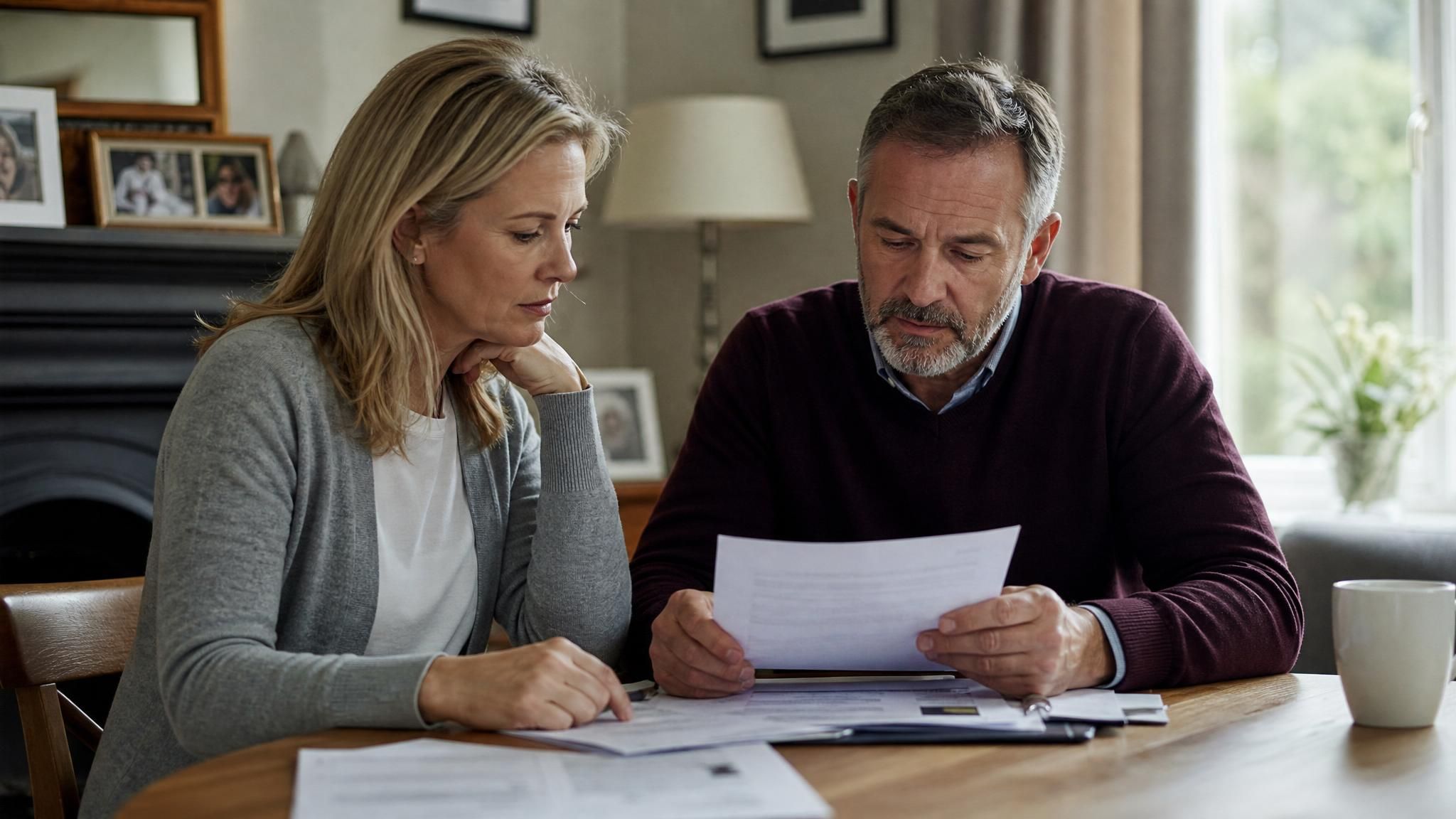
House in Probate Fast Sale
Selling a house in probate quickly requires understanding the legal complexities that govern the process. Probate involves the court-supervised handling of a deceased person’s estate, which can delay a property sale. To expedite this, ensure timely submission of relevant documents and adherence to legal obligations.
Expert Guidance for Selling Probate Property Fast

Understanding Probate Legalities
Navigating the legal landscape of probate is essential for a quick sale. This involves comprehending court procedures, documentation like the Grant of Probate, and adhering to estate law, ensuring compliance to expedite the sale process.

Executor Responsibilities Simplified
An executor plays a pivotal role in managing probate properties. From obtaining official permissions to paying debts and distributing assets, understanding these roles can streamline selling processes in probate.
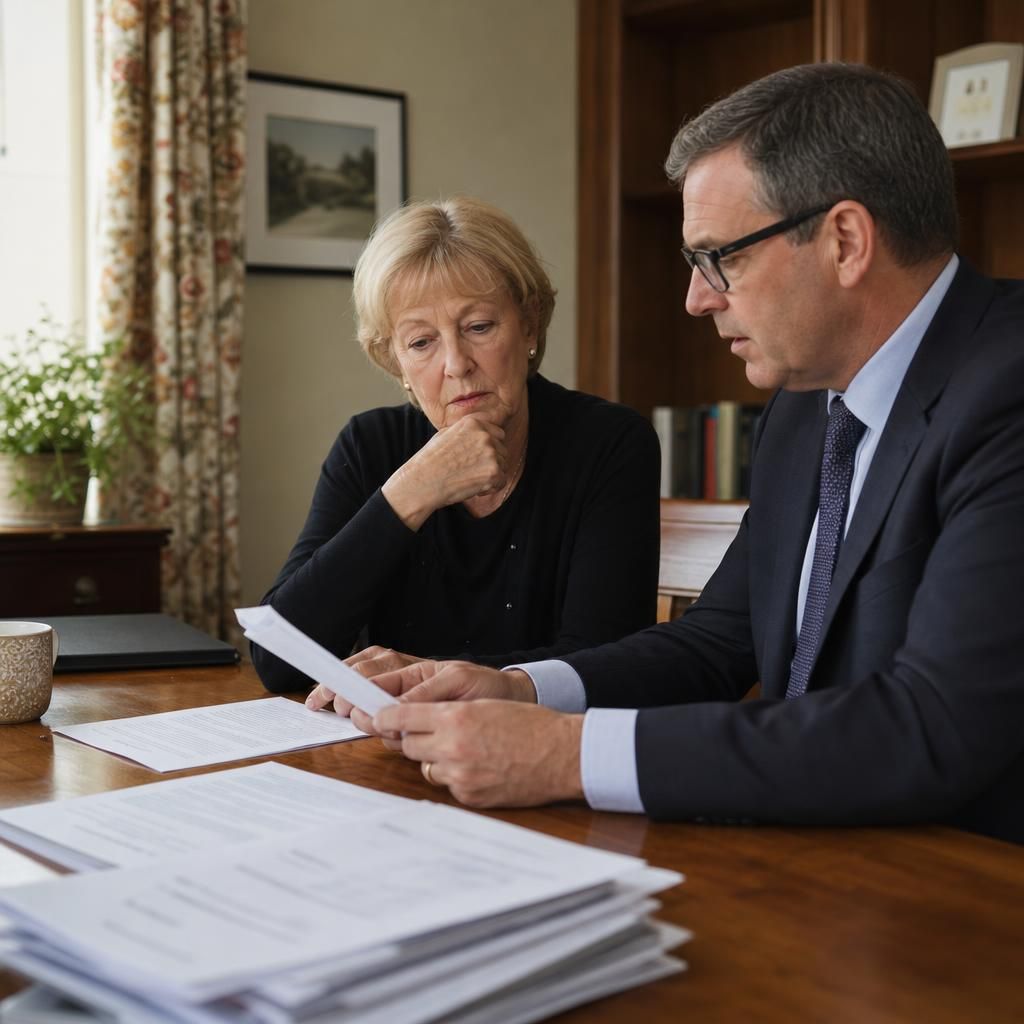
Accurate Property Valuation
Correctly valuing the property is crucial. Whether considering market trends or unique estate specifics, accurate valuation helps set realistic expectations and ensures legal requirements are met.

Efficient Document Submission
Timely submission of relevant documents can significantly reduce delays. Knowing which forms need immediate attention and ensuring proper filing is key to accelerating the probate sale process.

Managing Complex Estates
Estates with intricate legal or physical challenges require tactical management. By addressing liens, multiple heirs, or contested wills promptly, sellers can facilitate a smoother sale.

Addressing Outstanding Debts
Settling any outstanding debts linked to the estate is mandatory before a property sale. This ensures legal adherence, clears encumbrances, and quickens the transition process.

Understanding Probate Timeframes
Recognising potential timelines for probate can help set realistic expectations. Delays might arise from complex estates or unresponsive parties, but proactive management can lessen these.
Addressing Common Concerns When Selling a Probate Property
The process of selling a house in probate involves specific legal procedures essential for transferring ownership of property belonging to a deceased person’s estate. When a property is affected by probate, obtaining a Grant of Probate is crucial as it legally empowers the executor or administrator to manage and sell the estate. This document ensures that the deceased’s will is validated and permits the authorised party to address estate matters, including the sale of the property. Understanding the timelines and legal requirements can help mitigate potential delays.
Key considerations for a probate sale include ensuring accurate property valuations and settling any outstanding debts connected to the estate. It’s vital for sellers to maintain compliance with probate laws, which may dictate the appropriate handling of legal paperwork and agreements. By addressing these complexities promptly and effectively, sellers can navigate the probate process with fewer disruptions, ensuring a smoother transition and sale completion.
What is a Grant of Probate?
Understanding the legal authority granted by a Grant of Probate is essential when selling a probate property.
The Role of Grant of Probate in Property Transactions
A Grant of Probate is a legal document that empowers the executor or administrator of an estate to manage and sell the deceased person’s assets. It signifies that the will has been legally validated and that the estate can be distributed according to its terms. Without this document, the executor cannot proceed with property sales, making it a critical step in any probate transaction.
How Long Does the Probate Process Take?
The timeframe for completing the probate process can significantly impact the sale timeline of a property.
Factors Influencing the Probate Timeline
The duration of the probate process can vary depending on several factors, including the complexity of the estate, the accuracy of documentation, and the court’s schedule. Typically, probate can take anywhere from a few months to over a year. Delays can occur if there are disputes over the will, if documents are submitted late, or if additional legal matters need addressing. Understanding these timelines can help set realistic expectations for the property sale.
Valuation of Probate Property
Properly valuing a probate property is a crucial step in ensuring a fair and legal sale.
Conducting Accurate Property Valuations
Accurate valuation of the property is necessary to determine its market value and play a role in calculating any due inheritance tax. This can be performed by professional appraisers or estate agents familiar with probate property sales. Getting a precise valuation helps in setting a suitable asking price and reduces the risk of legal challenges during the process.
Addressing Outstanding Debts and Obligations
The estate’s financial obligations must be resolved before distributing assets or completing a sale.
Managing Estate Debts in Probate Sales
Any outstanding debts associated with the estate, such as mortgages, loans, or unpaid taxes, need to be settled before proceeding with the sale. The executor is responsible for ensuring these obligations are addressed using the estate’s assets. Failure to resolve these can delay the sale and potentially result in legal complications.
Legal Compliance and Documentation
Ensuring all legal paperwork complies with probate laws is necessary to avoid complications.
Documentation Required for Probate Compliance
Selling a probate property requires meticulous attention to legal documentation, including the will, Grant of Probate, and property title documents. All agreements and transactions must align with legal obligations to ensure a valid sale. Proper coordination with legal advisers can help streamline these requirements and avert potential issues.
Streamlining House Sale in Probate: Key Facts and Steps
Selling a probate house requires understanding specific legal procedures to ensure a seamless transaction. A Grant of Probate is essential, as it authorises executors to manage the deceased’s estate, including property sales. Success hinges on timely documentation and compliance with probate regulations.
Key considerations include:
- Obtaining accurate property valuations
- Resolving outstanding estate debts
- Ensuring legal paperwork aligns with probate laws
Address these factors to minimise delays and facilitate a smoother property sale.
Essential Legal Documents
Ensure all necessary legal documents, like the Grant of Probate, are prepared to validate and expedite the property sale.
Timely Grant of Probate
Acquiring the Grant of Probate promptly is crucial to start managing and selling the estate without delays.
Accurate Property Valuation
Obtain an accurate valuation of the property to determine its fair market value and set realistic expectations for the sale.
Settle Outstanding Debts
Address any outstanding debts connected to the estate to ensure a clear title and smooth sale process.
Compliance with Probate Law
Maintain strict compliance with probate laws to handle all legal paperwork and agreements correctly.
Understand Probate Timelines
Familiarise yourself with probate timelines to anticipate and mitigate potential delays in the sale process.
Seek Expert Guidance
Consult with legal experts or probate professionals to navigate complexities and streamline the sale.
Probate House Sale FAQs
What steps are involved in obtaining a Grant of Probate?
A Grant of Probate legally authorises executors to manage the deceased's estate, enabling property sales and estate settlement processes to proceed efficiently and in compliance with legal requirements.
How can I expedite the process of selling a probate property?
Engage a specialist probate solicitor to ensure accurate compliance with legal requirements, streamline document preparation, and reduce delays often associated with probate property transactions.
What legal documents are necessary for selling a house in probate?
Required documents typically include the Grant of Probate, death certificate, property deeds, and any relevant inheritance tax forms. Ensure all legal paperwork complies with probate regulations for a smooth property sale.
What challenges might arise when selling a house in probate?
Challenges include navigating complex legal procedures, potential delays from awaiting probate grants, resolving estate debts, and ensuring accurate property valuations, all requiring meticulous attention to detail for successful transactions.
What role does the executor play in selling a probate property?
Executors manage the probate process by obtaining legal authority to sell the deceased's property, settling debts, distributing assets, and ensuring compliance with probate laws to facilitate a smooth transaction.
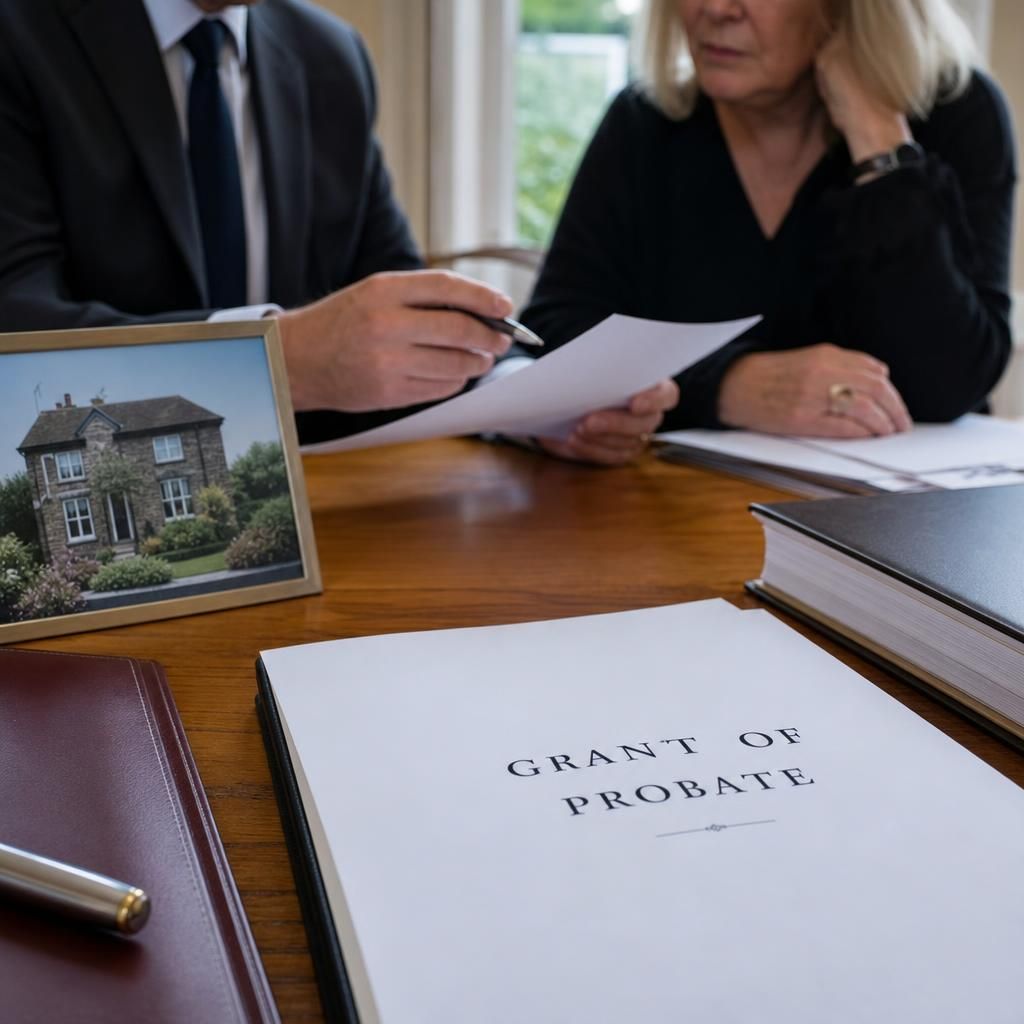
Understanding Probate: Quick House Sales Explained
Selling a house in probate involves navigating the legal formalities required when dealing with a deceased person’s estate. This process is initiated by obtaining a Grant of Probate, which legitimises the executor’s authority to manage and sell the property. Ensuring all legal paperwork aligns with probate laws is crucial to avoid complications and delays.
Understanding the nuances of probate sales is essential. This includes obtaining an accurate valuation of the property and settling any outstanding debts associated with the estate. These steps, done correctly, facilitate a smoother and quicker sale during the often lengthy probate process.
Another consideration is market knowledge. While probate sales can face legal hurdles, having insight into local property trends and understanding buyer expectations can enhance the chances of a successful and swift transaction. Being informed supports better decision-making throughout the probate sale journey.
Expert Guidance on Selling Probate Properties
What are the common challenges faced when selling a house in probate?
A Grant of Probate is a legal document that authorises executors to manage and sell a deceased person's estate, crucial for legally transferring ownership of probate property.
How does the probate process impact the timeline for selling a house?
The probate process often extends the timeline due to legal requirements like obtaining a Grant of Probate, addressing estate claims, and adhering to court deadlines, potentially delaying property sales.
What steps can be taken to expedite the sale of a probate property?
Ensure all probate paperwork is in order, acquire an accurate property valuation, resolve any estate debts, and consider selling to a cash buyer for a quicker transaction.
What are the legal responsibilities of an executor when selling a probate property?
Executors must manage the estate, ensure all probate documentation is compliant, administer financial matters, settle debts, and distribute assets to heirs while facilitating the property's legal sale process.
What are the tax implications when selling a house in probate?
Selling a house in probate may trigger Capital Gains Tax if the property's value has increased since inheritance. However, there's often an exemption for the period during estate administration.