
Sell My Probate Property Fast
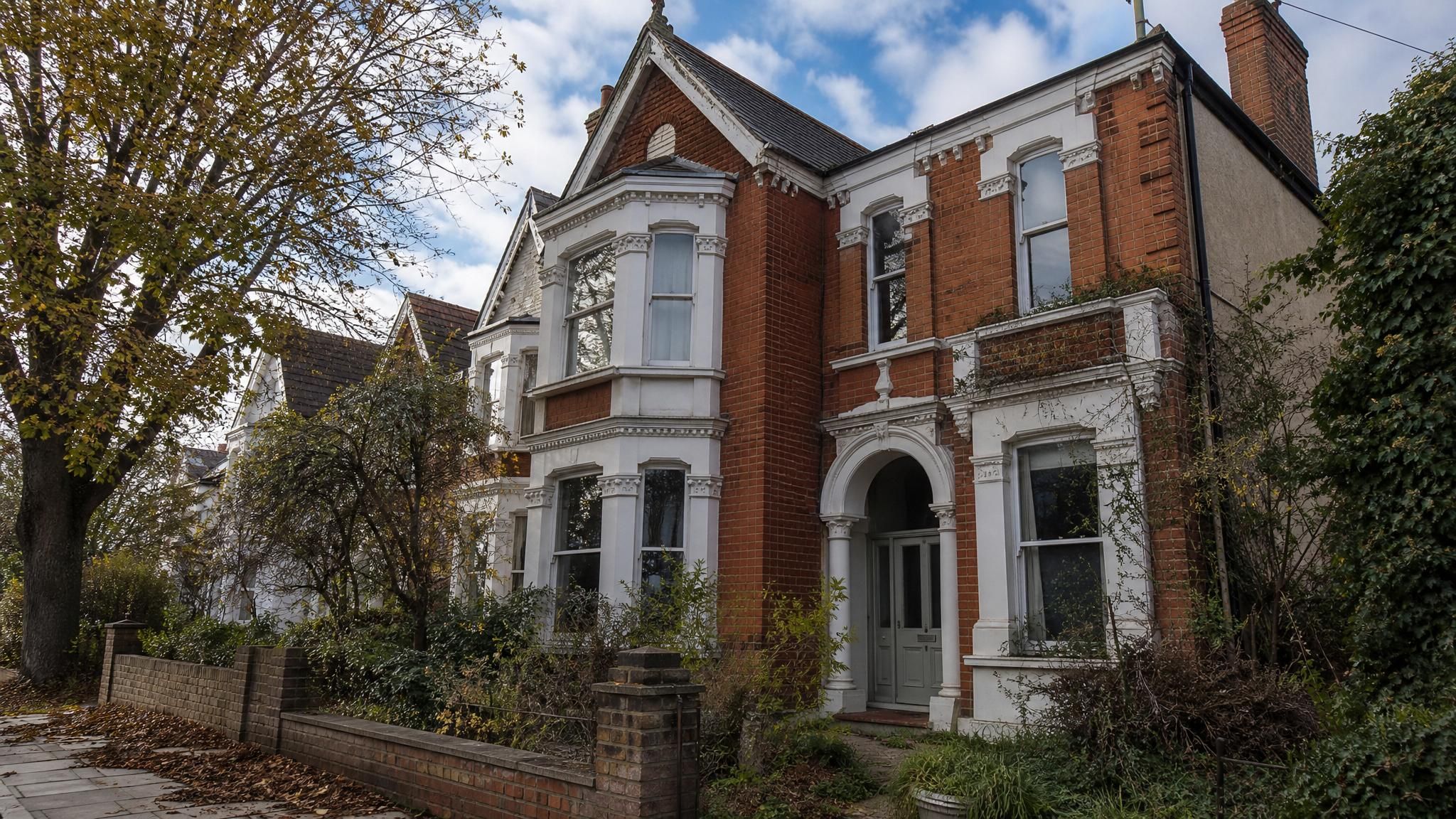
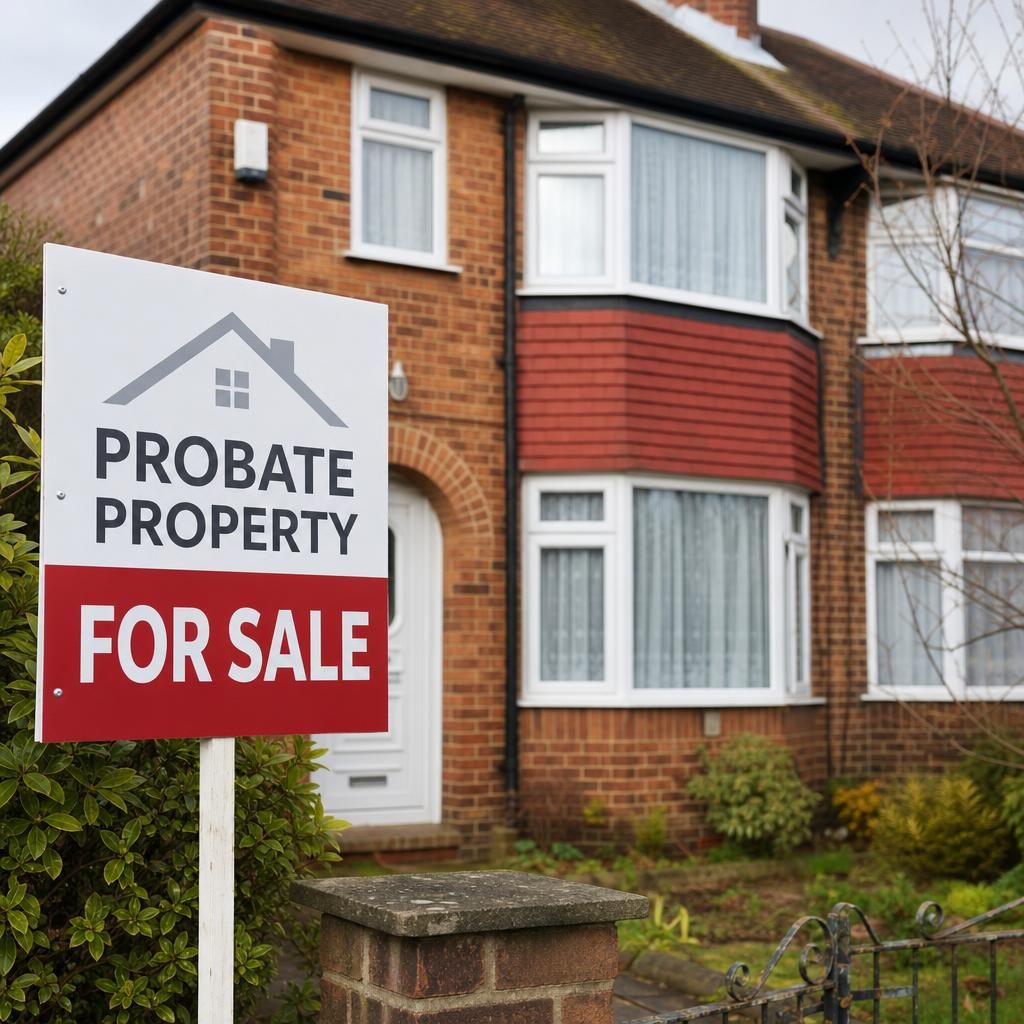
Probate property sale refers to the process of selling a home that’s part of a deceased person’s estate. Managing such sales often requires navigating legal and administrative procedures, ensuring all parties adhere to the probate laws. Selling a probate property can be complex due to unresolved legal issues, waiting periods for court approvals, and potential disputes among heirs. Understanding these intricacies is key to a swift and successful sale.
Expert Guidance for Navigating Probate Property Sales
Understanding Probate Processes
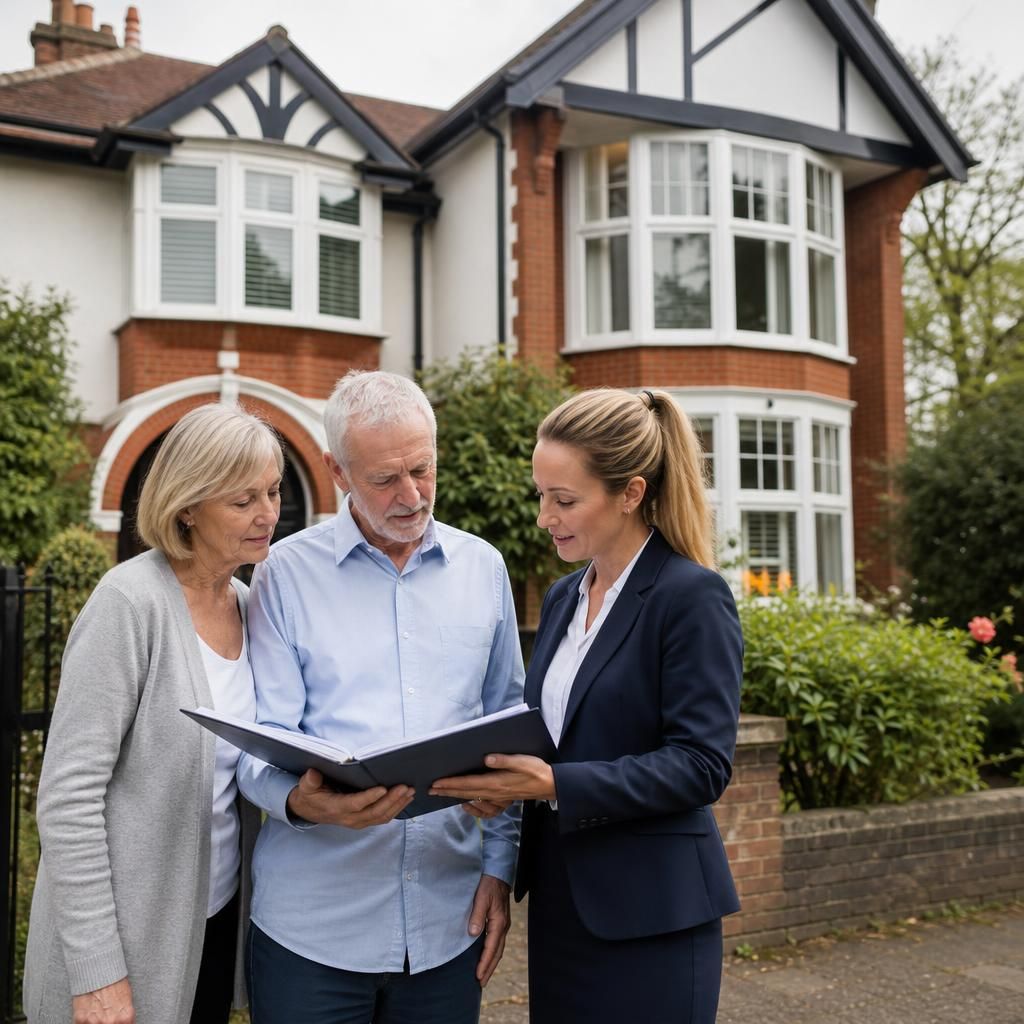
Navigating probate sales requires knowledge of specific legal requirements and procedures. Executors must secure a grant of probate to validate their authority over the deceased's estate before initiating any property sale.
Tackling Legal Complexities
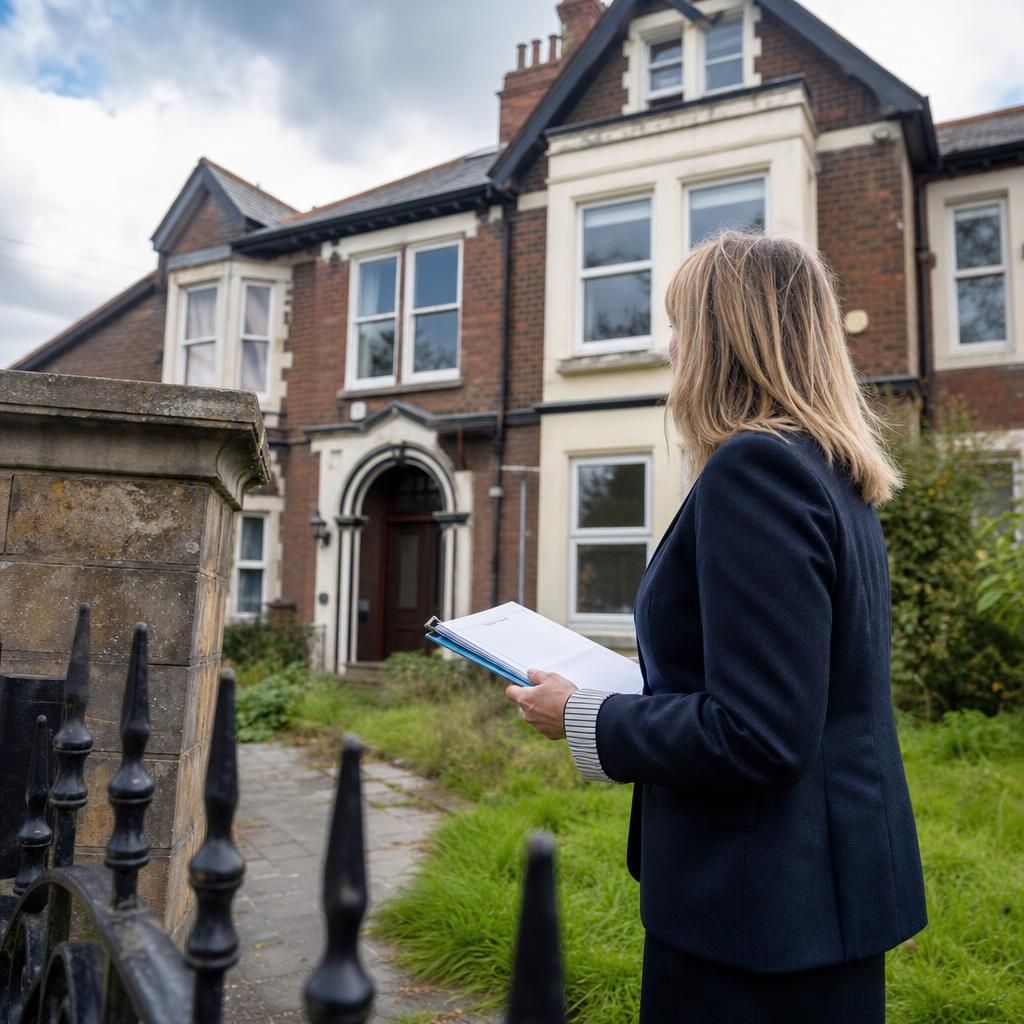
Probate property transactions often present legal challenges, including disputes over property title or conflicting claims among heirs. Addressing these complexities requires careful legal review and expertise to ensure compliance with probate laws.

Market Analysis for Probate Sales
Understanding the current real estate market conditions is crucial for setting realistic expectations and pricing strategies. Executors should assess factors such as local demand, property condition, and market trends to facilitate a successful sale.
Role and Responsibilities of Executors
Executors are responsible for managing the deceased’s estate, including settling outstanding debts and taxes before distributing assets. Their role is crucial in streamlining the probate process and ensuring legal obligations are fulfilled.
Handling Beneficiary Concerns
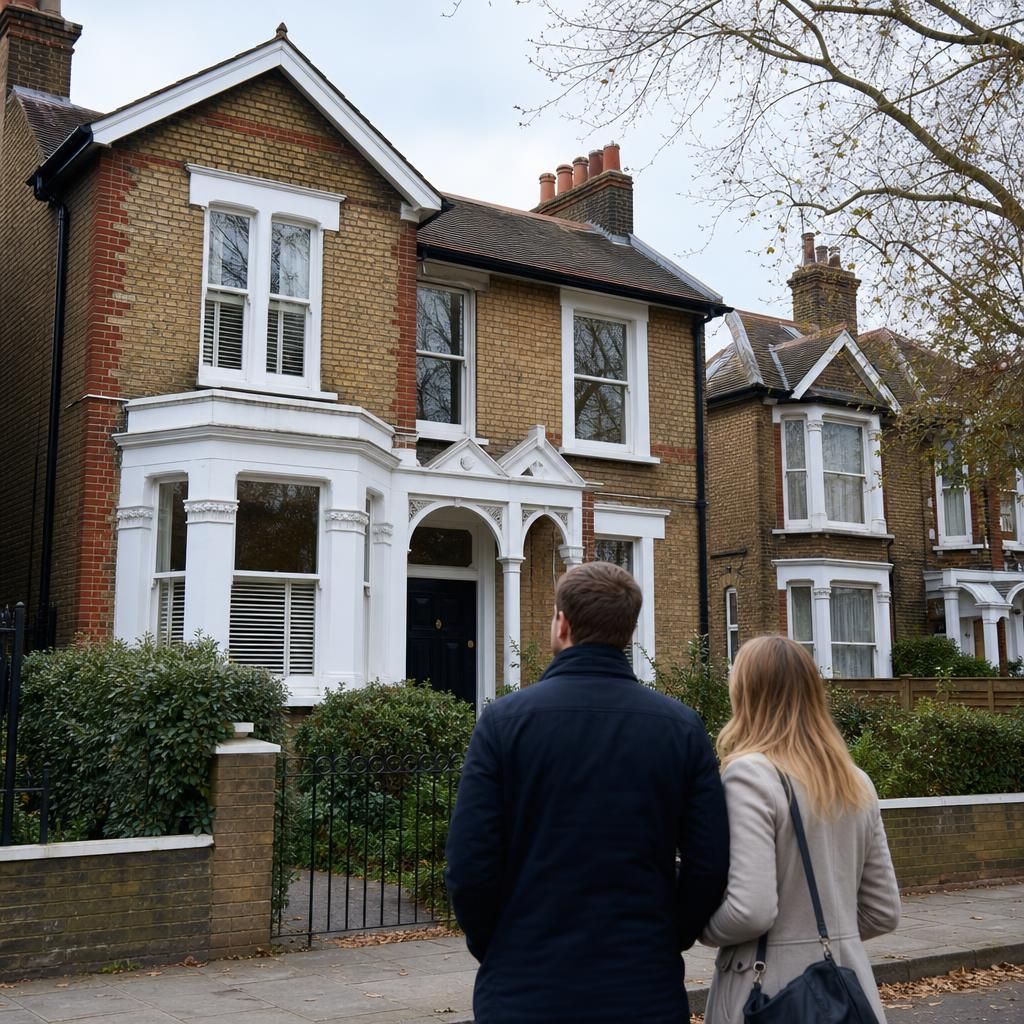
Effective communication with beneficiaries is essential to manage expectations and resolve potential disputes. Transparency in the sales process helps ensure all parties are informed and agree on key decisions regarding the estate.
Preparing Probate Property for Sale
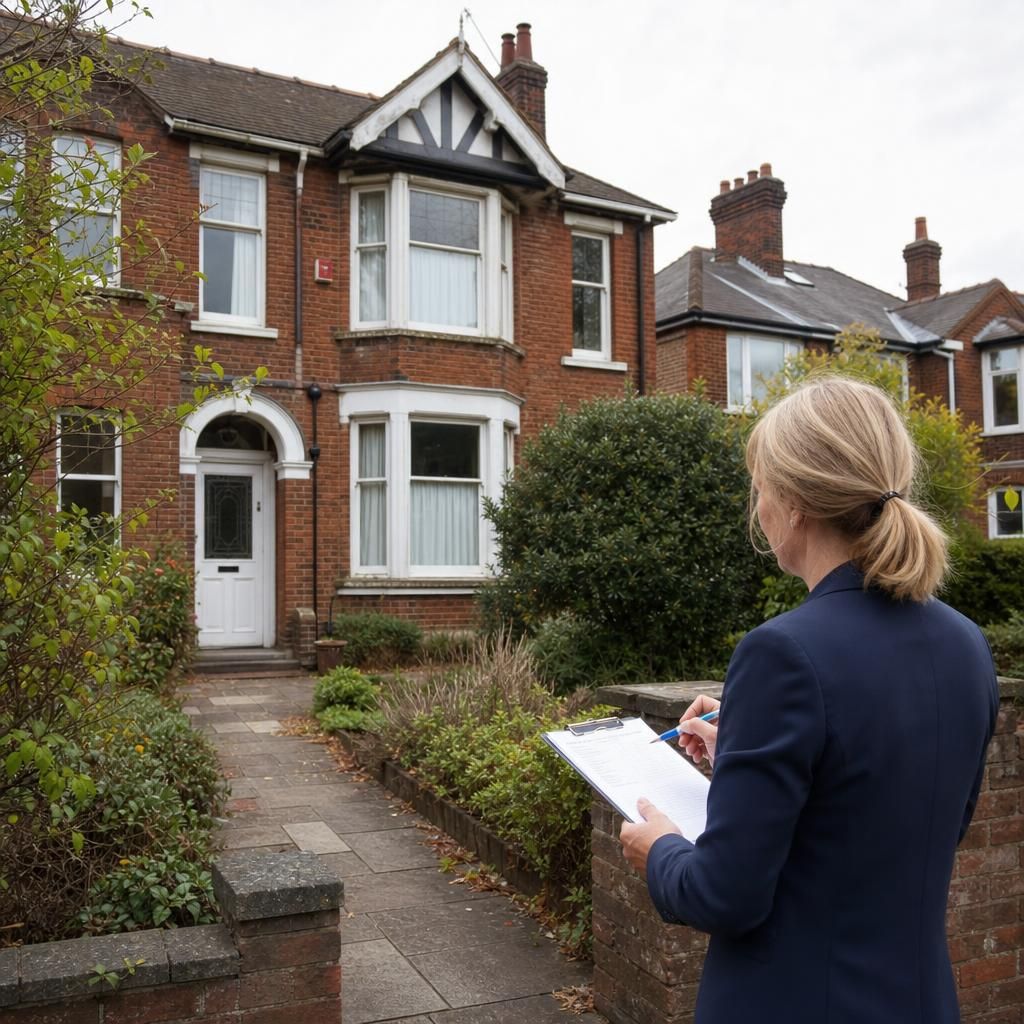
Enhancing a probate property's appeal through minor repairs and staging can attract potential buyers and expedite the sale. Executors should consider necessary improvements that increase marketability within budget constraints.
Understanding Probate Property Transactions
Probate property sales involve selling real estate that is part of a deceased person’s estate. This process can be complex, often requiring legal clearance through a grant of probate, which authorises executors to manage and sell the property. Obtaining this legal document is crucial as it legitimises the transaction and helps address potential disputes with heirs or creditors.
One of the main challenges in selling probate properties is navigating the legal intricacies and administrative requirements. Executors must ensure all debts and taxes associated with the estate are settled before distributing proceeds to beneficiaries. The property’s market condition and prevailing demand also influence the speed of sale, requiring careful consideration to achieve a favourable outcome.
To facilitate a successful probate property sale, staying informed about applicable regulations and market dynamics is essential. Executors may need to seek expert guidance or valuation services to appropriately price the property and expedite the sale. Understanding these elements can significantly reduce delays, ensuring a smoother and more efficient transaction process.
Key Insights into Probate Property Sales
Probate property sales involve the process of selling real estate that forms part of a deceased individual’s estate. This often begins once the executor of the estate obtains a grant of probate, a legal document providing the authority to manage and sell the estate’s assets. Executors must ensure that all sales comply with the relevant legal requirements, including resolving any outstanding debts and ensuring the equitable distribution of assets as per the will or local laws in the absence of a will. Understanding the legal framework and preparing necessary documents is crucial for a timely and smooth transaction.
Potential obstacles in probate property sales include legal disputes among heirs, delays in obtaining necessary documentation, and the condition of the property affecting marketability. Executors must often balance these challenges while navigating the real estate market, considering factors such as property valuation, competition, and current demand trends. It is advisable for executors to consult professional services for legal advice and property valuation to help ensure a fair market price is achieved, ultimately streamlining the transaction and fulfilling their responsibilities efficiently.
Understanding Probate and Its Role in Property Sales
Probate is a legal process that formally recognises a will and appoints an executor to manage the deceased’s estate, including any property. It serves as essential authorisation for the sale of property.
How Probate Impacts Property Sale Timing
The probate process is crucial in property sales as it determines how quickly a property can be sold. Executors must first obtain a grant of probate, which can vary in timeframes depending on the complexity of the estate and local jurisdictional procedures. This legal clearance is necessary to ensure the executor can legally manage and sell estate assets.
Legal Requirements for Selling Probate Property
Selling probate property involves adherence to specific legal requirements to ensure transactions are legitimate and beneficiaries’ rights are protected.
Essential Legal Documents for Executors
Executors need to gather several legal documents before selling a probate property. These typically include the grant of probate, property title deeds, and any relevant documentation relating to the deceased’s debts and tax obligations. Ensuring all paperwork is correctly prepared and submitted can prevent delays and potential legal disputes.
Strategies for Handling Probate Property Marketability
The condition and marketability of a probate property can significantly influence its sale success. Executors must evaluate these factors to ensure a favourable transaction.
Enhancing Property Appeal for a Faster Sale
To improve the marketability of a probate property, executors might consider basic repairs, decluttering, and staging the property to attract potential buyers. Understanding the local market trends and setting a competitive yet reasonable price can also expedite the sale process. Consulting with real estate professionals for valuation and marketing strategies is advisable.
Common Challenges in Probate Property Sales
Navigating the sale of probate properties can present several challenges, from legal disputes to delays in obtaining necessary permissions.
Addressing Disputes Among Heirs
One common challenge executors face is managing disputes among beneficiaries. Disagreements can arise over how assets are distributed or the timing of the sale. Mediating these disputes through clear communication and, if necessary, legal counsel is key to ensuring a smooth sales process without prolonged delays or legal complications.
Financial Considerations When Selling Probate Property
Financial factors play a crucial role in the sale of probate properties, affecting the overall distribution of the deceased’s estate.
Handling Estate Debts and Liabilities
Executors must address any outstanding debts or liabilities associated with the estate before distributing proceeds from the property sale. This includes settling mortgages, taxes, and any other financial obligations of the deceased. Clear record-keeping and accounting are essential to ensure all parties are fairly compensated, and legal obligations are met.
The Role of Professional Assistance in Probate Sales
Professional assistance can be invaluable in navigating the complexities of probate property sales.
Benefits of Legal and Real Estate Expertise
Engaging legal experts and real estate professionals can significantly ease the probate property sale process. Lawyers can assist in understanding and completing legal requirements, while real estate agents can help in accurately assessing the property’s value and handling the market dynamics. Their combined expertise ensures compliance with legal standards and maximises the potential for a successful sale.
Essential Questions to Consider Before Selling a Probate Property
What legal documents are necessary to begin the sale process of a probate property?
The grant of probate is essential before selling, as it legally authorises the executor to manage the deceased's estate and ensures all sales comply with legal requirements, preventing future disputes.
What are the potential legal challenges and how can they be addressed during a probate property sale?
Legal challenges often include disputes among heirs, unclear documentation, and unresolved debts. Address these by securing a grant of probate, consulting legal professionals, and ensuring all estate obligations are fulfilled.
What factors should be considered when determining the market value of a probate property?
Evaluate comparable properties, consider current market trends, account for any repair needs, and consult a property valuation expert to ensure an accurate market value assessment of the probate property.
How can property condition affect the speed and outcome of a probate property sale?
Property condition directly impacts sale speed; well-maintained homes attract more buyers and higher offers. Conversely, significant repairs or neglect may deter buyers, prolong market time, and reduce price.
What are the common timelines and steps involved in the probate property sale process?
The probate property sale process typically involves obtaining a grant of probate, valuation, marketing, negotiating offers, and completing legal paperwork to transfer ownership, usually spanning several months depending on complexities.
Steps to Selling Your Probate Property Efficiently
The process of selling a probate property involves several crucial steps to ensure it complies with legal requirements and efficiently distributes assets. Understanding these stages helps executors manage the sale smoothly and address potential challenges effectively.
Initial Consultation
Begin with a free, no-obligation consultation to assess your needs and explain the probate sale process. This step involves understanding your specific situation, the condition of the property, and any legal considerations that may affect the sale.
Property Valuation
Obtain a professional valuation of the property to determine its current market value. This ensures the property is priced accurately to appeal to potential buyers and provides a baseline for negotiation during the sale process.
Obtaining Grant of Probate
Secure a grant of probate to legally authorise the sale. This involves submitting the necessary paperwork to the probate court, which may take several weeks to process but is essential for legitimising the transaction.
Preparing the Property for Sale
Address any repairs or updates needed to make the property market-ready. Depending on the condition, this might include cleaning, minor renovations, or simply decluttering to improve its appeal.
Listing the Property
Once prepared, list the property on the appropriate platforms targeting cash buyers interested in probate sales. Highlight the key features and any unique selling points to attract serious interest.
Negotiating Offers
Review and negotiate offers from potential buyers. It is important to consider the offer terms, including payment speed and any contingencies, to ensure they align with your goals for a swift and smooth transaction.
Closing the Sale
Once an offer is accepted, proceed with the legal and financial steps to close the sale. Prepare and review the necessary documents with your solicitor to ensure compliance with probate laws and facilitate a seamless transfer of ownership.
Comprehensive Guide to Navigating Probate Property Sales
Probate property sales entail the transfer of real estate that was owned by a deceased individual. Typically, this sale is managed by the executor of the estate, who must first obtain a grant of probate. This legal authorisation permits the executor to administrate and sell the property, ensuring that the proceeds are used to settle any outstanding debts and are distributed according to the will or laws of intestacy.
The process can be complex, often involving potential disputes among heirs and legal intricacies that require detailed attention. Executors must be diligent in ensuring all procedures adhere to probate laws to avoid delays. Thorough documentation and a clear understanding of legal responsibilities are crucial to a smooth transaction.
Additionally, the marketability of the property may be affected by its condition or location, influencing the timeframe of the sale. Executors should consider obtaining a professional property valuation to establish a fair market price, which can facilitate a quicker sale and help in fulfilling their obligations efficiently and legally.
Frequently Asked Questions about Selling Probate Properties
What is the probate process when selling a property?
A grant of probate is a legal document allowing the executor to manage and distribute a deceased person's estate, including selling property, in accordance with the will or legal guidelines.
How do I obtain a grant of probate for selling a property?
To obtain a grant of probate, submit an application to the UK Probate Registry, including the death certificate, will copy, and relevant IHT forms. Await approval to manage the estate.
What are the responsibilities of an executor when selling probate property?
Executors must manage estate assets, settle debts, ensure legal compliance, and facilitate fair asset distribution as per the will or intestacy laws during probate property sales.
What challenges may arise in selling a probate property?
Navigating legal disputes among heirs, delays in probate approval, and property conditions are common challenges. Executors should ensure thorough documentation and consult legal advice to streamline the sale process.
How long does it typically take to sell a probate property?
Selling a probate property usually takes six months to a year, influenced by legal complexities, market conditions, and the efficiency of obtaining necessary probate documents.