

Buying a House in Probate
When buying a house in probate, it’s essential to understand the probate process, which involves legally transferring property ownership following the owner’s death. This often requires navigating complex legal procedures and paperwork. Understanding the timeline, required documentation, and involved parties can streamline the buying process significantly.
Expert Insights on Navigating Probate Purchases

Understanding Legal Obligations
Navigating the probate process involves fulfilling specific legal requirements, including obtaining a Grant of Probate or Letters of Administration. These documents give authority to deal with the deceased's estate, making it critical for buyers to ensure correct documentation to facilitate the purchase.

Key Stages in Probate Timeline
The probate process typically involves several stages, from the submission of necessary documents to court validation of the will. Knowing these stages helps buyers plan accordingly, avoiding potential delays and ensuring smooth transactions when purchasing probate properties.

Property Condition Evaluation
Evaluating the condition of a probate property is vital, especially if it has been unoccupied for an extended period. Assessing structural and maintenance needs helps determine the property's true value and required investments, aiding informed purchase decisions.

Leveraging Expert Knowledge
Engaging with professionals experienced in probate property acquisitions can streamline the buying process. Their expertise helps navigate legal complexities, ensures compliance, and provides insights into potential issues, offering peace of mind for buyers.

Importance of Accurate Documentation
Accurate documentation in probate property transactions is crucial. All paperwork, including death certificates and property deeds, must be meticulously completed to avoid legal hurdles and affirm rightful ownership, expediting the sale process.
Understanding Probate Property Purchases
Buying a house in probate refers to acquiring a property that is part of the probate process, where the assets of a deceased person are distributed according to their will or legal adjudication. This process can involve various legal requirements that must be addressed before a sale can be completed, such as obtaining a grant of probate or letters of administration.
Understanding the legal obligations is crucial as these can significantly affect the timeline and complexity of the purchase. A key consideration is ensuring all necessary documents are in order, such as the death certificate, to facilitate the smooth transfer of ownership. Engaging professionals knowledgeable in probate law can provide indispensable support.
Evaluating the property’s condition is essential, as probate properties may require maintenance or be sold as-is. This assessment helps in making an informed purchasing decision, factoring in potential repairs. It’s also beneficial to understand any tax implications, as inheriting or selling probate property can incur different taxes depending on local regulations.
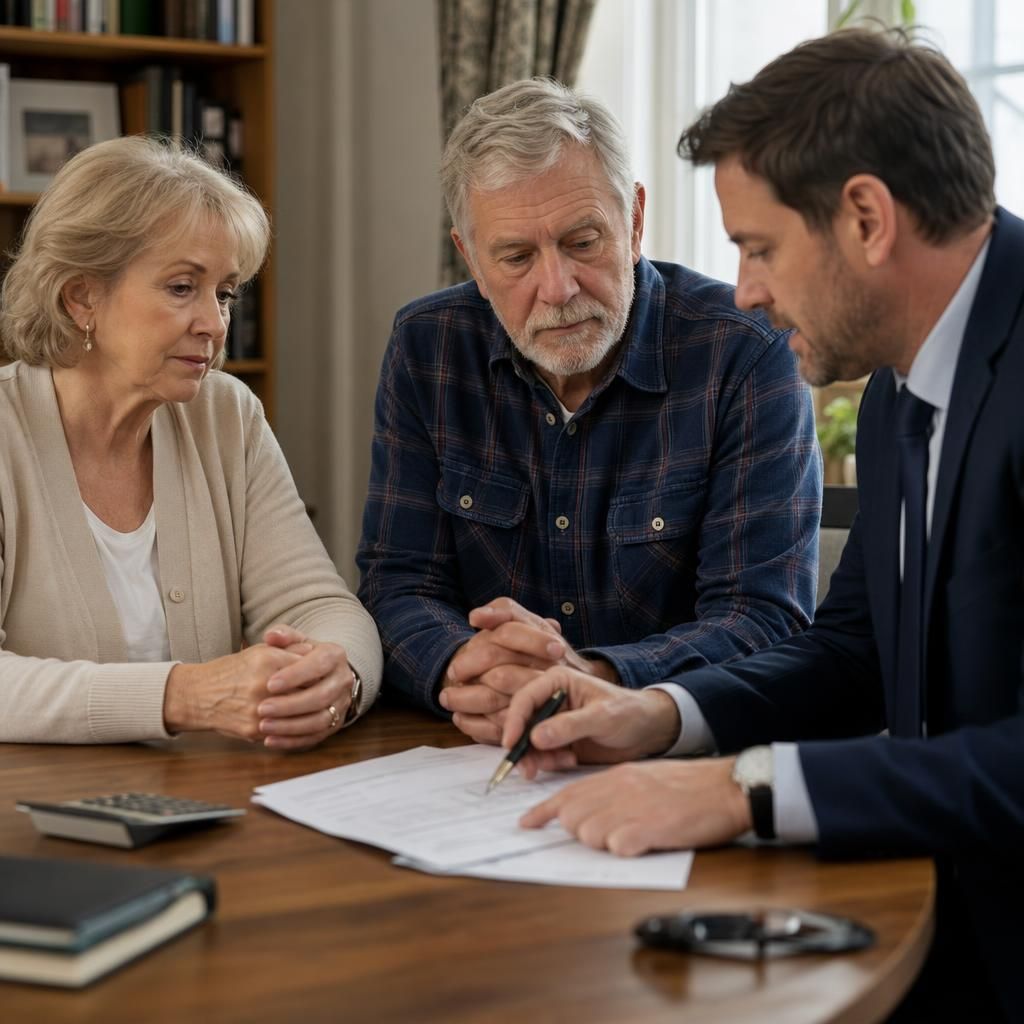
In-Depth Guide to Probate Property Purchases
Buying a house in probate involves acquiring property that is part of an estate being settled following the owner’s death. The probate process ensures that the deceased’s assets are distributed according to their will or, in the absence of a will, in accordance with statutory regulations. This often requires obtaining legal approvals such as a grant of probate or letters of administration, which facilitate the lawful transfer of property ownership. Buyers must be prepared to navigate potentially intricate legal groundwork and adhere to required timelines to avoid any procedural setbacks.
Key considerations when buying a house in probate include understanding the associated legal and financial obligations. Engaging solicitors or professionals versed in probate law can help ensure compliance with statutory requirements, alleviating the risk of unforeseen complications or expenses. Additionally, a thorough inspection of the property’s condition is recommended to identify necessary repairs or maintenance, as probate properties may often be sold ‘as-is’. Evaluating any tax implications, such as inheritance tax or capital gains tax, is also crucial to ensure the financial viability of the purchase. Fully comprehending these aspects can expedite the buying process and help make informed decisions.
Understanding the Probate Process
The probate process is critical in determining how a deceased person’s estate is managed and distributed.
What is Involved in the Probate Process?
Probate involves validating a will, if one exists, and appointing an executor or administrator to distribute the deceased’s assets. This process can include gathering and managing estate assets, paying debts and taxes, and eventually transferring property titles to the rightful heirs. Understanding the local legal requirements and documentation involved is vital, as each region may have specific probate regulations.
Legal Implications of Buying Probate Property
Navigating the legalities of purchasing a probate property can be complex, requiring careful attention to detail.
Key Legal Considerations
A key legal consideration when buying a probate property is ensuring the seller has the legal authority to sell, which typically involves obtaining a grant of probate or letters of administration. Buyers should also be aware of any existing claims or debts against the estate, as these might affect the transaction. Engaging a solicitor with probate experience can help mitigate potential legal pitfalls.
Assessing the Condition of Probate Properties
Many probate properties are sold ‘as-is,’ necessitating thorough assessments to understand their condition.
What to Check in a Probate Property
When inspecting a probate property, it’s important to evaluate structural integrity, the condition of essential systems (such as plumbing and electrical), and any visible repairs needed. This assessment can be crucial for budgeting potential renovation costs or deciding if the property meets your needs. Professional surveys or inspections can provide detailed insight into the property’s state.
Timeline for Buying Probate Properties
The timeline for purchasing a probate property can vary significantly depending on several factors.
Factors Affecting the Timeline
The duration of the probate process can be influenced by the estate’s complexity, the existence of a will, and the need to settle outstanding legal or financial obligations. While some transactions can be completed in a few months, others might take longer, especially if there are disputes or delays in obtaining legal documentation. Being aware of potential timeline extensions and planning accordingly can help manage expectations.
Financial Considerations in Probate Property Purchases
Understanding the financial implications is crucial when purchasing a probate property.
Costs and Financial Obligations
Aside from the property purchase price, buyers should anticipate costs related to legal fees, surveys, and any needed renovations or repairs. Additionally, there may be taxes such as inheritance tax or capital gains tax, depending on the circumstances. Comprehensive financial planning, possibly with advice from a financial advisor, can help manage and anticipate these costs effectively.
Crucial Questions to Consider Before Buying a Probate House
What legal documents are essential to secure before purchasing a probate property?
Obtain a grant of probate or letters of administration to legally transfer ownership and ensure compliance with regulations, minimising the risk of complications during the purchase process.
How can I determine the market value of a probate property before purchasing?
Conduct a professional appraisal and consult local property listings or estate agents to compare similar properties, factoring in location, condition, and recent sale prices for an accurate market valuation.
What financial considerations should be evaluated before purchasing a probate property?
Evaluate the true cost of the property, including legal fees, probate taxes, and necessary repairs, to ensure a financially sound investment decision.
What are the potential legal challenges when buying probate property?
Navigating probate property purchases may involve title disputes, multiple beneficiaries, or will contests, necessitating professional legal guidance for resolution and ensuring clear title transfer.
What inspection or survey should be conducted to assess a probate property's condition before purchase?
Conduct a comprehensive home survey to identify structural issues, maintenance needs, and compliance with building regulations, ensuring informed purchasing decisions regarding repairs or investments.
Step-by-Step Guide to Buying a House in Probate
Buying a house in probate involves navigating the legal process of acquiring a property from a deceased estate. Understanding the necessary steps, legal requirements, and potential challenges can streamline the purchase and reduce uncertainties.
Obtain a Grant of Probate or Letters of Administration
The first step in purchasing a probate property is securing the legal authority to deal with the deceased’s estate. This involves obtaining a grant of probate if there is a valid will, or letters of administration if there isn’t. These documents are necessary for the legal transfer of property ownership.
Conduct a Property Assessment
Once you have the legal authority, it is crucial to assess the condition of the property. This step helps identify any repairs or maintenance needs, as many probate properties may be sold ‘as-is’. An accurate evaluation ensures informed decision-making and budgeting for potential refurbishments.
Understand the Legal Requirements
Navigating the legal landscape is a critical aspect of buying a probate property. Familiarise yourself with the legal documents required and ensure compliance with probate law to avoid any delays. Engaging a solicitor with expertise in probate can help streamline this process.
Evaluate Tax Implications
Buying a probate property may involve various tax considerations such as inheritance tax or capital gains tax. Understanding these implications is essential to determining the full financial impact of the purchase. Consulting with a tax advisor can provide clarity and aid in financial planning.
Prepare for Potential Delays
The probate process can take time due to its complexity and legal requirements. Be prepared for potential delays in obtaining necessary approvals or documents. Patience and proactive management of each step can help mitigate uncertainties and keep the process moving forward.
Secure Financing and Plan for Expenses
While purchasing probate properties for cash is common, ensuring your finances are in order is vital. Assess the total cost, including purchase, repair, and any legal fees. Having a clear financial plan will support a smoother transaction and avoid unforeseen financial constraints.
Engage with Estate Executors or Administrators
Communicating effectively with the estate’s executors or administrators is crucial. As the decision-makers in the sale, maintaining open lines of communication can help expedite the process and address any concerns or questions promptly.
Understanding Probate Property Purchases
Buying a house in probate involves acquiring a property from an estate that is being distributed after the owner’s death. Typically, the process starts with obtaining a grant of probate or letters of administration, which legally permits the sale and ensures the deceased’s wishes are honoured. Understanding these legal foundations is essential to facilitate a smooth transaction.
Engaging professionals with expertise in probate law can help navigate complex legalities and paperwork, ensuring compliance with statutory obligations. This might include solicitors who can aid in verifying that all necessary documents, such as the death certificate, are in place, which is crucial for the seamless transfer of ownership.
Evaluating the condition of such properties is vital, as they are often sold ‘as-is’, requiring potential buyers to consider repair costs. Additionally, it’s important to review any potential tax liabilities associated with the purchase, such as inheritance tax, to ensure financial preparedness and the feasibility of the investment.

Frequently Asked Questions About Buying a House in Probate
What is the process for obtaining a grant of probate when purchasing a property in probate?
Obtaining a grant of probate is crucial as it confirms legal authority to manage the deceased's estate, facilitating property sale and ensuring the rightful distribution of assets during probate transactions.
How can a buyer evaluate the risks and benefits of purchasing a probate property?
Assess property condition, legal complexities, and financial obligations. Consider repair costs and potential taxes, like inheritance tax. Consulting legal experts ensures informed decisions, aligning with probate property requirements.
What legal documents are required to purchase a house in probate?
Essential documents include the grant of probate or letters of administration, the death certificate, property deeds, tax records, and any relevant consents or certificates to enable the sale and transfer of ownership.
What are common challenges faced when buying a house in probate?
Navigating probate can be complex due to legal paperwork, potential disagreements among heirs, and property condition issues. Understanding these challenges aids in smoother, faster transactions.
What financial preparations should a buyer make before purchasing a probate property?
Review financial readiness, ensuring sufficient funds for purchase, repair, and potential taxes. Consult a financial advisor to assess affordability and prepare for unforeseen expenses during the probate buying process.