
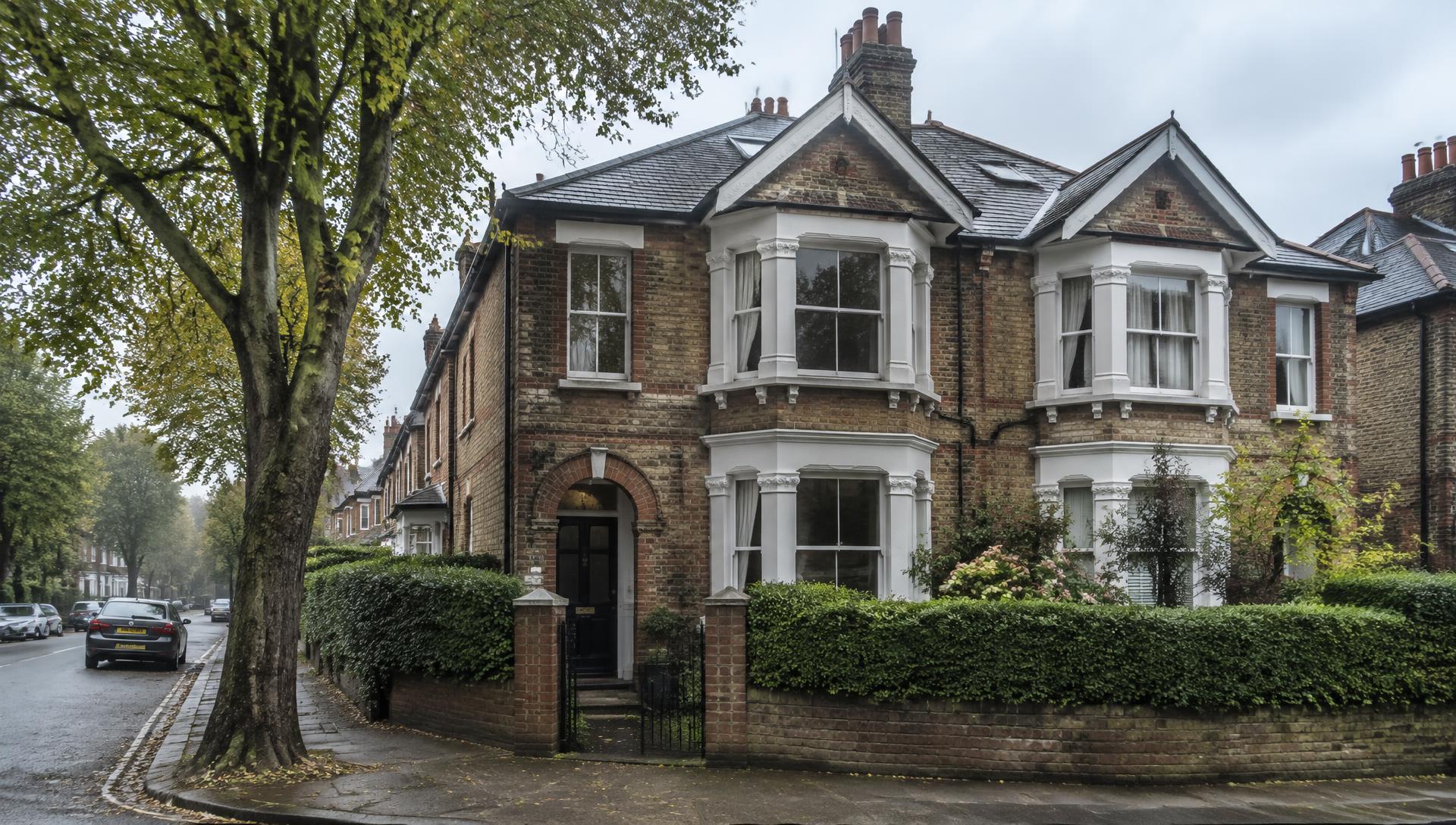
What inspection or survey should be conducted to assess a probate property's condition before purchase?
A Level 3 Building Survey is usually the most suitable inspection for assessing a probate property’s overall condition before purchase, particularly where the home is older, altered, neglected or visibly defective. It provides detailed findings on structural movement, damp, roof problems, services and significant repairs; arrange specialist inspections where the survey identifies concerns such as subsidence, timber decay, asbestos or drainage defects.
The appropriate inspection is generally an independent, comprehensive building survey commissioned before contracts are exchanged. For a probate purchase, the inspection should establish the property’s present condition, identify defects that may affect the price or safety, and distinguish urgent work from routine maintenance. The report should be based on a physical inspection rather than the information supplied in the estate agent’s particulars or probate paperwork.
Choose the survey level according to the property
A basic condition report is intended for relatively modern homes built using conventional materials and in apparently reasonable condition. It provides a concise overview but may not give enough detail for a neglected, substantially altered or unusual probate property. It should not be treated as a substitute for a detailed investigation where there are visible concerns or uncertainty about the building’s history.
A mid-level home survey gives more information about defects and maintenance requirements than a basic report. It can be suitable for some standard properties where no major concerns are apparent, but its scope and inspection limitations should be checked carefully before instruction.
A comprehensive building survey is the stronger option where the property requires detailed assessment. It normally provides a fuller description of construction, defects, deterioration, repair priorities and possible causes. Ask the surveyor to record areas that could not be inspected, explain the consequences of those restrictions and identify matters requiring further investigation.
Consider separate specialist inspections
A general survey is not an all-purpose test of every element. It may recommend additional reports where the surveyor cannot reach a firm conclusion. Depending on the findings, these could include:
- a structural engineer’s assessment of cracking, movement, altered walls, roof deflection or other load-bearing concerns;
- a timber and damp investigation where moisture readings, decay or infestation require more detailed analysis;
- an electrical inspection by a suitably qualified electrician;
- a gas and heating-system safety check by an appropriately registered engineer;
- a drainage inspection using a camera where there are signs of blockages, defective pipes or unexplained damp;
- an asbestos survey before refurbishment or removal of older building materials; and
- an inspection of boundaries, retaining walls, outbuildings or shared areas where these may create repair obligations.
These specialist inspections are usually separate from the main survey and may involve opening up or testing that a general surveyor is not authorised or insured to undertake. Confirm exactly what is included before paying for an additional report.
Pay attention to probate-specific limitations
A property in probate may have been vacant, partly cleared or poorly maintained. Furniture, stored possessions, carpets, wall coverings and vegetation can conceal defects. If access is restricted, ask the surveyor to list every area that was not visible, including loft spaces, roof coverings, cellars, outbuildings, service installations and drainage features.
Where the property is occupied, obtain permission for the surveyor to inspect all relevant rooms and external areas. Do not assume that a locked room or inaccessible loft is in satisfactory condition. If important areas remain unavailable, consider whether a follow-up inspection is needed before committing to the purchase.
The surveyor should also be told about any known alterations, extensions, fire damage, long vacancy, previous insurance claims or reports of movement. This information helps determine whether further investigation is appropriate. It is useful to compare the survey findings with the seller’s replies and the legal paperwork, but a survey does not replace conveyancing searches or checks on planning and building-regulations approval.
Review the report by priority
Read the report alongside a written schedule of likely works. Separate findings into immediate safety issues, defects that could worsen if ignored, essential work needed for occupation, and improvements that are desirable but non-essential. This prevents cosmetic recommendations from being treated as evidence of a serious defect.
Where the report uses cautious wording, ask the surveyor what evidence supports the concern, what further inspection is recommended and whether the issue affects use, insurance or future saleability. A surveyor may identify a possible problem without being able to establish its full extent without invasive testing.
Obtain quotations from appropriate contractors only after the defect has been adequately diagnosed. A broad allowance based solely on a survey comment may be unreliable, particularly where access, hidden construction or statutory approvals could affect the work. The findings can then inform negotiations, the purchase budget and the decision on whether the property remains suitable.
Check the surveyor and report terms
Use a suitably qualified, experienced building surveyor who is independent of the seller and able to inspect the type of property involved. Before instruction, check the survey’s scope, inspection standard, exclusions, complaints procedure and professional indemnity arrangements. Ask whether the surveyor can discuss the report after issue and whether any recommended specialist referral is independent.
Arrange the inspection early enough to allow questions, additional investigations and legal review before exchange of contracts. A survey records the condition observed on the inspection date; it is not a guarantee that hidden defects will be found or that the property will remain unchanged. For a probate purchase, its greatest value is providing documented evidence on which to assess risk rather than relying on appearance or assumptions about the seller’s knowledge.
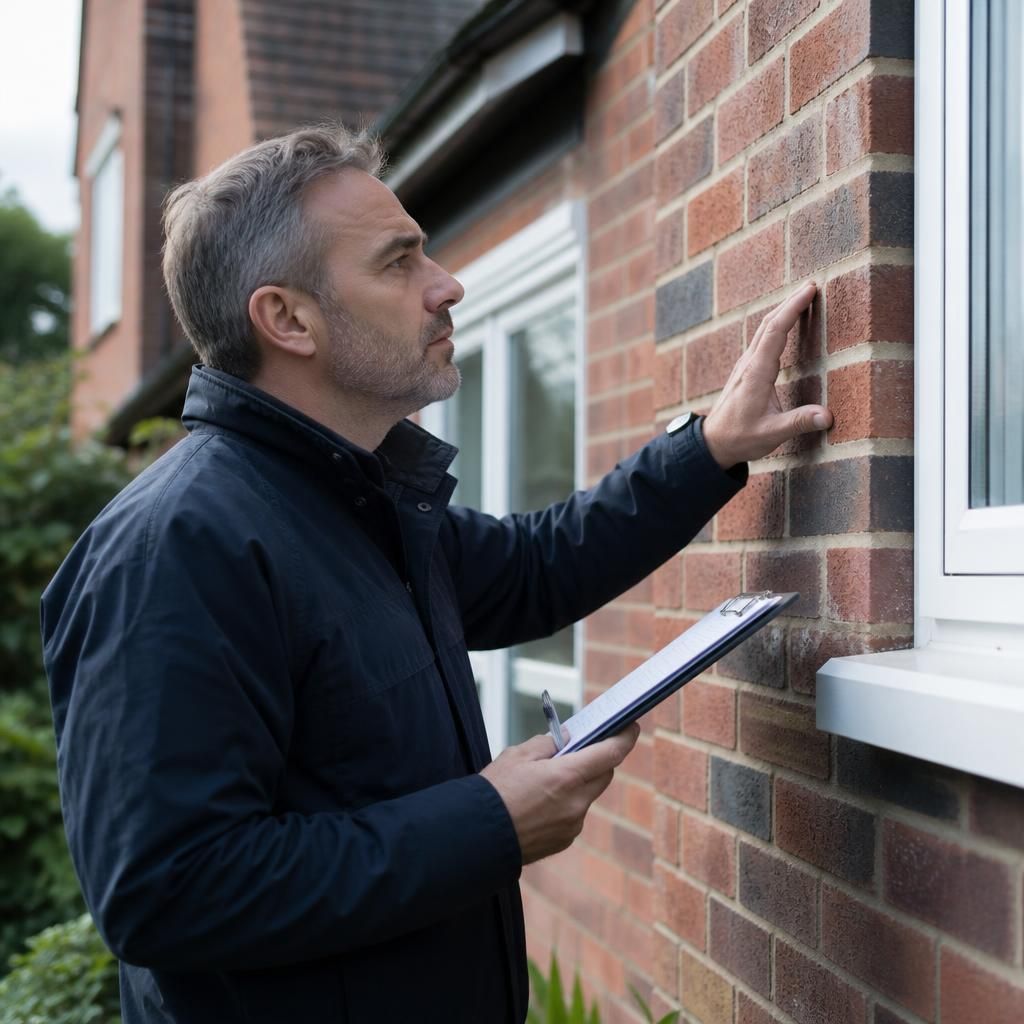
A building survey assesses the property’s physical condition; it does not confirm that the seller has authority to dispose of a probate asset, establish ownership, or verify planning and building-regulations compliance. Those matters require legal checks by the conveyancer handling the purchase.
Use the survey report as technical evidence when deciding whether the property’s condition justifies the proposed price and repair budget. Keep its findings separate from the legal review so that a sound-looking building is not mistaken for a transaction with no probate or title risks.
Discuss your probate property's condition before deciding
If a probate property’s survey has identified repairs or uncertainties, contact buyhousesfast.co.uk to discuss the findings and your circumstances. The report can help provide a clear basis for explaining the property’s condition when exploring a cash sale.