

Find Estate Administration Solicitors
Estate administration solicitors are legal professionals specialising in managing and distributing a deceased person’s estate according to their will or, if there’s no will, the laws of intestacy. They ensure compliance with legal requirements, handle probate processes, and address any disputes. Key considerations include understanding legal obligations, determining estate values, addressing tax liabilities, and ensuring beneficiaries receive their entitlements. It’s crucial to choose an experienced solicitor to navigate complex estates efficiently, providing peace of mind during sensitive times.
Expert Estate Administration Insight

Comprehensive Estate Evaluation
A thorough estate evaluation is fundamental in estate administration. Solicitors meticulously assess the deceased's assets and liabilities to determine the estate's net value. This step involves scrutinising financial statements, identifying property values, and evaluating debts, forming the baseline for subsequent actions in inheritance distribution.

Legal Document Execution
Executing the will or managing intestate estates demands precision. Estate administration solicitors ensure all legal documents are correctly processed to facilitate asset distribution. Their role includes drafting deeds of variation, applying for grants of representation, and coordinating with necessary parties to ensure a seamless administration.
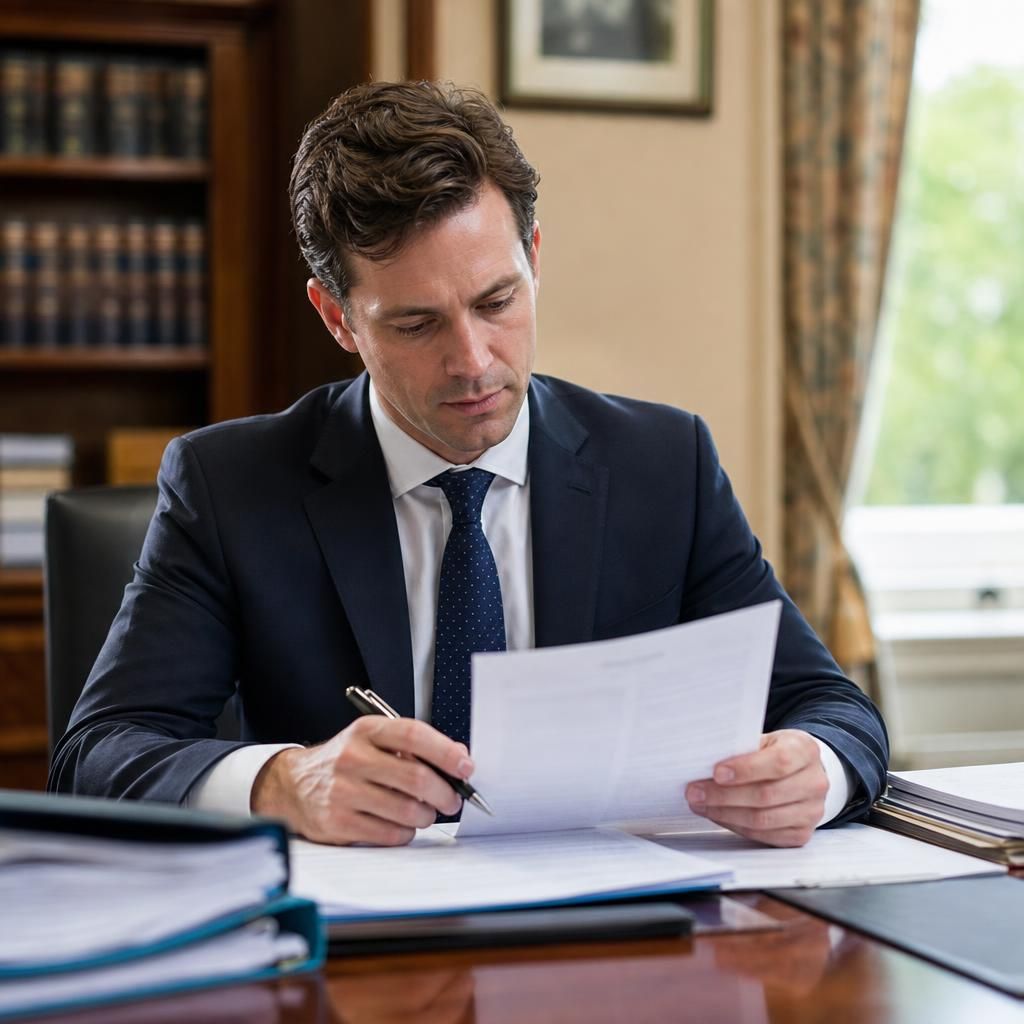
Tax Liability Management
Navigating tax obligations requires expertise in estate laws. Solicitors adeptly handle inheritance tax issues, ensuring compliance with HMRC guidelines. Effective management of tax liabilities can significantly impact the residual inheritance for beneficiaries, making experienced legal guidance invaluable.

Expert Dispute Resolution
Disputes among beneficiaries or with third parties are common in estate administration. Solicitors skilled in dispute resolution employ mediation techniques and legal frameworks to resolve conflicts efficiently, prioritising amicable settlements while safeguarding the estate's integrity.

Complex Estate Guidance
Complex estates, often featuring overseas properties or intricate trust arrangements, require specialised knowledge. Solicitors provide tailored solutions to address challenges unique to these situations, ensuring compliance and facilitating smooth transitions for all involved.

Probate Administration
Probate is a critical component, enabling executors to manage and distribute an estate. Solicitors assist in obtaining the Grant of Probate or Letters of Administration, navigating the procedural complexities to ensure estates are settled in accordance with the law.
Understanding Estate Administration Services
Estate administration solicitors are professionals dedicated to managing the legal aspects following someone’s death. Their primary role is to facilitate the fair and lawful distribution of an estate according to the will or intestacy rules. They engage in verifying the deceased’s will, assessing asset values, and ensuring tax obligations are met. The solicitor’s expertise ensures a smooth process while complying with all legal requirements.
Understanding the diversity of estate administration services is key. These services can range from straightforward will executions to handling complex estates with various assets and liabilities. Solicitors experienced in diverse property portfolios or dealing with complex family structures can provide tailored solutions that address specific legal needs effectively.
Choosing the right estate administration solicitor involves considering their experience and knowledge in probate law. An adept solicitor will help navigate legal intricacies, potentially preventing disputes or misunderstandings. This choice ensures a comprehensive approach to estate management, providing clarity and reducing emotional strain during the estate settlement process.

In-Depth Guide to Estate Administration Solicitors
Estate administration solicitors are specialised legal professionals dedicated to handling the distribution and management of a deceased individual’s estate. Their primary duties involve verifying the validity of wills, if present, or ensuring compliance with intestacy rules when no will exists. These solicitors are responsible for assessing estate assets, settling debts and taxes, and facilitating the rightful distribution of the remaining estate to beneficiaries. Entrusting these tasks to an experienced solicitor ensures legal compliance and can help avoid potential disputes or delays during a sensitive time.
Choosing the right estate administration solicitor involves considering their expertise and familiarity with probate law. Experienced solicitors can efficiently navigate complex estate structures and provide solutions that cater to specific situations, such as multiple beneficiaries or intricate asset combinations. By engaging a solicitor knowledgeable in these legal intricacies, individuals can experience a smoother estate settlement process, minimizing both potential legal issues and emotional strain for those involved.
Why Choose an Estate Administration Solicitor?
Opting for an estate administration solicitor ensures proper handling of all legal procedures involved in estate management.
Benefits of Hiring a Solicitor
Estate administration solicitors provide invaluable expertise in navigating the legal complexities of managing a deceased person’s estate. They ensure adherence to legal requirements, potentially saving time and reducing stress for the family. A solicitor’s involvement can also minimise the likelihood of errors and disputes that might otherwise arise if the process is handled by someone without the necessary legal knowledge.
Understanding Probate and Estate Administration
Probate is a crucial component of estate administration that requires specific legal processes.
The Probate Process Explained
Probate is the legal process of validating a deceased person’s will, or establishing the heirs if there is no will, and authorising the executor to distribute the estate. It involves identifying and cataloguing the deceased’s assets, paying debts and taxes, and distributing the remaining estate as specified by the will. An estate administration solicitor guides executors through this multi-step process efficiently, ensuring all legal requirements are meticulously followed.
Tax Implications in Estate Administration
Handling tax obligations is a significant aspect of estate administration.
Managing Inheritance and Estate Taxes
Estate administration involves resolving any inheritance tax liabilities and ensuring all necessary tax returns are filed correctly. An estate administration solicitor brings expertise in understanding and calculating these taxes, which vary based on the value and structure of the estate. They ensure timely tax compliance, preventing potential penalties and facilitating a smoother settlement process.
Common Challenges in Estate Administration
Administering an estate often presents challenges that need careful legal navigation.
Addressing Potential Legal Hurdles
Challenges in estate administration can include will disputes, identifying all estate assets, and handling estates without a will. An experienced solicitor helps to address such issues by providing legal guidance, mediating in disputes, and ensuring comprehensive asset assessment and distribution. Their expertise is crucial in mitigating risks associated with contentious or complex estates.
Choosing the Right Solicitor for Your Needs
It is important to select a solicitor with the right expertise and experience for estate administration.
Factors to Consider When Selecting a Solicitor
When choosing an estate administration solicitor, consider their experience in probate law, their familiarity with estates similar to yours, and their ability to handle potential disputes. It is beneficial to look for solicitors who offer transparent fee structures and have a proven track record of managing estates efficiently. Personal recommendations and independent reviews can also offer insights into their reliability and professionalism.
Role of Executors in Estate Administration
Understanding the role of executors is vital for effective estate administration.
Executor Responsibilities and Duties
Executors are responsible for administering the deceased’s estate in accordance with the will or intestacy laws. Their duties include collecting assets, paying debts, and distributing the remainder of the estate to the beneficiaries. An estate administration solicitor supports executors by providing legal advice and assistance throughout the process, ensuring compliance with all legal obligations and helping to avoid potential liabilities associated with executorship.
Key Questions to Ask When Choosing an Estate Administration Solicitor
What specific experience do you have with estates similar to mine?
Experienced solicitors offer guidance on probate law, handle asset valuations, ensure compliance with legal requirements, and resolve disputes efficiently, providing peace of mind during the estate management process.
How do you handle potential tax implications during the estate administration process?
Experienced solicitors evaluate potential tax liabilities, implement mitigation strategies, and ensure compliance with tax regulations, helping safeguard estate value and facilitate efficient distribution to beneficiaries.
What is your approach to handling disputes among beneficiaries during the estate administration process?
Solicitors mediate disputes by facilitating open communication, balancing each beneficiary's interests with legal obligations to aid resolution and ensure fair estate distribution while adhering to the will or intestacy laws.
How do you ensure clear communication throughout the estate administration process?
Regular updates and transparent discussions ensure all parties are informed about progress, decisions, and potential issues, facilitating a collaborative environment and reducing misunderstandings during estate administration.
What potential challenges could arise during the estate administration process and how do you address them?
Complex family dynamics, unclear wills, or international assets can complicate administration. Solicitors employ targeted strategies to resolve these efficiently, ensuring compliance and safeguarding beneficiaries' interests throughout the process.
Understanding the Estate Administration Process
The estate administration process involves specific steps to ensure the legal and orderly distribution of a deceased person’s assets. Understanding this process can help reduce uncertainty and facilitate a smooth transition during estate settlement.
Initial Consultation with Solicitors
The estate administration process begins with an initial consultation with your solicitor. During this meeting, the solicitor will assess the estate's complexity and provide guidance on your specific situation. They will also outline their services, fees, and the documents needed to proceed, ensuring you are fully informed before making any commitments.
Compilation of Necessary Documentation
Gathering all necessary documents is a critical step. This includes the deceased's will, death certificate, and financial statements. The solicitor will help identify and collect any additional documents required to establish the full scope of the estate, ensuring that all assets and liabilities are accounted for accurately.
Valuation of the Estate
Solicitors conduct a detailed valuation of the deceased's estate, involving both assets and liabilities. This may include property valuations, financial accounts, and personal possessions. Accurate valuation is vital for calculating any potential inheritance tax liabilities and is an integral part of the administration process.
Applying for Probate or Letters of Administration
If a valid will exists, solicitors will apply for a grant of probate, giving legal authority to act on the will's instructions. If there is no will, they will seek letters of administration to handle the estate under intestacy rules. This legal step is essential for any subsequent distribution of the estate.
Settling Outstanding Debts and Taxes
Before distributing the estate, it's necessary to settle any outstanding debts and taxes. Solicitors ensure all creditors are identified and paid, and any due taxes are calculated and settled in compliance with UK law, preventing future claims against the estate.
Distribution of the Estate to Beneficiaries
Following the settlement of debts and taxes, solicitors manage the distribution of remaining estate assets to the rightful beneficiaries. This process involves careful adherence to the will's terms or intestacy rules, ensuring that all parties receive their entitlements promptly and legally.
Final Accounts and Estate Close
The last step involves preparing final accounts which detail all transactions during the administration. Solicitors provide these accounts to all relevant parties for approval. Once agreed upon, the estate can be officially closed, marking the end of the administration process.

Expert Guidance on Choosing Estate Administration Solicitors
Estate administration solicitors are specialised legal professionals who manage the distribution of a deceased person’s estate in accordance with their will or the laws of intestacy. They play a crucial role in verifying the valid execution of a will, accurately valuing assets, and settling any outstanding debts and taxes. Their expertise ensures that the estate is distributed correctly, compliant with legal requirements, and that beneficiaries receive their rightful entitlements.
Choosing a competent solicitor for estate administration involves evaluating their experience in probate law and familiarity with handling estates of varying complexities. This expertise is vital for efficiently managing estates that include diverse asset portfolios or intricate family dynamics. By selecting a solicitor with the appropriate skills, estate-related risks are mitigated, helping to avoid disputes or delays.
In practical terms, engaging with these professionals can offer peace of mind as they navigate the legal processes, relieving clients from the burden of complex legal jargon and potential bureaucratic hurdles. Their guidance through the probate and estate administration intricacies allows a smoother and more efficient settlement process, safeguarding the interests of all parties involved.
Frequently Asked Questions About Estate Administration Solicitors
What qualifications should an estate administration solicitor have?
Estate administration solicitors handle the legal distribution of a deceased person's assets, ensuring compliance with wills or intestacy laws. They manage asset valuation, debt settlement, and beneficiary entitlements.
How do estate administration solicitors assist with probate?
They facilitate probate by managing the legal processes, including verifying wills, valuing estates, settling debts, and ensuring compliance with succession laws, ensuring a lawful and timely distribution.
What should I consider when choosing an estate administration solicitor?
Assess their experience in probate law, reputation, understanding of complex estates, and client reviews. Ensure transparent fee structures and personalised approaches to align with your estate's needs.
What are the typical costs associated with hiring an estate administration solicitor?
Costs depend on the solicitor's hourly rate, estate complexity, and required tasks, including probate application, asset distribution, and tax handling. Some firms offer fixed fees for straightforward cases.
How can an estate administration solicitor help in resolving disputes among beneficiaries?
An estate administration solicitor mediates disputes by interpreting the will, clarifying beneficiaries' rights, ensuring fair distribution, and offering legal advice to prevent contention and maintain family harmony.