

What are the specific coverage exclusions commonly found in vacant property insurance for probate homes?
Vacant property insurance for probate homes commonly excludes or restricts cover for extended unoccupied periods, unreported changes in occupancy, missed inspection requirements, poor security, inadequate maintenance, and damage caused by escape of water, frost, damp or infestation. Policies may also limit cover for vandalism, theft, malicious damage and liability unless specified protective measures and regular property checks are maintained, so the policy wording should be reviewed before cover begins.
Beyond restrictions linked to vacancy and property upkeep, vacant property insurance for probate homes commonly excludes losses arising from pre-existing damage, gradual deterioration, deliberate acts, defective work and changes in the property’s legal or physical use. The exact exclusions vary, so the policy schedule, endorsements and definitions should be read together rather than relying on the policy name alone.
Pre-existing damage and gradual deterioration
Most policies are designed to cover unforeseen insured events, not damage that was already present when the policy began. This can affect a probate home where the property has been empty for some time before insurance is arranged. Cracks, roof defects, damp staining, timber decay, subsidence movement or damaged services may be excluded if they existed, or showed signs, before the start date.
Insurers may also exclude deterioration that develops progressively rather than through a single sudden event. Examples include corrosion, rot, settlement that occurs gradually, blocked or defective drainage, and damage caused by long-term neglect. A later insured incident may not be covered if the insurer considers that the underlying condition caused or materially contributed to the loss.
Unapproved building work and defective workmanship
Damage caused by poor workmanship, unsuitable materials or a construction defect is often excluded. This may apply to an extension, roof repair, conversion, electrical installation or plumbing alteration completed before the policy began. The resulting damage may also be restricted where the work was incomplete, lacked the required consent or breached building regulations.
Insurance is not normally a substitute for a contractor’s warranty, a structural guarantee or the cost of correcting defective work. If the estate intends to carry out repairs or alterations while the property is vacant, the insurer may require advance notification and separate cover for works. Failing to disclose the project can affect a claim, particularly where the work changes the risk.
Deliberate, unlawful or avoidable damage
Policies generally exclude damage caused deliberately by the policyholder, an executor, an owner or someone acting with their permission. Loss connected with criminal activity, unlawful occupation or the use of the premises for an illegal purpose may also fall outside cover. An insurer can investigate who had access to the property and whether the person responsible was acting on behalf of the estate.
Some policies restrict claims where the insured has knowingly allowed a material hazard to continue. This is different from an exclusion for ordinary maintenance: it concerns conduct or circumstances that substantially increase the risk and are not disclosed to the insurer.
Unrecorded changes in ownership or use
A probate property may pass between the deceased’s estate, personal representatives, beneficiaries and a purchaser. The policy can exclude or limit cover if the person arranging insurance does not have the necessary insurable interest, or if ownership changes without notification. Cover may also be affected if the home becomes occupied, rented, used for business, used for storage or made available to contractors without the insurer’s agreement.
The person named on the policy should therefore match the legal position as far as the insurer requires. Executors should disclose relevant facts about the estate, intended occupation and any pending sale, rather than assuming that a standard household policy automatically follows the property.
Contents, valuables and removal of items
Vacant property policies often provide narrower contents cover than ordinary home insurance. Unlisted valuables, cash, documents, jewellery, artwork and portable items may be excluded or subject to separate limits. Items removed from the house may not remain insured away from the premises, while property left in sheds, garages or outbuildings may have different terms.
Fixtures and contents should be distinguished carefully. Items belonging to the estate may need to be declared, especially where the property is being cleared before sale. The policy may not cover the cost of removing rubbish, disposing of unwanted contents or restoring items that were already in poor condition.
Losses that are indirect or outside the insured event
Insurance commonly excludes financial consequences that do not amount to direct physical damage covered by the policy. These can include loss of a prospective sale, reduction in market value, missed rental income where rent cover was not selected, contractual penalties and costs caused by delay. Some policies offer limited alternative accommodation or loss-of-rent protection, but these sections may not apply to a home that was already unoccupied.
There may also be an excess, a maximum claim limit or a sub-limit for particular types of loss. The presence of cover for an event does not necessarily mean every associated expense is recoverable.
Liability and legal limitations
Public liability cover may not respond to every injury or property-damage allegation. Common limitations can relate to contractors, trespassers, unauthorised occupants, pollution, asbestos, vehicles and work undertaken by the policyholder. Separate employers’ liability arrangements may be needed if the estate directly employs someone, rather than engaging an independent contractor.
Legal expenses, tracing costs, emergency call-out charges and professional fees are often optional sections rather than automatic benefits. A policy may also exclude claims where the insurer was not informed of a material fact, where information supplied was inaccurate, or where claim conditions were not followed.
Points to verify before arranging cover
- Check the definition of an unoccupied or uninhabited property and confirm whether the policy treats occasional visits as occupation.
- Ask how the insurer treats known defects, previous claims and damage identified during the probate process.
- Confirm whether planned clearance, renovation, demolition or structural work requires separate approval.
- Review limits and exclusions for contents, outbuildings, boundary walls, gates and external fixtures.
- Clarify whether liability, legal expenses, loss of rent and alternative accommodation are included or optional.
- Keep photographs, inspection records, invoices and reports that show the property’s condition when cover started.
Where an exclusion is unclear, request a written explanation from the insurer or broker before relying on the policy. Probate can create a changing risk profile, and accurate disclosure of the estate’s ownership, intended use and property condition is central to preserving valid cover.
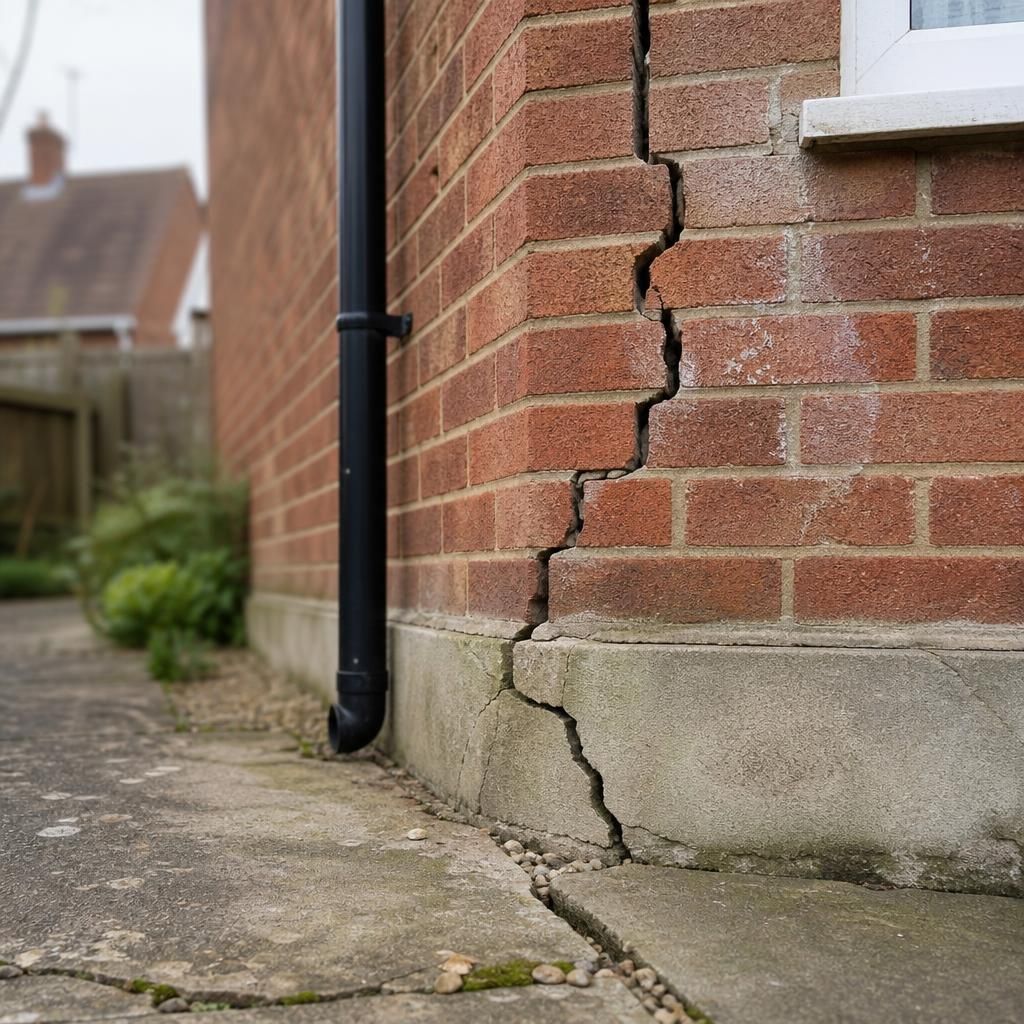
Ground movement is another exclusion to check carefully. Vacant property policies may exclude or restrict subsidence, heave and landslip, particularly where there are existing cracks, movement, defective drainage, nearby trees or a history of structural damage. A claim may also be declined if the insurer considers that the condition was present before the policy began rather than caused by a new insured event.
Ask whether ground-movement cover is included, subject to a higher excess or available only after a survey. Keep any structural reports, drainage assessments and photographs from the start of the policy, as these can help distinguish pre-existing movement from later damage during the probate period.