

Stop Home Repossession Now
Stopping mortgage repossession is a crucial concern for homeowners facing financial difficulties that jeopardise their property ownership. Understanding the legal framework and available options can significantly mitigate the risk of losing your home. Key steps include negotiating with lenders for revised payment plans or seeking independent financial advice to explore solutions such as selling the property before repossession proceedings advance. It’s essential to act promptly and assess practical avenues to stopping house repossession, ensuring you make informed decisions that align with your current financial situation.
Expert Strategies to Halt Mortgage Repossession

Seek Legal Guidance
Understanding the legal context of repossession is crucial. Engaging with a solicitor experienced in property law can help navigate the complexities involved in repossession proceedings. Early legal consultation can provide valuable insights into both rights and obligations, potentially opening avenues to delay or prevent repossession.
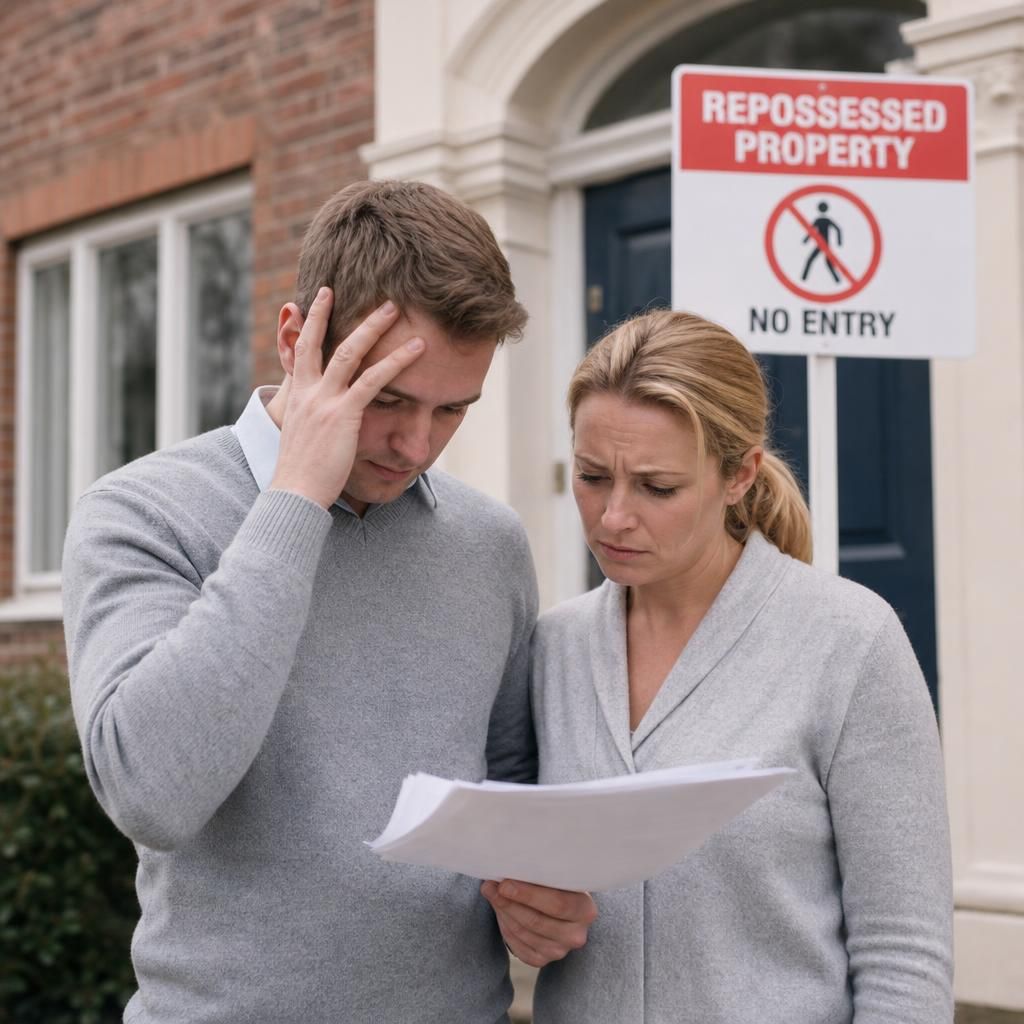
Communicate Early with Lenders
Prompt communication with your lender can lead to revised payment arrangements. Many lenders prefer accommodating struggling homeowners through new terms, such as extended payment schedules or reduced temporary payments, over repossession.

Assess Financial Strategies
Consulting with an independent financial advisor can uncover actionable strategies. They might suggest options like refinancing to achieve manageable monthly repayments or identifying funds to cover arrears, ultimately safeguarding against repossession.

Consider a Quick Sale
For those seeking immediate solutions, selling the property swiftly might prevent a pending repossession. Cash buyers specialise in expedient transactions, facilitating prompt settlements that can clear outstanding mortgage debt and avert legal actions.

Leverage Debt Counselling Services
Debt counselling services can offer structured advice and negotiation support with creditors, empowering homeowners to manage their debts effectively and explore options to prevent repossession.

Explore Mortgage Refinance
Refinancing your mortgage could lower payments by adjusting the interest rate or extending the term, providing short-term relief from financial strain. Evaluate offers carefully to avoid escalating long-term liabilities.

Join Support Groups
Joining support groups, either locally or online, can provide emotional assistance and practical advice. These communities often share experiences and tips on handling financial challenges related to mortgage issues and repossession.
Addressing Common Concerns About Stopping Home Repossession
Stopping mortgage repossession involves understanding the legal options and financial strategies available to mitigate the risk of losing your home. This process is essential for homeowners who have entered into arrears and are facing the threat of repossession. One key approach is engaging in open communication with your lender, as many lenders are willing to negotiate more manageable repayment terms or temporary payment holidays to help borrowers catch up on their mortgage payments. Additionally, it’s crucial to seek independent financial advice early on, which could provide insights into various strategies such as refinancing, consolidating debts, or even selling the property to satisfy the outstanding mortgage balance.
When aiming to stop house repossession, it is important to be aware of the potential impacts this process can have, including damage to your credit score and complications in future borrowing. Consider every viable option, such as government assistance programs or legal avenues to contest the lender’s actions if you believe your case has been mishandled. By taking proactive steps and understanding your rights and responsibilities as a homeowner, you can make informed decisions that may prevent repossession and help secure your financial future.
Understanding the Repossession Timeline
Knowing the typical repossession process timeline is essential for homeowners attempting to avert home repossession. From the initial missed payment to the final court order, understanding each step can empower you to take timely and effective actions.
What Are the Stages of Repossession?
The repossession process generally starts after multiple missed mortgage payments. Initially, the lender will issue a notice of arrears, requesting you to catch up on payments. If unresolved, this notice is followed by a notice of default, giving you a chance to resolve the arrears or face formal proceedings. Eventually, the lender may apply to the court for a repossession order. Attending court hearings can sometimes open up opportunities to negotiate alternative solutions. Understanding this sequence allows you to act at each stage to prevent the loss of your home.
Options for Negotiating with Lenders
Open communication with your lender is crucial for addressing arrears and preventing repossession. Lenders may be open to negotiation if approached early, giving you the chance to rearrange payment terms and avoid court proceedings.
How Can You Negotiate with Your Lender?
When dealing with mortgage arrears, lenders often prefer negotiation over repossessions, as it is costly for them too. Begin by contacting your lender to discuss your financial difficulties candidly. Options such as temporary payment holidays, extended loan terms, or restructuring the mortgage can be requested to spread costs more manageably. Prepare documented evidence of your financial situation and a realistic repayment proposal. Engaging in proactive discussions with your lender early increases the likelihood of finding a suitable solution.
Legal Measures You Can Take
Despite the lender’s right to repossess, legal routes may still provide a platform to contest or delay repossession proceedings. Understanding these options is crucial.
What Legal Options Are Available?
If you believe that repossession actions are unjust or incorrectly conducted, you can explore legal mechanisms to contest them. For instance, a court may consider a ‘Time Order,’ which can reschedule payment terms, allowing you more time under a structured plan. Additionally, reviewing the lender’s compliance with pre-action protocol, which mandates lenders to act fairly, could present grounds for defence if procedural faults are found. Legal advice is crucial here, as missteps can exacerbate the situation.
Alternative Financial Solutions
Exploring alternative financial solutions can be instrumental in managing mortgage arrears and preventing repossession. These methods could provide the flexibility needed to regain financial stability.
What Financial Alternatives Can You Consider?
Several financial alternatives exist for struggling homeowners. Refinancing your current mortgage could result in reduced monthly payments by extending the loan term, albeit potentially increasing the total payable amount. Debt consolidation may be another avenue, combining various debts into a single manageable one with a lower interest rate. Selling the property is a more substantial option, allowing you to pay off the mortgage without accruing further debt. Each option has implications, so consulting a financial advisor can help tailor choices to your situation.
Implications on Credit and Future Borrowing
Understanding the long-term financial implications of repossession can influence decisions significantly. The effect on credit scores can have far-reaching consequences.
How Does Repossession Affect Credit Scores?
A repossession record seriously damages credit ratings, making future borrowing more complicated and expensive. The repossession will appear on your credit file for several years, signalling to potential lenders a high-risk borrower. This scenario results in restricted access to loans or mortgages and increased interest rates on any credit received, elevating future financial commitments. Even informal repayment plans with lenders could impact credit ratings, albeit less severely. Thus, it’s vital to consider not only immediate solutions to stop repossession but also the long-term financial planning needed to restore creditworthiness.
Urgent Steps to Prevent Mortgage Repossession
Stopping mortgage repossession is vital for homeowners at risk of losing their property due to financial difficulties. This process involves negotiating with lenders for revised payment plans or exploring options like selling the property quickly. It’s crucial to act quickly and seek professional advice to find the best solution.
Effective strategies include open communication with lenders, seeking independent financial advice, and exploring refinancing or government assistance programs. By understanding the legal and financial pathways available, homeowners can make informed decisions to safeguard their property and financial future.
Understand Your Rights
Familiarise yourself with your rights and the legal processes involved in repossession to ensure you take the correct steps.
Communicate with Lenders
Initiate open dialogue with your lender to discuss possible payment plans or temporary relief options to avoid repossession.
Seek Expert Advice
Consult independent financial advisors to explore strategies such as refinancing or consolidating debts to manage arrears effectively.
Assess the Consequences
Evaluate the potential impacts on your credit score and future borrowing to make informed decisions regarding repossession.
Explore Government Schemes
Investigate available government assistance programmes that provide support to homeowners in financial distress.
Consider Selling the Property
Selling your property quickly might be a viable option to prevent repossession and satisfy outstanding mortgage debt.
Act Promptly
Address the situation without delay to improve your chances of finding a suitable solution before escalation.
Engage with Support Networks
Reach out to local support groups or charities dedicated to providing assistance with mortgage challenges.
Common Questions About Stopping Mortgage Repossession
What are the immediate steps I should take to stop my home from being repossessed?
Explore renegotiating mortgage terms, seeking professional financial advice, and considering quick property sales to address immediate arrears, avoiding the long-term consequences of repossession and protecting your financial integrity.
How can selling my house to a cash buyer help prevent repossession?
Selling to a cash buyer ensures a swift transaction, providing immediate funds to settle arrears and halt repossession. This bypasses lengthy sales processes, aligning with urgent financial remedies.
What financial support options are available to help me avoid house repossession?
Explore government assistance, refinancing options, or financial counselling services to address mortgage arrears and avoid repossession. Timely action and professional advice can help create viable solutions tailored to your situation.
What legal options are available if I feel my home repossession was handled unfairly?
Seek legal advice to challenge repossession through courts, focusing on potential lender breaches, improper procedure, or errors in documentation. This could lead to repossession reversal or modification.
Can I stop repossession if my mortgage lender refuses to negotiate?
Focus on selling the property quickly or seeking assistance from professionals to explore viable financial solutions, allowing for arrears settlement and preventing repossession even if the lender is uncooperative.
Understanding the Process of Stopping Mortgage Repossession
Stopping mortgage repossession involves understanding the available strategies and legal rights to prevent losing your home due to arrears. Key approaches include negotiating revised payment terms with your lender and seeking independent financial advice. These actions can provide a pathway to avoid repossession while maintaining financial stability.
Effective communication with your lender is crucial as they might offer temporary payment relief or restructuring options to help manage your situation. This proactive engagement can prevent repossession proceedings from escalating, providing an opportunity to resolve the issue without losing your property.
Exploring all available options, such as government assistance programs or refinancing, can also be beneficial. By staying informed and prepared, homeowners can make educated decisions to safeguard their homes against repossession threats.

Expert Answers to Your Repossession Concerns
What legal rights do homeowners have when facing house repossession?
Engage with your lender early; they may offer revised payment terms or temporary relief options, often crucial for avoiding repossession. Explore financial advice or legal pathways to secure your position.
How can I negotiate with my lender to prevent house repossession?
Begin by clearly expressing your willingness to resolve the arrears and provide a realistic repayment proposal. Highlight any changes in your financial circumstances that may support your case.
What steps should I take if a repossession order has already been issued?
Seek immediate legal advice and explore options such as applying to the court to suspend the repossession or negotiate with your lender to reach a satisfactory repayment arrangement.
Are there specific government assistance programs available to help prevent home repossession?
Government assistance programs like Support for Mortgage Interest (SMI) can help eligible homeowners cover interest payments, providing temporary relief while organizing longer-term solutions to avoid repossession.
What are the financial implications of stopping a house repossession?
Stopping repossession affects your financial status, potentially impacting your credit score. It may also lead to additional fees. Address arrears quickly to minimise these implications and protect future borrowing ability.