

Selling a House in Probate
Selling a house in probate involves transferring property ownership from the deceased to the beneficiary, which can be challenging due to legal processes and time constraints. Homeowners must navigate probate court, obtain valuations, and prepare legal documents to successfully sell.
Understanding the Probate Property Sale Process

Navigating the Legal Maze
Understanding the legal intricacies of a probate sale is critical. Executors must secure a grant of probate, detailing their right to manage the estate. This document allows the property sale to progress, ensuring all legal responsibilities are met.

Accurate Property Valuation
A precise property valuation is essential in probate sales to ensure a fair market price is obtained. Professional valuations help manage expectations of beneficiaries and prevent disputes.

Understanding Probate Timelines
The probate process can vary significantly in duration. It's vital to know the expected timelines and prepare accordingly, to avoid unnecessary delays in the sale of the property.
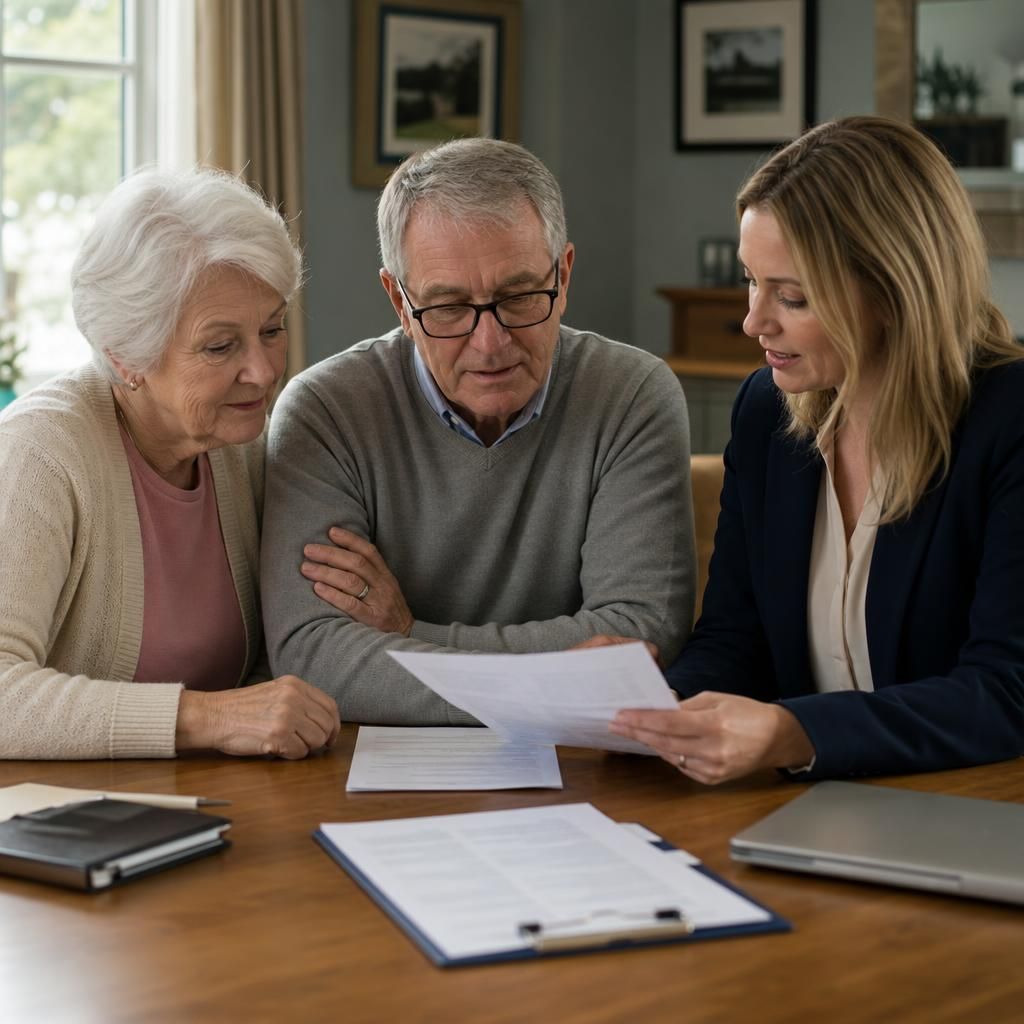
Executor’s Duties
The executor is responsible for managing the estate's affairs, including settling debts, managing taxes, and coordinating the sale of any property, ensuring a smooth transition of ownership.

Expert Legal Consultation
Working with solicitors who specialise in probate can streamline the process and tackle complexities, such as handling disputes or tax issues, reducing stress for sellers.

Adapting to Market Conditions
Probate sales must consider current market conditions. Timely market assessments can aid in strategic decision-making, ensuring the property is positioned advantageously.

Handling Beneficiary Disputes
Disputes among beneficiaries can complicate probate sales. Clear communication and mediation can help resolve conflicts, allowing for a smooth transaction.
Visual Guide to Selling a House in Probate
The process of selling a house in probate involves legal proceedings that must be carefully navigated to ensure ownership is transferred from the deceased to the heirs. Initially, the executor must obtain a grant of probate, granting the legal authority to manage the deceased’s estate, including the sale of property. This step is crucial to begin handling assets, settling debts, and distributing the estate as per the will.
During the probate sale, determining the property’s fair market value is essential. This typically involves obtaining professional valuations to ensure compliance with legal requirements and equitable distribution among beneficiaries. Accurate valuation helps in avoiding disputes and aligning with tax liabilities that may arise from the property’s sale.
Lastly, understanding the probate timeline is important for planning. This process can be lengthy, often delayed due to court schedules or complexities in the estate. While it can be expedited by thorough preparation and professional guidance, it is advisable for executors to be ready for potential legal and procedural hurdles that may affect the transaction timeline.
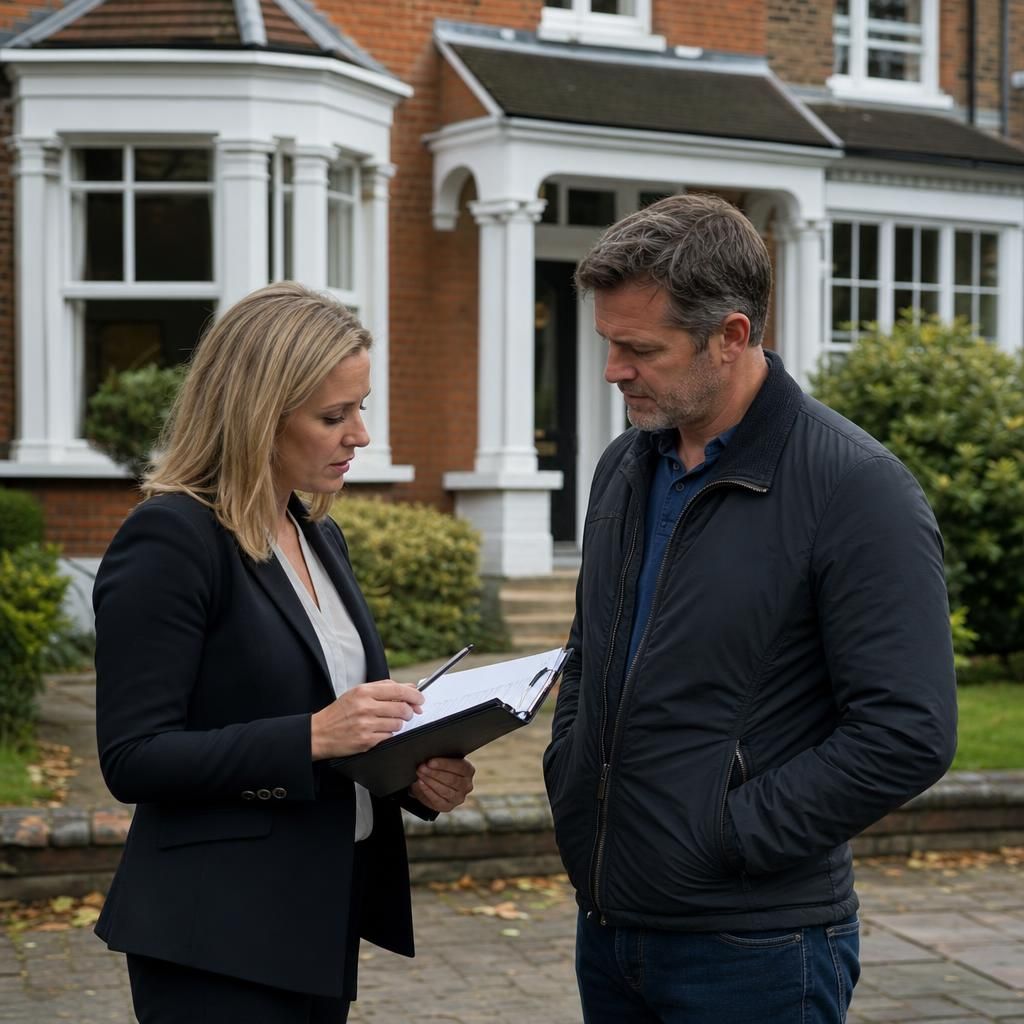
In-Depth Guide to Probate Property Selling
Selling a house in probate typically involves a structured legal process that aims to ensure the orderly transfer of property from the deceased to the beneficiaries. This begins with obtaining a grant of probate, a legal document issued by the court that permits the executor to manage and distribute the deceased’s assets. Key activities during this process include dealing with outstanding debts, paying any relevant taxes, and resolving potential disputes between beneficiaries. Accurately evaluating the property is essential, usually necessitating professional property valuations to ensure compliance with legal requirements and facilitate fair distribution.
It is vital for executors to understand the associated timeline and prepare accordingly, as the duration can be extended by court schedules and complexities within the estate. Engaging with professionals specialised in probate can prove beneficial in navigating potential legal challenges and market conditions. Ensuring all necessary documentation and valuations are in order can help expedite the process. A thorough understanding of the probate procedure not only aids in reducing stress but also supports a smoother transaction, allowing beneficiaries to receive their entitled inheritance without unnecessary delays.
Understanding the Grant of Probate Process
The grant of probate is the first legal step in the probate property sale process, granting the executor the authority to manage and distribute the deceased’s assets.
Obtaining the Grant of Probate
To obtain a grant of probate, the executor must apply to the Probate Registry. This involves completing a probate application form and an inheritance tax form, even if no tax is due. The executor may also need to attend an interview with the registry if there is any query about the estate. The process can take up to several weeks, depending on the estate’s complexity, after which the court issues the probate, allowing asset management, including selling property.
Valuation of Probate Property
Accurate property valuation in probate cases is critical to ensuring fair distribution among beneficiaries and compliance with legal obligations.
How to Get a Probate Property Valued
Probate properties require a professional valuation to establish the property’s market value at the time of the owner’s death. Executors should seek valuations from chartered surveyors or estate agents experienced in probate conditions. This assessment ensures the property is marketed correctly and aids in resolving any inheritance tax obligations. It’s important to have a formal valuation report as part of the estate records.
Addressing Debts and Liabilities
All outstanding debts and liabilities of the estate must be settled before distributing the assets to beneficiaries.
Managing and Settling Debts
Executors are responsible for paying off any debts the deceased owed, using the estate’s assets. This includes settling utility bills, loans, and other financial obligations. Executors should gather all outstanding bills and statements to assess the total liabilities. Assets can be sold, including the probate property, to pay off these debts. It’s important to maintain transparency with beneficiaries about financial decisions made in settling liabilities.
Role of Executors in Probate Sales
Executors play a central role in managing the sale of property during probate, ensuring compliance with all required legal processes.
Duties and Responsibilities of Executors
The executor’s role involves managing the estate as per the will, which includes selling any property. Executors must ensure they act in the interest of the beneficiaries, obtaining the best possible sale price under reasonable circumstances. They should maintain records of all transactions and decisions made. Executors may choose to handle sales personally or appoint solicitors or estate agents specialising in probate to manage the process more efficiently.
Essential Questions for Selling a House in Probate
What are the legal steps required to obtain a grant of probate when selling a property?
Ensure you have a valid will and obtain a grant of probate to legally manage and sell the estate. This facilitates the sale process and avoids legal complications.
How can I accurately value a probate property before selling?
Utilise professional appraisers or estate agents specialising in probate to determine accurate market value, ensuring valuation reflects legal requirements and helps avoid disputes during the sale process.
What potential legal challenges or disputes should I anticipate when selling a probate property?
Potential probate disputes can arise from unclear wills, disagreements among beneficiaries about asset distribution, or claims from creditors. Legal consultation can help mitigate these challenges and streamline the process.
What important documents must be prepared before listing a probate property for sale?
Prepare the grant of probate, property valuation reports, tax documents, and any will or testament that outlines beneficiary details to facilitate a smooth probate property sale process.
What are the tax implications or obligations to consider when selling a probate property?
Tax liabilities in probate sales may include inheritance tax, capital gains tax based on the estate's increase in value since the owner’s death, and potential liabilities affecting beneficiaries.
Step-by-Step Guide to Selling a Probate House
Understanding the probate house selling process is crucial for executors managing estate properties. This intricate process involves securing a grant of probate, settling debts, and valuing the property for equitable distribution among beneficiaries.
1. Understand the Probate Process
The probate process involves a series of legal steps required to settle the estate of the deceased. It is essential to understand that selling a house in probate requires obtaining a grant of probate, which gives the executor legal authority to manage and distribute the deceased person's assets.
2. Secure a Grant of Probate
To sell a probate property, the executor must secure a grant of probate. This legal document from the court confirms the executor's right to handle the deceased's estate. Without this grant, the probate sale cannot proceed, and the executor cannot legally transfer ownership of the property.
3. Obtain Professional Valuations
Accurate property valuation is critical in a probate sale. Professional valuations ensure that the property's selling price complies with legal requirements and aids in the equitable distribution among beneficiaries. This step also helps to minimise disputes and aligns the sale with any tax obligations.
4. Address Outstanding Debts and Taxes
Part of the probate process involves handling any outstanding debts and tax obligations tied to the estate. The executor must ensure these are settled before the distribution of assets. Failure to do so could lead to delays in the transaction and potential legal complications.
5. Navigate Probate Court Schedules
The probate timeline can extend due to court schedules and complexities within the estate. It's essential to be prepared for potential delays and procedural hurdles. Engaging with legal professionals who specialise in probate can help expedite the process and avoid common pitfalls.
6. Manage Beneficiary Expectations
Properly managing beneficiary expectations is vital to ensuring a smooth probate sale. Executors should communicate clearly about timelines, potential delays, and the distribution process to maintain transparency and reduce tension among heirs.
7. Complete the Sale and Distribute Proceeds
Once the property is sold, the final step is to distribute the proceeds according to the will or as per legal guidelines if a will is absent. Executors must ensure that all financial obligations of the estate are settled before the final distribution to beneficiaries.

Understanding the Probate House Selling Process
Understanding the process of selling a house in probate is essential for executors and beneficiaries. A probate sale is a court-supervised procedure where the deceased’s property is sold, and the proceeds are used to pay off debts before being distributed among heirs. Navigating this process requires a grant of probate, which gives the executor legal authority to manage and sell the estate.
The valuation of the property is a pivotal component of probate sales. Professional appraisals ensure the property is sold at fair market value, avoiding disputes among beneficiaries and complying with legal obligations. Accurate valuations help in meeting tax requirements and facilitate a smoother transaction process.
Probate sales can be complex and time-consuming, often affected by court timelines and estate complexities. Executors benefit from understanding these potential hurdles and proactively addressing them through thorough preparation and seeking professional advice. This knowledge aids in minimizing delays, allowing for a more efficient settlement of the deceased’s estate.
Frequently Asked Questions About Selling Probate Houses
What are the steps involved in selling a house under probate?
Selling a house in probate requires patience, as it involves legal and court approvals. Engaging a solicitor and an experienced property professional can streamline the process, ensuring compliance with legal obligations.
How does the valuation process impact the sale of a probate house?
Professional valuations determine the fair market value, influencing pricing and ensuring compliance with probate law, which is vital for equitable beneficiary distribution and tax calculations.
What challenges might executors face when managing a probate property sale?
Executors often face legal complexities, time constraints, and potential disputes among beneficiaries. Managing these issues involves thorough preparation, seeking professional advice, and ensuring all legal documents and valuations are accurately completed.
What is the role of a probate solicitor in the house selling process?
A probate solicitor provides legal guidance, ensuring compliance with probate laws, managing court procedures, and resolving disputes among beneficiaries. They help executors navigate complexities, facilitating a smooth property sale process.
How do court timelines affect the sale of a probate house?
Court timelines can delay probate house sales, as proceedings must align with scheduled hearings. Executors should anticipate procedural delays and proactively coordinate with court officials to minimize hold-ups.