
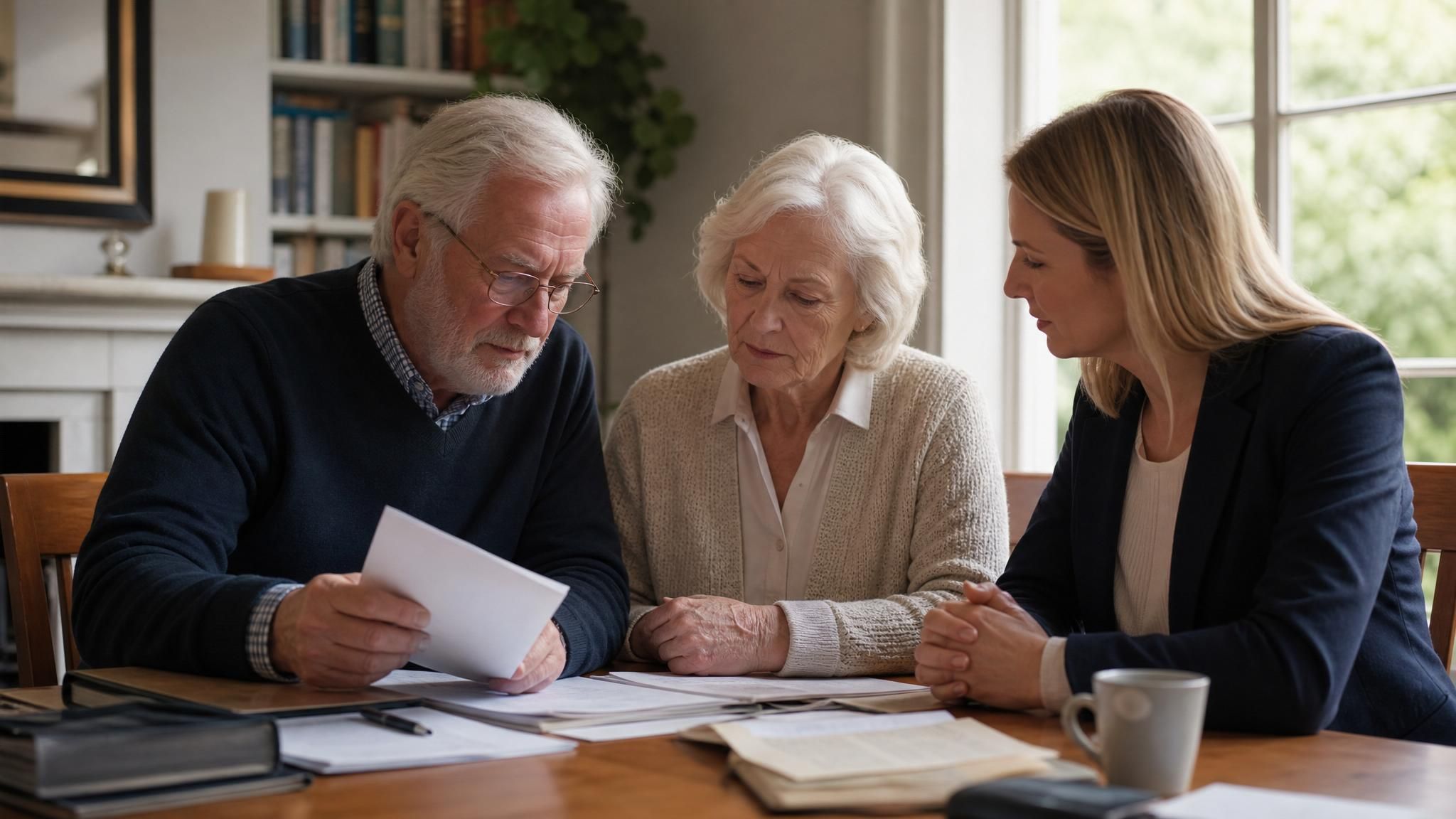
Probate Property Valuation
A probate property valuation is essential in assessing a property’s value for the purpose of settling an estate. It involves determining the market worth of the property at the time of the owner’s death. This valuation is crucial for accurate inheritance tax calculations and ensures compliance with legal requirements. Understanding the process can aid in achieving a fair distribution among beneficiaries, while also helping in decision-making regarding the future sale or retention of the property.
Expert Guidance on Probate Property Evaluation
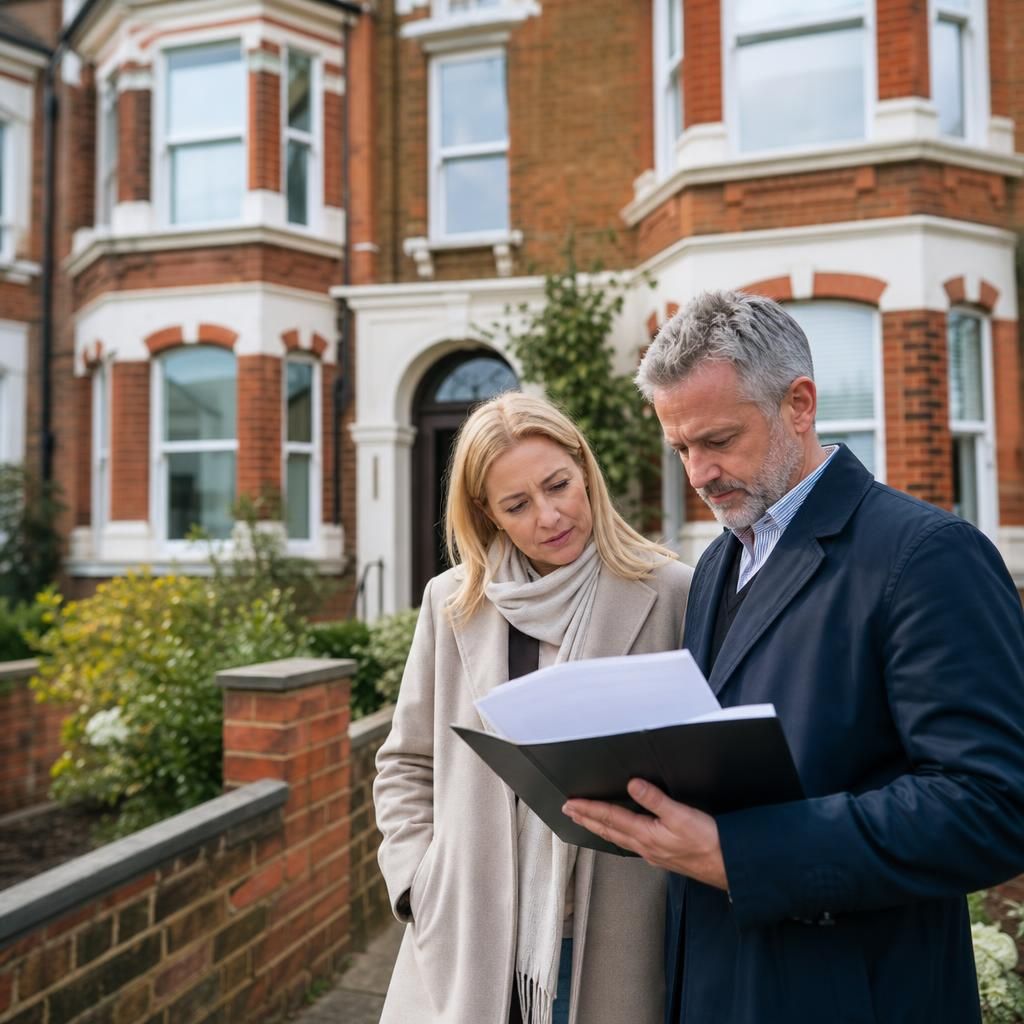
Understanding the Probate Process
The probate process is the legal procedure required to manage the estate of a deceased individual. It involves verifying the deceased's will, assessing assets, settling debts, and distributing the property to rightful heirs. Accurate property valuation is a crucial step in this process to ensure fair settlement of any associated taxes and obligations.

Importance of Professional Appraisals
A professional market appraisal is essential to ensure the probate property is valued accurately. Chartered surveyors or professional valuers provide official appraisals that reflect the property's true market value, crucial for HM Revenue & Customs compliance and in avoiding disputes among beneficiaries.
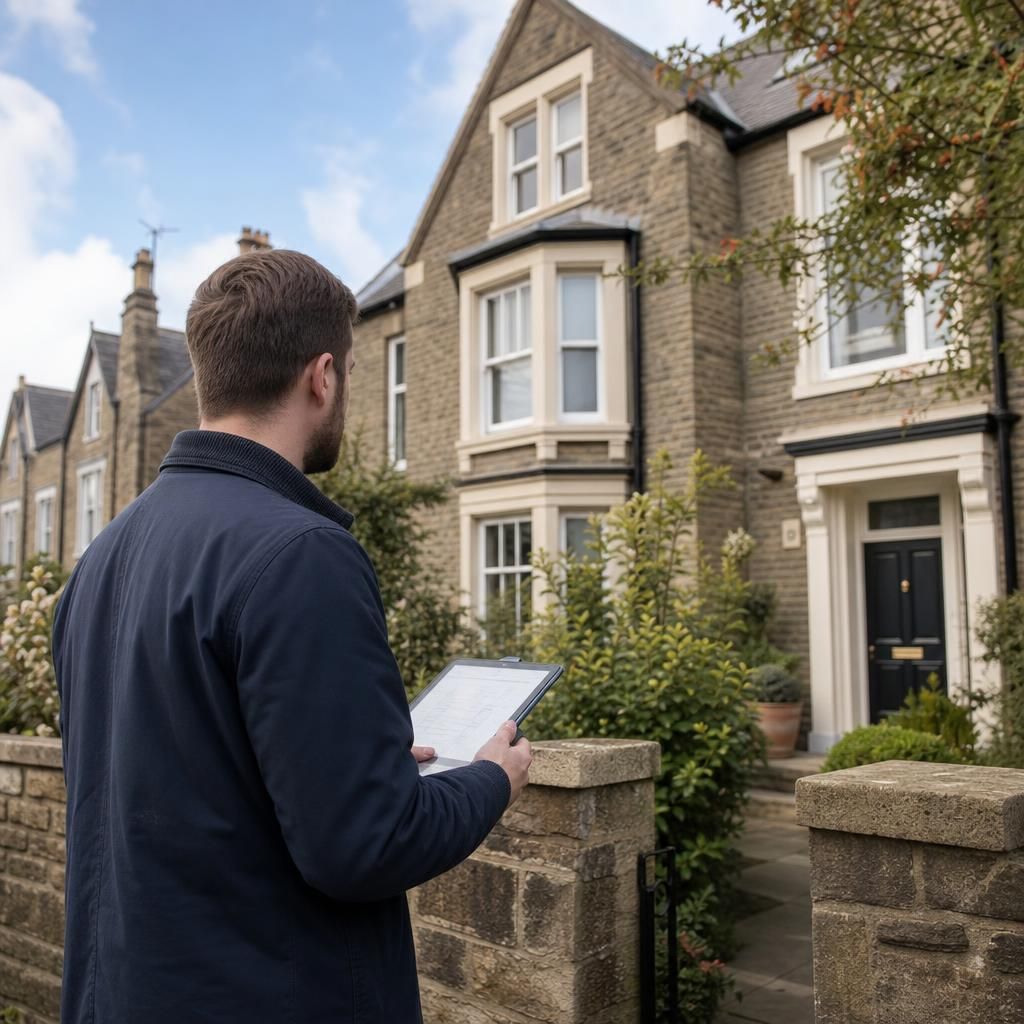
Inheritance Tax Calculations
Inheritance tax is determined based on the total value of the deceased's estate, including the probate property. Accurate valuation of the property is pivotal in calculating the appropriate tax liabilities, ensuring that beneficiaries receive their fair inheritance while complying with tax regulations.

Meeting Legal Requirements
Probate property valuation must adhere to specific legal requirements set forth by HM Revenue & Customs. Compliance involves providing full disclosure of the property's market condition and value at the time of death, ensuring that estate settlements are lawful and transparent.

Valuing Unique Properties
Properties with unique characteristics can pose valuation challenges. Specialised knowledge is required to assess such properties accurately, factoring in any distinctive features that might affect the market value, thus ensuring a fair and precise probate valuation.

Navigating Beneficiary Disputes
Conflicts can arise among beneficiaries over the probate property valuation. Engaging experienced professionals can aid in dispute resolution, offering impartial appraisals and expert advice to facilitate fair distribution and minimise conflicts during the settlement process.
Understanding Probate Property Valuation
Probate property valuation is a crucial step in determining the market value of a deceased person’s property for inheritance purposes. This assessment is essential for calculating the correct inheritance tax liability and is a key factor in both the probate application process and the eventual distribution of the estate. The valuation reflects the property’s open market value at the time of the owner’s death, usually conducted by a professional chartered surveyor to ensure accuracy and compliance with HM Revenue & Customs guidelines.
Understanding the elements that influence probate property values, such as location, condition, and market demand, can provide valuable insight during the valuation process. Properties with unique features or complex legal circumstances may require expert evaluation to resolve any potential discrepancies or disputes among beneficiaries. It is advisable to seek professional advice to ensure the valuation accurately reflects the proper worth of the property.
Obtaining a thorough and unbiased probate property valuation can support informed decisions about whether to sell, hold, or distribute the property. It also plays a pivotal role in amicably resolving any disagreements between heirs, ensuring a smooth and compliant progression of the probate process. Thus, a reliable valuation serves as a foundation for fair and efficient estate management.

Key Considerations in Probate Property Valuation
Probate property valuation is a formal assessment required to establish the market value of a property owned by a deceased at the time of their death. This process is integral for calculating inheritance tax and ensuring the equitable distribution of the estate among beneficiaries. Typically, a professional valuer or chartered surveyor conducts this evaluation, providing an accurate appraisal that adheres to HM Revenue & Customs guidelines. Understanding how these valuations are performed can alleviate potential challenges, such as disputes among heirs or issues related to unique property characteristics.
Factors influencing probate property valuation include the property’s location, condition, and current market trends, which collectively impact the open market value. It’s crucial that the valuation reflects the property’s worth accurately to comply with legal expectations. Moreover, for properties with complex legal issues or distinctive features, professional advice is often indispensable to address any disagreements or valuation discrepancies effectively. Acquiring a precise and fair valuation not only facilitates decision-making regarding the sale, retention, or distribution of the property but also ensures the probate process progresses smoothly and in compliance with relevant regulations.
What is Probate Property Valuation?
Probate property valuation is a process used to determine the market value of a property owned by a deceased person at the time of their death. This valuation is required for probate proceedings and is crucial for calculating inheritance tax and facilitating the fair distribution of the estate.
Understanding the Objective of Probate Valuation
The primary objective of probate property valuation is to assess the property’s open market value for inheritance tax purposes and to ensure an equitable distribution among beneficiaries. This valuation reflects what the property would likely sell for under normal market conditions and must adhere to HM Revenue & Customs guidelines.
The Role of a Chartered Surveyor
A chartered surveyor plays a vital role in providing an unbiased and professional valuation of probate properties. Their expertise ensures compliance with relevant regulations and provides a trustworthy appraisal essential for probate administration.
Why Hire a Chartered Surveyor?
Chartered surveyors bring professional expertise and credibility, crucial for a reliable valuation. They understand market factors, property conditions, and legal nuances, which help in navigating complex valuations, especially for properties with unique features or legal complications.
Factors Influencing Probate Valuation
Several factors influence the valuation of a probate property, including location, market demand, property condition, and any legal complexities involved. Understanding these can help ensure that the processed valuation reflects the property’s true market worth.
Critical Factors to Consider
Key elements that can affect probate property valuation include the property’s geographic location, overall condition, and current market dynamics. Additionally, legal issues like zoning or ownership disputes may also impact the valuation. Recognising these can help in achieving an accurate assessment.
Addressing Valuation Disputes
Disputes over probate valuations can occur, particularly if beneficiaries have different perceptions of a property’s worth. Resolving these efficiently is important to avoid delays in estate distribution.
Resolving Disagreements Among Beneficiaries
When disputes arise, it is advisable to seek a second or third independent valuation from various professionals. Engaging a mediator or legal advisor can also facilitate resolution, ensuring a fair and objective outcome for all parties involved.
Legal Compliance in Probate Valuation
Ensuring compliance with legal guidelines in probate property valuation is essential to avoid penalties and ensure a smooth probate process. This involves adhering to specific HM Revenue & Customs rules.
Importance of Meeting Legal Standards
Accurate probate valuations require strict adherence to HM Revenue & Customs regulations. Failing to comply can result in tax miscalculations and legal penalties, highlighting the importance of engaging qualified professionals for this process.
Complex Valuations for Unique Properties
Properties with unique characteristics, such as historical significance or unusual designs, may present additional challenges in valuation. Expert advice is often necessary to accurately assess these properties for probate.
Handling Unique and Complex Property Issues
For properties with distinctive features or legal complexities, such as heritage listings or unregistered land, it is essential to enlist specialists familiar with these nuances. Detailed assessments and thorough research are pivotal in obtaining an accurate probate valuation for such properties.
Critical Questions to Ask Before a Probate Property Valuation
What qualifications should a professional valuer have to conduct a probate property valuation?
Engaging a professional valuer ensures compliance with HM Revenue & Customs by providing an accurate market appraisal at the date of death, crucial for inheritance tax and equitable estate distribution.
How does the location and condition of a property affect its probate valuation?
Location influences access to amenities and demand, while condition affects repair costs and market appeal, both impacting the property's market value in a probate valuation.
How can unique property features influence the probate valuation process?
Unique features like historical significance or bespoke architectural details can complicate valuations, requiring expert insights to accurately measure their impact on the property's overall market value.
What documentation is essential to prepare before requesting a probate property valuation?
Essential documents include the deceased's will, prior property valuations, title deeds, and recent mortgage statements. These records aid in an accurate appraisal and ensure compliance during the probate process.
How does the timing of a probate property valuation impact the inheritance tax calculations?
The timing affects inheritance tax calculations by determining the property's market value at the owner's death, which can influence tax liabilities and financial planning for estate distribution.
Probate Property Valuation Process: Comprehensive Steps to Navigate Through the Valuation Journey
A probate property valuation involves assessing the market value of a deceased person’s property for inheritance purposes. This evaluation is crucial for calculating inheritance tax and ensuring the fair distribution of estate assets among beneficiaries. Conducted by professionals, it adheres to HM Revenue & Customs regulations.
Initial Consultation
The property valuation process begins with an initial consultation to discuss the requirements for a probate valuation. This step helps clarify the purpose of the valuation, gather essential information about the property, and address any initial concerns or questions.
Property Inspection
A thorough inspection of the property is conducted to assess its current condition, size, and key features. This detailed examination is crucial to ensure an accurate valuation, considering aspects like structural integrity, location, and unique characteristics.
Market Analysis
Market analysis involves evaluating the current property market trends and comparable sales data. This analysis provides a basis for the estimated market value of the property, reflecting the fair market conditions at the time of the owner’s death.
Preparation of Valuation Report
Following the property inspection and market analysis, the valuer prepares a comprehensive valuation report. This document outlines the property's market value, details the factors influencing this assessment, and supports compliance with HM Revenue & Customs regulations.
Review and Feedback
Once the valuation report is complete, it is reviewed with the client to ensure clarity and understanding. Feedback is encouraged to address any concerns or discrepancies that may arise, providing an opportunity for reassessment if necessary.
Submission to HMRC
The final step involves submitting the valuation report to HM Revenue & Customs as part of the probate process. This submission is crucial for determining inheritance tax liabilities and ensuring compliance with legal obligations.
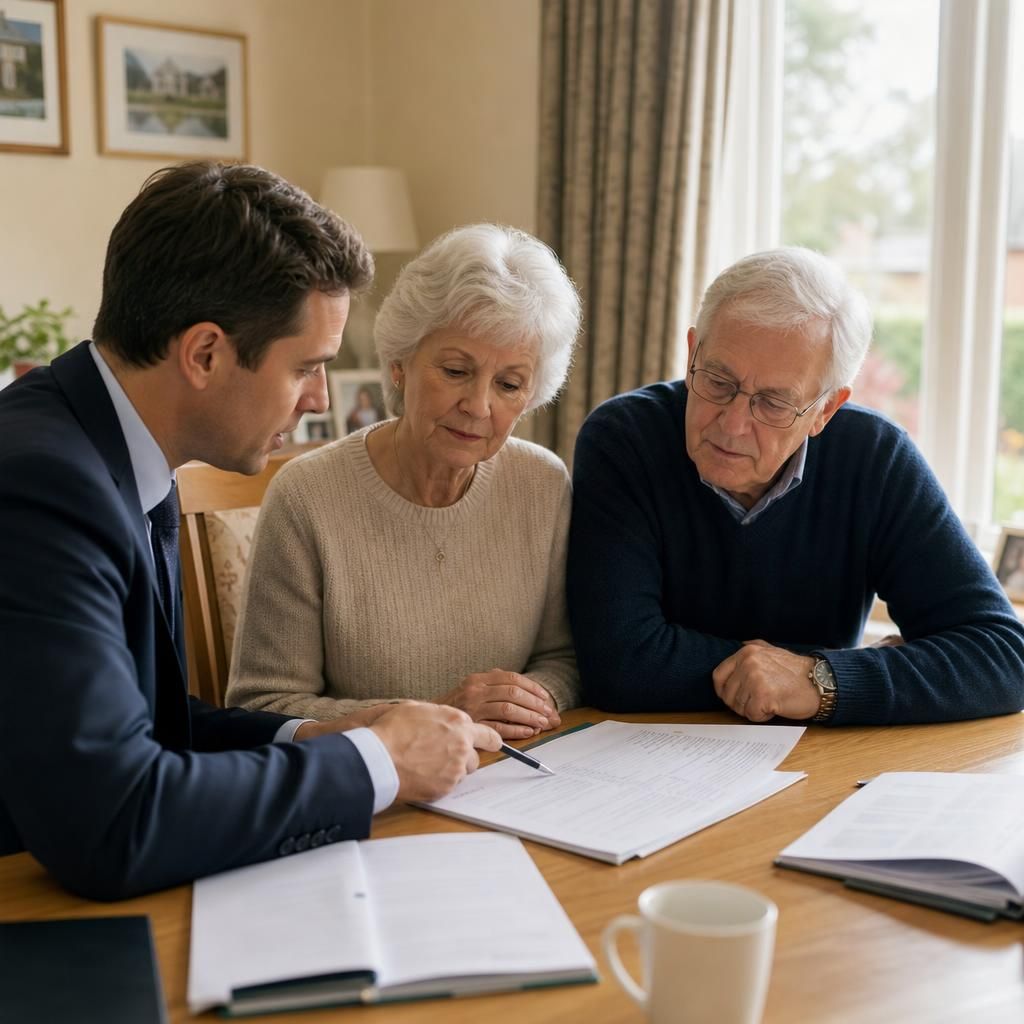
Key Factors in Probate Property Valuation
A probate property valuation is a formal assessment conducted to determine the market value of a deceased person’s property at the time of their death. This valuation serves a critical role in calculating inheritance tax and distributing assets among beneficiaries fairly. It is typically undertaken by a professional valuer or chartered surveyor who ensures compliance with HM Revenue & Customs guidelines.
In conducting a probate property valuation, several factors are carefully considered, including the condition of the property, its location, and prevailing market trends. These elements collectively impact the property’s market value, and understanding them is essential for an accurate appraisal. Professional input is often necessary, especially for properties with legal complexities or unique characteristics.
Securing an accurate probate property valuation can help prevent disputes among heirs and aids in making informed decisions regarding the property’s future, whether through sale, retention, or distribution. A thorough and unbiased valuation supports a smooth probate process, ensuring compliance with legal obligations and facilitating effective estate management.
Frequently Asked Probate Property Valuation Questions
What factors are considered in a probate property valuation?
Obtaining a probate property valuation helps determine the market value of a deceased's property, ensuring compliance with legal obligations and aiding in fair asset distribution among beneficiaries.
How is a probate property valuation conducted?
A probate property valuation is carried out by a professional valuer or chartered surveyor who inspects the property, analyses market conditions, and follows legal guidelines to assess its market value.
Why is probate property valuation essential for inheritance tax calculations?
Probate property valuation is crucial for accurate inheritance tax calculations as it establishes the property's market value at the owner's death, ensuring precise tax assessments and compliance with legal requirements.
What legal requirements must be met when conducting a probate property valuation?
Compliance with HM Revenue & Customs standards is essential, as accurate market valuation affects inheritance tax liabilities. Professional valuers ensure legal guidelines are adhered to, preventing disputes among beneficiaries.
What role does professional advice play in probate property valuation?
Professional guidance ensures accurate valuation, adhering to legal standards and solving complexities of unique properties, ultimately supporting informed decision-making and smooth probate proceedings.