

Selling Probate Property Quickly
Selling a probate property involves transferring ownership of a deceased person’s home, a process often required to settle an estate. This typically occurs when the property is inherited through a will. Challenges include complex legal procedures, potential emotional distress, and the costliness of maintaining an unoccupied property. A swift cash sale can circumvent delays associated with traditional methods. Key considerations include understanding legal responsibilities, accurately valuing the property, and ensuring compliance with probate laws. Consulting with a probate specialist is advisable to facilitate a smooth transaction.
Expert Guidance for Probate Property Sales

Understanding Probate Law
Probate law governs the process of distributing a deceased person's estate, including real estate assets. It involves a legal procedure to validate the will, if one exists, and appoint an executor. This executor is responsible for managing the estate's distribution, ensuring all legal requirements are met. Understanding these laws helps navigate potential complexities in property sales.
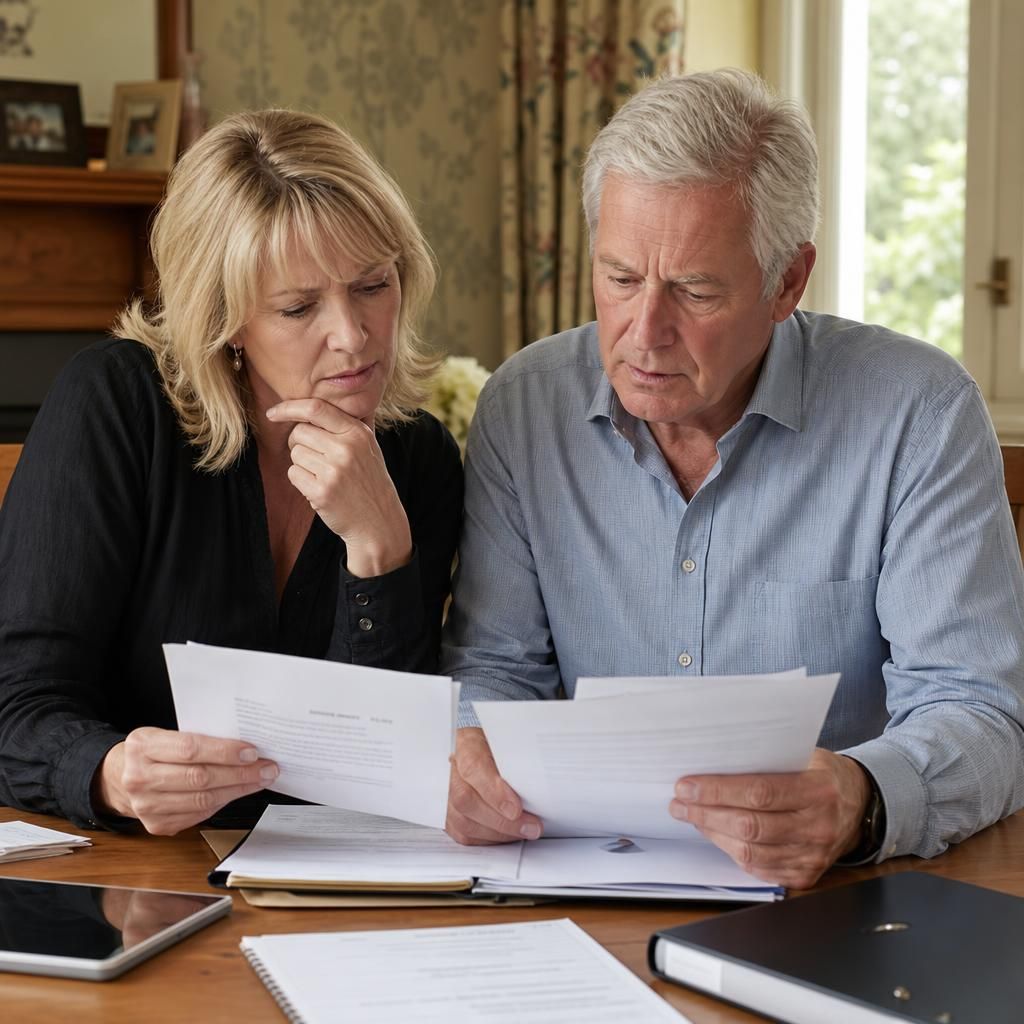
Obtaining the Grant of Probate
To sell a probate property legally, executors must secure a 'grant of probate'. This legal document permits the management and disposal of the deceased's estate in accordance with their will. Without it, the property cannot be sold. The process can be intricate, thus consulting with professionals can streamline obtaining the grant.

Accurate Property Valuation
Determining the correct market value of a probate property is crucial for a fair sale. Valuations should consider current market conditions, local property trends, and the property's condition. Professional appraisers can offer detailed insights, which are essential for setting a competitive yet realistic price point.

Ensuring Legal Compliance
Probate sales include distinct legal obligations, such as completing all statutory forms and declarations. Executors must comply with these requirements to avoid legal complications. Understanding these obligations ensures that the sale process is smooth and free from potential legal disputes or delays.

Cash Sale vs. Traditional Sale
Opting for a cash sale offers speed and convenience by bypassing the lengthy estate agent process. However, understanding both options enables informed decisions. A traditional sale might yield higher offers but introduces potential delays. Executors need to weigh their urgency against potential benefits for the best outcome.

Managing Emotional Stress
The emotive aspect of selling a probate property can add stress, especially given the loss involved. It's vital to manage this emotional component; seeking help from professionals or support groups can provide guidance and alleviate the burden associated with complex sales during a difficult time.

Consulting a Probate Expert
Engaging with probate experts who are well-versed in estate sales is advised. These professionals provide indispensable insights and advice, ensuring all legalities are adhered to and offering guidance through complex transactions, from initial steps to final sale.

Understanding Probate Sales: Key Considerations
Selling a deed of probate property involves transferring ownership of real estate that was owned by a deceased individual, as part of the estate settlement process. This often requires obtaining a grant of probate, which is a legal document confirming the executor’s authority to manage the estate. The process can be complex and differs significantly from traditional property sales, as it involves dealing with legalities unique to probate sales.
One of the first steps in this process is obtaining an accurate property appraisal, which is crucial for ensuring the property is sold at its true market value. Unlike standard sales, a probate property must comply with specific legal parameters, making it essential for executors to understand these requirements fully.
Executing a quick sale is often preferred, especially if the estate needs to be settled promptly or if there are financial obligations related to the property such as maintenance or taxes. Opting for a cash buyer can circumvent the delays usually associated with going through an estate agency, enabling a more efficient transaction.
In-Depth Understanding of Deed of Probate Sales
Selling a deed of probate property involves a distinctive set of procedures compared to conventional property sales, primarily due to the legal framework surrounding probate laws. When an individual who owns property passes away, the appointed executor or administrator must obtain a grant of probate. This legal document authorizes them to manage and distribute the deceased’s estate according to the will. Understanding the intricacies of this process is crucial, as it ensures that the property transfer complies with relevant laws and is carried out smoothly. Proper valuation of the property, securing the necessary legal documents, and understanding the implications of potential inheritance tax liabilities are some of the key steps in this journey.
Opting for a cash sale can expedite the transaction, freeing up funds more rapidly for the beneficiaries. Traditional property sales often involve estate agents, buyer negotiations, and lengthy waiting times. In contrast, a cash sale typically bypasses these elements, offering a streamlined approach. Executors and beneficiaries should weigh the benefits of a quick sale against the possible adjustments in market value. Working with legal professionals experienced in probate sales can provide guidance and help navigate any legal challenges that may arise during the process, ensuring compliance and protecting the interests of the beneficiaries.
What is a Grant of Probate?
Obtaining a grant of probate is a crucial step in selling probate property.
Understanding the Grant of Probate
A grant of probate is a legal document issued by the Probate Registry that empowers the executor to manage the deceased’s estate. It signifies legal recognition of the executor’s authority to act on behalf of the deceased’s estate. This document is essential before selling any property under probate, as it ensures that the estate is administered in accordance with the law and the deceased’s will. Executors should apply for this document promptly to avoid delaying the sale.
Legal Obligations for Executors
Executors have specific legal duties in the sale of probate property.
Executor Duties Explained
As an executor, managing the sale of a probate property comes with legal responsibilities, including settling the deceased’s debts, ensuring accurate valuation of the property, and distributing proceeds as outlined in the will. Executors are also tasked with completing and submitting any necessary legal forms to relevant authorities. They must act in the best interest of the estate, maintaining transparency and fulfilling their duties within the legal timeframe. Consulting with legal professionals specialising in probate can assist in satisfying these obligations efficiently.
Appraising Probate Properties
Accurate valuation of the estate property is necessary for probate sales.
How to Appropriately Appraise Probate Properties
An accurate appraisal of the property is vital in probate sales to ensure fair market value pricing. This process involves evaluating the property’s condition, location, and market conditions. Executors may hire a professional surveyor or appraiser to assess the value accurately. This valuation is crucial, not only for setting a fair sale price but also for tax purposes, as the value must be reported correctly on inheritance tax forms. A well-conducted appraisal can prevent disputes among beneficiaries and help in achieving a smooth sale.
Tax Implications of Selling Probate Property
Understanding the tax obligations related to probate property sales is important for executors.
Navigating Tax Issues in Probate Sales
Selling probate property can involve various tax implications, including inheritance tax obligations. Executors need to determine if inheritance tax is due based on the estate’s total value and current tax thresholds. Any capital gains arising from the property’s sale might also be taxed unless exemptions apply. Executors should carefully document all sale proceeds and expenses. It is advisable to consult with a tax professional to ensure compliance with tax laws and to explore any available tax reliefs that could apply to the estate.
Advantages of Cash Buyers in Probate Sales
Opting for cash buyers can streamline the probate property sale process.
Why Consider Cash Buyers for Probate Properties?
Cash buyers are often favoured in probate sales because they can expedite the property transaction. Unlike traditional buyers who may require mortgage approvals, cash buyers can purchase promptly, reducing the time and paperwork involved. This is particularly beneficial for executors needing to settle the estate swiftly or when the market conditions are volatile. By bypassing the typical delays of estate agents and buyer financing, cash sales can help reduce ongoing property expenses and quickly release funds to beneficiaries.
Essential Questions to Consider When Selling Your Probate Property
What are the potential legal challenges when selling a probate property and how can they be addressed?
Choose a cash buyer with proven expertise in handling probate sales to ensure a quick, compliant transaction that avoids traditional market delays and maximises value for the estate's beneficiaries.
How can I ensure that the valuation of a probate property is accurate and reflective of current market conditions?
Engage a chartered surveyor familiar with probate valuations to ensure accuracy by considering location, property condition, and recent sales of comparable properties, aligning with HMRC guidelines for an accurate reflection.
What steps should be taken to legally prepare a deed of probate property for sale?
Ensure all debts are cleared, obtain a grant of probate, and verify all wills or legal documents guiding the sale to prevent disputes and legal complications during the transaction.
What are the tax implications of selling a deed of probate property and how can they be managed efficiently?
Consult a probate tax advisor to understand potential capital gains tax liabilities and inheritance tax. Efficient management involves planning sales timing and using any available reliefs to minimise tax burdens.
How does the cash offer process work when selling a probate property, and what are the typical timelines and steps involved?
The cash offer process for probate properties involves an initial valuation, offer submission, acceptance, and completion. It typically spans a few weeks, with legal checks and documentation confirming the transaction.
Step-by-Step Guide to Selling a Probate Property Fast
Navigating the process of selling a deed of probate property begins with understanding and fulfilling legal obligations related to the ownership transfer. This guide outlines each step, ensuring a clear and efficient transaction process from start to finish.
1. Obtain the Grant of Probate
The first step in selling a deed of probate property is to secure a grant of probate. This legal document is mandatory as it authorises the executor to manage the deceased’s estate, including permission to sell the property. Understanding the requirements and the time frame for obtaining this document is crucial for beginning the sales process.
2. Accurate Property Valuation
Conducting a thorough property appraisal is essential to determine its true market value. This process should involve a qualified appraiser who understands the complexities of probate properties. An accurate valuation ensures transparency and helps in setting a fair asking price that reflects the current market conditions, facilitating a quicker sale.
3. Address Legal Obligations
Compliance with probate laws is non-negotiable. Executors must ensure that all legal obligations related to the property are met, including paying any owed inheritance tax. Engaging with a legal professional who specialises in probate can help navigate these complexities, ensuring that no steps are overlooked.
4. Prepare the Property for Sale
Once legal processes are underway, preparing the property for sale is vital. This may involve cleaning, making necessary repairs, and staging the home to attract potential cash buyers. Ensuring the property is presentable can make a significant difference in the speed and success of the sale.
5. Choose a Selling Strategy
Selecting the right strategy is crucial for a swift transaction. Opting for a cash buyer can significantly reduce the sale timeline, avoiding delays common with traditional estate agent sales. It is important to weigh the potential benefits of an expedited sale against the possible compromises on sale price.
6. Close the Sale
Finalising the sale involves agreeing on a price with a buyer and completing the necessary paperwork to transfer ownership. Executors should ensure that all legal documents are in order and that all parties involved in the transaction understand their roles. This stage solidifies the transfer and helps distribute the proceeds accordingly.
Comprehensive Guide to Selling Probate Properties
Selling a deed of probate property involves the legal process of transferring ownership from a deceased individual to a beneficiary or third-party buyer. This transaction requires obtaining a grant of probate, which confirms the executor’s authority to deal with the estate, including any properties. Such sales can present unique challenges due to legal obligations and potential emotional impacts on the involved parties.
A key step in selling probate property is ensuring accurate valuation, which aids in setting a realistic market price and avoiding disputes among beneficiaries. Unlike typical sales, probate properties must meet specific legal criteria, necessitating a clear understanding of probate law and potential inheritance tax implications.
Opting for a cash buyer can streamline the sale by eliminating delays associated with traditional estate agencies, particularly important when swift fund release is essential for settling the estate or meeting ongoing financial obligations. Executors often benefit from consulting with probate specialists to seamlessly navigate legal intricacies and secure compliance throughout the selling process.

Frequently Asked Questions on Selling a Probate Property
What are the steps involved in preparing a probate property for sale?
A grant of probate is a legal document confirming the executor’s authority to manage a deceased estate, including selling property. It is critical for transferring ownership during probate sales.
What documents are required to sell a probate property?
To sell a probate property, essential documents include the grant of probate, death certificate, will (if applicable), and property deeds. Additionally, you may need property valuation and sales agreement documents.
How long does it typically take to sell a probate property?
Selling a probate property usually takes several months, contingent upon obtaining probate, resolving legal challenges, and coordinating with involved beneficiaries. Opting for a cash buyer can significantly accelerate the process.
What are the common challenges faced when selling a probate property?
Dealing with probate can involve legal complexities, emotional strain, potential disagreements among heirs, and delays in obtaining the grant of probate necessary for property transfer.
What are the tax implications when selling a probate property?
Selling a probate property may trigger Capital Gains Tax or Inheritance Tax. Executors should calculate any tax liabilities and seek professional advice to ensure compliance with UK tax regulations.