
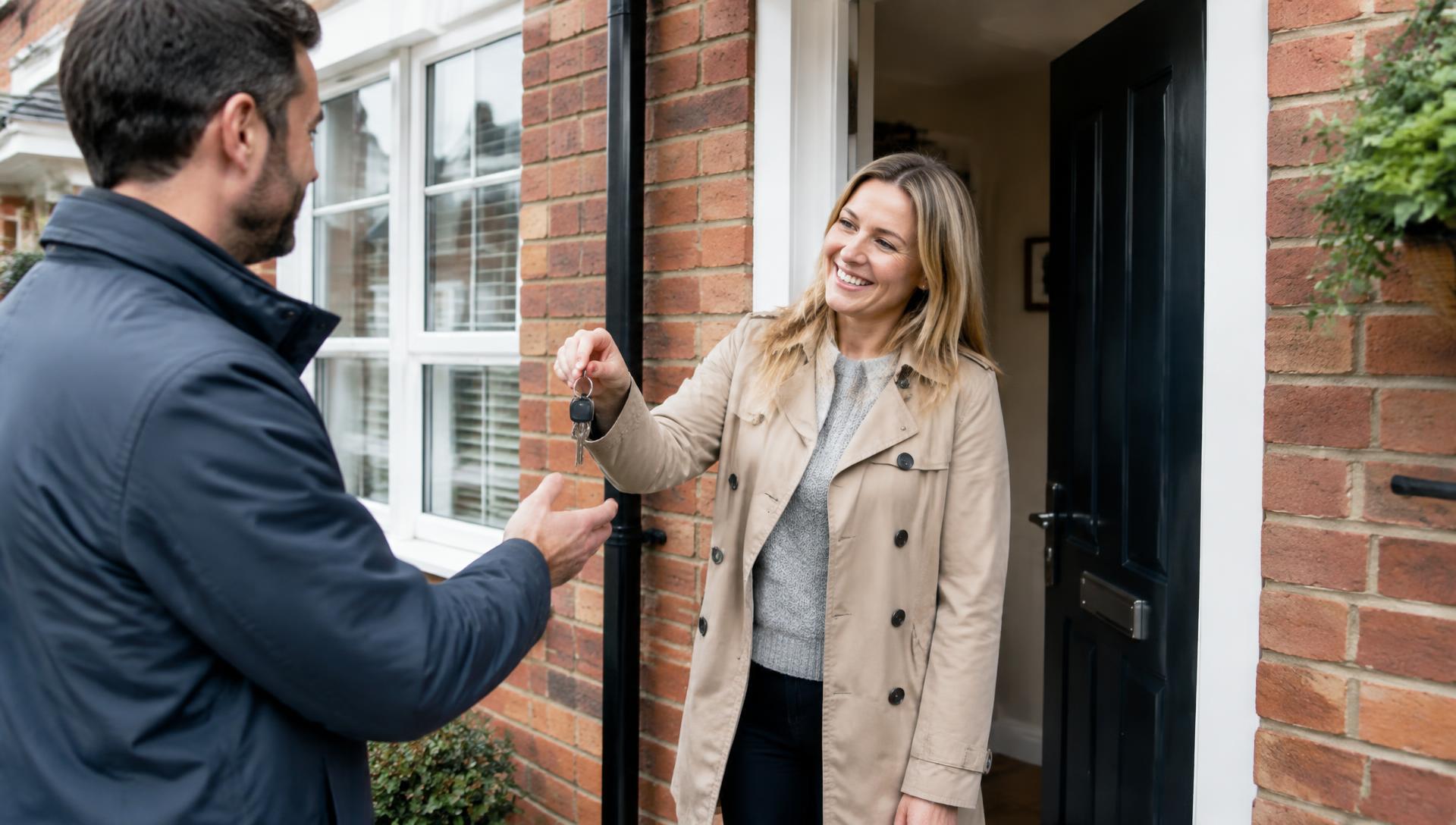
Why might I choose a cash buyer rather than listing with an estate agent?
A cash buyer may suit you if you prioritise a direct sale over marketing your property through an estate agent. The process can avoid estate-agent listings and reduce reliance on a property chain, although you should still compare the proposed price, terms and legal arrangements carefully.
A cash buyer may be a better choice than an estate agent when certainty, control and a simpler transaction matter more to you than testing the open market for the highest possible offer. The right option depends on your property, financial position, preferred timescale and tolerance for marketing and negotiation.
Choosing a cash buyer can offer several practical advantages:
- Fewer marketing steps: you may avoid preparing the property for photographs, arranging viewings and managing repeated negotiations with prospective buyers.
- Reduced mortgage-related uncertainty: a genuine cash buyer does not need a mortgage offer to fund the purchase. This removes the risk of a lender declining an application or down-valuing the property, although the transaction can still be affected by legal, survey or title issues.
- A direct point of negotiation: you can discuss the price, proposed completion date, included fixtures and any known defects directly with the buyer rather than relying on an estate agent to communicate between parties.
- Greater suitability for complicated circumstances: a direct buyer may be worth considering where a property needs substantial repairs, has title or occupancy issues, or is involved in probate, divorce, mortgage arrears or a threatened repossession. These circumstances do not remove the need for proper legal advice, but they may make a conventional marketing campaign less convenient.
- Potentially lower transaction administration: if there is no estate-agent instruction, you may avoid some agency-related charges. Check the written terms carefully, because a cash buyer or intermediary may apply other fees or deductions.
Listing with an estate agent has different strengths. Marketing exposes the property to a wider pool of potential buyers and may produce competing offers. It can therefore be appropriate if achieving the highest market price is your main priority and you are prepared for viewings, negotiation, buyer mortgage arrangements and the possibility that a sale may not proceed.
A cash offer should not automatically be treated as the best offer. It may be below an optimistic asking price because the buyer is taking on the costs, risks and work associated with resale or refurbishment. Compare the proposed net amount with a realistic estate-agent valuation, taking account of commission, legal costs, repairs, mortgage redemption charges and the cost of remaining in the property while it is marketed. Ask whether the offer is subject to deductions, surveys or other conditions.
Before accepting, establish whether the buyer is purchasing with its own funds or intends to pass the contract to another party. Request evidence that the funds are available, identify the legal entity making the offer and use an independent conveyancer. Your solicitor should check the title, explain the contract, confirm any restrictions and ensure that the completion arrangements are clear. Do not rely solely on verbal assurances about price or timing.
The decision is usually strongest when based on your priorities rather than the label “cash”. Consider:
- how important price is compared with certainty and convenience;
- whether you are comfortable with photographs, viewings and open-market negotiations;
- whether the property has defects or legal matters that may complicate a standard sale;
- what deductions and professional costs will reduce the amount you receive; and
- whether the proposed buyer has provided clear terms and acceptable evidence of funds.
For some sellers, an estate agent remains the better route because open-market exposure may maximise the eventual price. For others, a carefully checked cash offer provides a more controlled alternative. Obtain independent legal and valuation advice before committing, particularly if the property is jointly owned, part of an estate or subject to borrowing.
A cash buyer can provide greater privacy than an open-market listing. Selling directly may avoid public photographs, online property adverts and repeated viewings, which can be useful if you prefer not to disclose personal circumstances or have occupants who would be disturbed by marketing activity. This does not remove the need for property inspections and legal checks, but it can limit the amount of information and access involved before agreeing a sale. Ask the buyer exactly what information they require, who will see it and which visits are necessary.