

What types of properties do you specialise in purchasing as a cash home buyer?
We specialise in purchasing residential properties across the UK, including houses, flats, probate properties, damaged homes and tenanted properties. We also consider properties affected by legal complications, structural issues or other physical problems.
A cash home buyer typically specialises in residential property where the circumstances, condition or ownership position may make a conventional sale more involved. The property does not necessarily need to be in standard market condition, but its legal status, physical state and saleability must be capable of being assessed before an offer can be considered.
Property suitability is usually assessed across several areas:
- Condition: The extent of repairs, defects or damage is considered alongside the likely cost and complexity of making the property suitable for resale or continued ownership. Issues such as damp, subsidence concerns, fire damage or significant disrepair may require further inspection and supporting reports.
- Ownership and authority to sell: Where a property forms part of an estate, is jointly owned or is involved in divorce proceedings, the buyer needs to establish who has authority to accept an offer and sign the legal paperwork. Probate documentation, court orders or agreement between owners may be relevant.
- Occupancy: A property may require additional checks where another person lives there. The terms of any tenancy, rent position, notice arrangements and rights of occupation can affect the transaction and should be disclosed at the outset.
- Title and legal matters: Restrictions, charges, missing documents, boundary disputes, planning concerns and other title issues can influence whether a purchase is practical. These matters are normally reviewed by the conveyancers rather than assumed away.
- Financial pressure: Mortgage arrears, secured borrowing and a potential repossession can make the amount needed to redeem existing finance an important part of assessing the property. The available equity must be considered before completion can proceed.
Flats and other leasehold homes require particular attention to the lease, remaining term, service charges, ground rent, building insurance and any major works. These details can affect both value and the lender or buyer’s willingness to proceed. For any property, accurate information is more useful than presenting it as a standard sale when there are unusual circumstances.
The best way to establish whether a property fits the purchasing criteria is to provide a clear summary of its ownership, occupancy, condition and known legal or financial issues. Relevant documents may include title information, tenancy agreements, probate evidence, mortgage details, building reports and correspondence about disputes or enforcement action. An initial review does not remove the need for conveyancing checks, and an offer should be treated as subject to verification of the information provided.
This approach allows a cash buyer to distinguish between a property that needs a straightforward valuation and one that requires specialist legal, structural or financial review. It also helps the seller understand which facts may affect the proposed price, conditions of sale and route to completion.
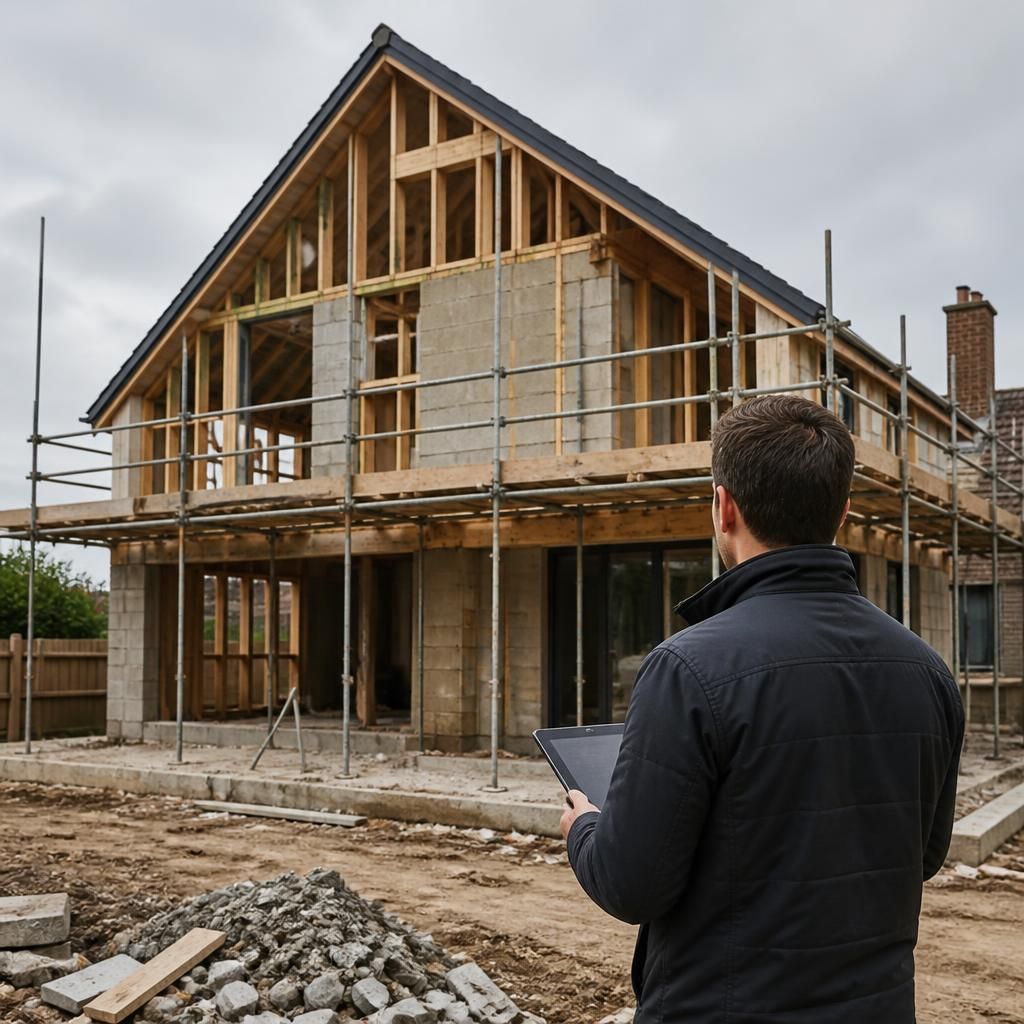
Non-standard construction homes can also require specialist consideration when assessing whether a cash purchase is suitable. Examples include timber-framed, concrete-built or steel-framed properties, as well as unusual conversions. Their value and resale prospects may depend on construction details, past surveys, insurance availability and any remedial work required.
For this reason, information about the building’s construction, alterations and previous inspections should be provided at the outset. A cash buyer can then decide whether the property can be assessed using the available evidence or whether an additional survey or specialist report is needed before an offer is made.