

What are the common pitfalls to avoid when selling a property as-is for cash?
Common pitfalls when selling a property as-is for cash include accepting an unclear valuation, overlooking legal or title issues, failing to disclose known defects, and agreeing to terms without checking the buyer’s funds and contract. Obtain independent legal advice, compare the offer with the property’s condition and likely market value, and confirm every cost, obligation and completion condition in writing.
Selling a property as-is for cash can reduce the amount of preparation required, but it does not remove the need for careful checks, accurate paperwork and a properly documented agreement. The main pitfalls are treating “as-is” as a no-paperwork sale, overlooking charges and restrictions affecting the property, signing restrictive terms too early, and failing to plan the practical and financial consequences of completion.
Assuming that as-is means no information is required
An as-is sale usually means the buyer is accepting the property in its current condition rather than requiring you to carry out improvements. It does not necessarily mean that every question about the property can be left unanswered. Complete the seller’s forms carefully and keep relevant documents available, including guarantees, planning consents, building regulation certificates, warranties and information about alterations. If information is missing, say so rather than guessing. An inaccurate answer can create complications after the contract is agreed.
Failing to check the exact ownership and authority to sell
Every person or organisation with an interest in the property may need to be involved in the sale. This can be particularly important where the property is inherited, jointly owned, held by a company, subject to a trust, or affected by divorce or insolvency proceedings. Confirm who is entitled to sign and whether any additional documents or court, executor or trustee authority is required. A buyer may be ready to proceed, but the transaction cannot complete properly if the seller’s authority is incomplete.
Overlooking leasehold and management requirements
Leasehold sales can involve information from the freeholder or managing agent, service-charge accounts, insurance details, planned major works and notices relating to breaches or alterations. The lease may also contain restrictions on transfer, requirements for a certificate of compliance or fees payable on sale. These matters can affect the paperwork and the amount available to the seller, even when the buyer is purchasing for cash. Ask for current leasehold information early and check who is responsible for each charge.
Signing an exclusivity or lock-out agreement without understanding it
Some cash-sale proposals include an exclusivity period during which the seller agrees not to negotiate with another buyer. Such an agreement may also set out fees, obligations, deadlines and circumstances in which one party can withdraw. Read it independently before signing and check whether you could become liable for costs if the sale does not proceed. Do not rely on a verbal explanation of what the document means; the written terms control the arrangement.
Missing deductions and payment obligations
Look beyond the headline offer and identify the net amount you are expected to receive. Possible deductions may include mortgage redemption, secured loans, arrears, estate-related charges, leasehold fees, administration costs or agreed allowances for contents and repairs. Request a written breakdown and ask who pays each item. Also establish when the balance is due and how it will be transferred. Never alter bank details solely because of an unexpected email; verify payment instructions through a trusted, independently obtained contact route.
Failing to verify the buyer and the transaction structure
A cash purchaser may be buying directly, through a limited company, or with funds supplied by another party. The contract should identify the correct legal buyer and explain whether the buyer can transfer the contract to someone else. Check the buyer’s identity, registered details where relevant, and the name of the conveyancer handling the matter. Be cautious if you are asked to send money before a clearly explained service has been provided, or if you are pressed to sign documents you have not had time to read.
Not planning for vacant possession
Agree what will remain at the property and what you must remove. Fixtures, appliances, garden items, rubbish and loose contents can all cause disagreement if they are not dealt with in writing. If the contract requires vacant possession, tenants, lodgers and other occupiers must be considered well before completion. Arrange removals, storage, meter readings and collection of keys so that the property can be handed over in the condition required by the agreement.
Ignoring tax, benefits or debt consequences
The proceeds of a sale can affect an individual’s wider financial position. Capital gains tax may be relevant in some circumstances, while inherited property, additional properties, business ownership and periods of letting can change the analysis. The proceeds may also affect means-tested benefits, debt arrangements or an insolvency process. Obtain advice based on your personal circumstances rather than assuming that a cash sale has a special tax treatment.
Allowing pressure to replace proper decision-making
A quick proposed completion date can be useful, but it should not prevent you from checking documents, arranging suitable advice and confirming your onward housing or storage arrangements. Keep a record of agreed changes and do not treat an offer as final until the formal contract is ready and all conditions are understood. A careful process is usually more important than accepting the first proposal simply because it is presented as fast.
Before committing, create a written checklist covering the parties, price, deductions, completion arrangements, property contents, required documents, fees and consequences of withdrawal. Having an independent conveyancer review the paperwork gives you an opportunity to identify obligations that are easy to miss in an as-is cash transaction.
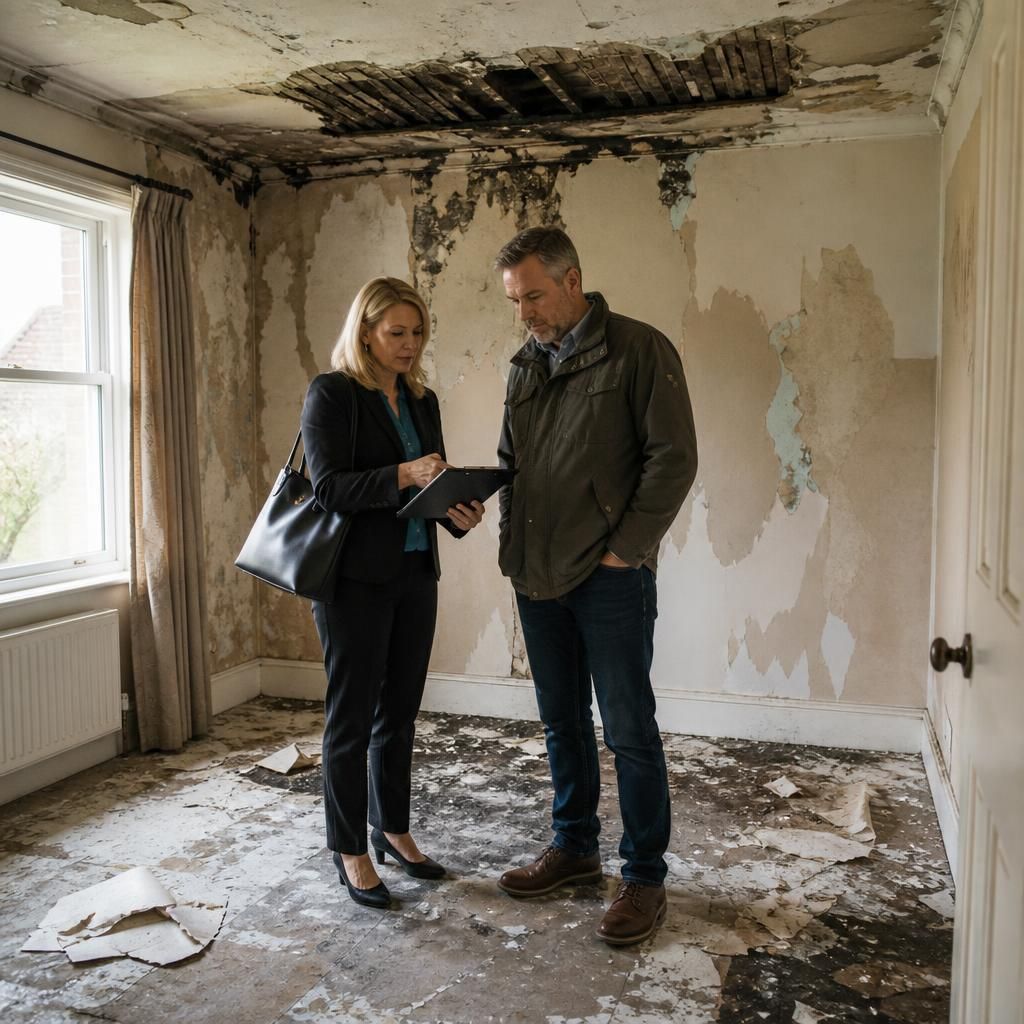
Check who carries the risk between agreement and completion. An as-is arrangement does not automatically determine responsibility if the property is damaged after the offer is accepted, such as through fire, flooding or vandalism. Keep appropriate buildings insurance in place and ask your conveyancer to explain when the risk passes under the contract. Report any material change to the property promptly, rather than assuming the buyer must accept new damage simply because the sale was agreed on an as-is basis.