

What types of properties are typically suitable for a cash as-is sale?
Properties typically suitable for a cash as-is sale are residential homes that need significant repairs, modernisation or clearance, as well as probate properties and homes affected by legal or ownership complications. The option can also suit owners facing divorce, mortgage arrears or a repossession threat who want to sell without completing extensive remedial work first.
A cash as-is sale is generally suitable for residential properties that may be difficult to sell through the conventional market because of their condition, occupancy, construction, paperwork or unusual features. The buyer assesses the property in its existing state and usually reflects the cost, risk and work involved in the proposed price, rather than requiring the seller to bring the home up to a conventional marketing standard first.
Vacant or unoccupied properties
Empty houses and flats can be suitable because they may require clearance, security measures or basic maintenance before they could be marketed conventionally. Unoccupied properties can also be more vulnerable to damp, frost damage, vandalism and deterioration. A cash as-is assessment will normally consider the property’s present condition, how long it has been empty and whether essential services remain connected.
Properties with tenants or occupiers
A tenanted property may be considered where the owner wants to sell an investment without carrying out improvements between tenancies. Its suitability depends on the tenancy agreement, rent position, deposit arrangements and whether the buyer is acquiring the property with the tenancy continuing. A seller should provide accurate information about the occupiers and should not assume that a sale automatically ends their rights.
Non-standard construction
Homes built using materials or methods that differ from conventional brick-and-block construction can be harder to finance and insure. Examples may include certain types of prefabricated construction, concrete systems, timber frames, steel frames and properties with unusual structural designs. These homes may still suit a cash as-is transaction, but the assessment is likely to focus closely on the construction method, its condition, any specialist reports and the availability of suitable insurance.
Unmortgageable or difficult-to-finance homes
Some properties cannot readily be purchased with a standard mortgage because of their condition, construction, access arrangements, missing documentation or other risk factors. A cash purchaser is not relying on a mortgage lender’s valuation in the same way as a financed buyer, so these properties may attract interest that they would not receive on the ordinary open market. This does not remove the need for proper legal checks or an independent decision about value.
Part-completed or altered properties
Buildings with unfinished extensions, loft conversions, renovations or other alterations can be appropriate for an as-is sale where the owner does not want to complete the work. The important questions include whether planning permission and building regulations approval were required, whether certificates are available and whether the existing work is structurally sound. Missing approvals can affect value and may need to be addressed during conveyancing.
Homes with substantial contents or clearance requirements
A property containing furniture, belongings, commercial equipment or accumulated waste may still be suitable, particularly where the seller does not want to organise clearance before marketing it. The parties should establish clearly what will remain in the property and who is responsible for removing items. Hazardous materials, contamination and unsafe access should be disclosed rather than left for the buyer to discover during inspection.
Properties affected by physical damage
Homes with fire damage, flood damage, subsidence concerns, serious damp, infestations or other defects may be considered on an as-is basis. The assessment will usually distinguish between visible damage and underlying causes. Useful information can include insurance correspondence, survey reports, contractor estimates, guarantees and records of previous remedial work. The more evidence available, the easier it is to understand the condition and price the risk realistically.
Flats, leasehold homes and properties with unusual arrangements
Leasehold flats and other homes with shared ownership of buildings or communal areas can be sold as-is, although the lease will be central to the assessment. Matters such as the remaining lease term, service charges, ground rent, planned major works, restrictions on alterations and disputes with a freeholder or managing agent can influence suitability. Similar checks apply to homes with shared access, private roads, flying freeholds or other non-standard arrangements.
What makes a property suitable overall?
- The seller can provide evidence of ownership and disclose known defects or disputes.
- The property can be inspected sufficiently to assess its condition and risks.
- Any occupants, tenants or third-party rights are identified at the outset.
- Planning, building regulations, leasehold and title information can be investigated.
- The seller understands that the price may reflect repair costs, clearance, professional fees and uncertainty.
“As-is” does not mean that a property can be sold without disclosure, inspection or conveyancing. Fraud, missing title information, unresolved ownership issues and restrictions on sale can prevent a transaction regardless of the property’s physical condition. A seller should therefore provide relevant documents, describe known problems accurately and obtain independent legal advice before agreeing terms.
In practice, the strongest candidates are properties whose owners value avoiding preparatory work and whose condition or circumstances could reduce the pool of conventional buyers. Suitability remains case-specific: a property that appears straightforward may raise concerns during valuation or legal review, while an unusual home may be acceptable when its risks and documentation are clear.
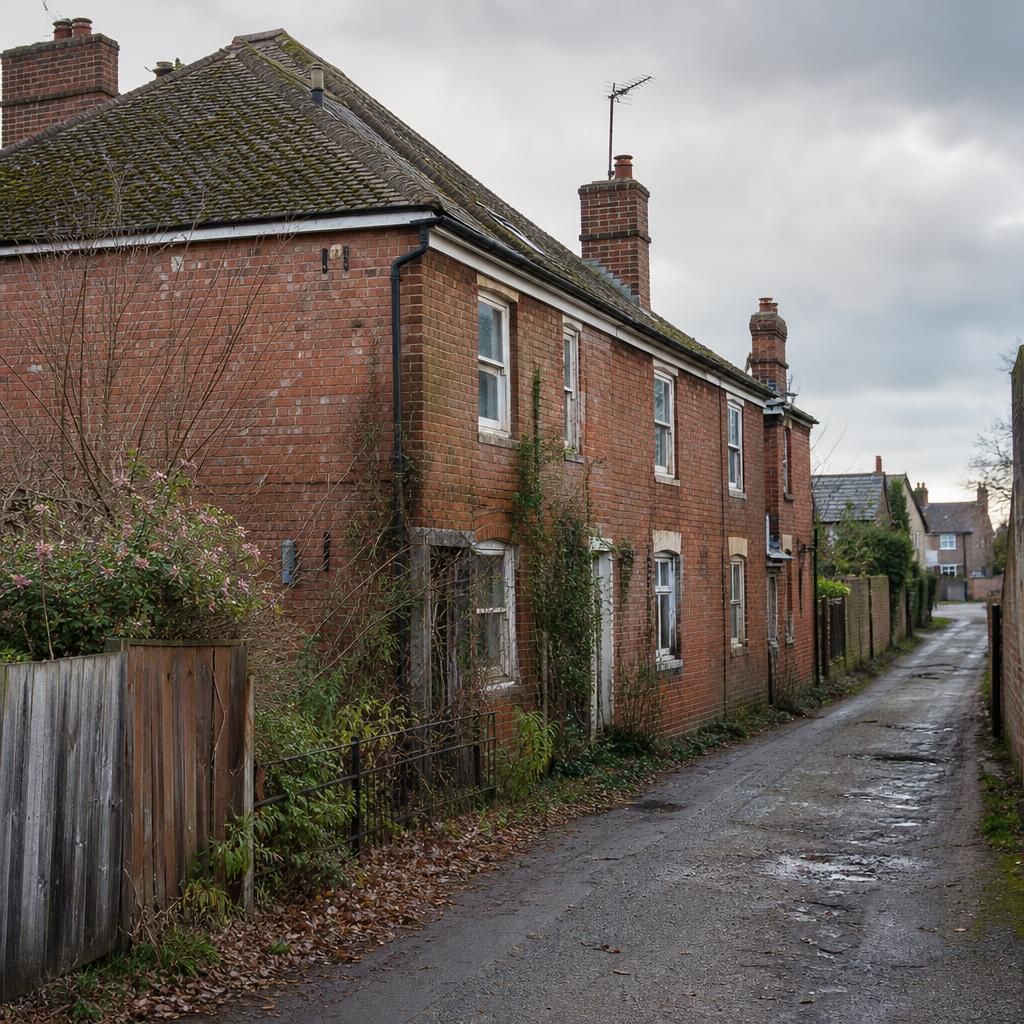
Properties with limited conventional buyer appeal can also be suitable for a cash as-is sale. Examples include homes with awkward layouts, restricted parking, difficult access, small or irregular plots, or nearby uses that reduce their appeal to typical owner-occupiers. These characteristics do not automatically prevent a sale, but they can narrow the likely buyer pool.
The assessment should consider how the feature affects practical use, resale demand and any additional professional checks. Clear information about access rights, boundaries, parking arrangements and restrictions helps establish whether the property can be evaluated realistically in its existing condition.
Discuss Your Property’s Suitability for a Cash As-Is Sale
If you are unsure whether your property is suitable for a cash as-is sale, provide details of its condition, occupancy and any legal or ownership issues for an initial discussion. Independent legal advice can help you understand the implications before agreeing to proceed.