

Is an as-is cash sale a good option if my property has significant structural issues?
An as-is cash sale can be a suitable option for a property with significant structural issues if you want to avoid arranging major repairs and presenting the home through the traditional market. However, the offer is likely to reflect the cost, risk and uncertainty of investigating and correcting the defects, so compare it with an independent valuation and the likely net proceeds after repair and selling costs.
An as-is cash sale can be a sensible option where structural defects make a conventional sale difficult, but it is only suitable if the reduced certainty and price are acceptable to you. The key issue is not simply whether a buyer has cash; it is whether the proposed price fairly reflects the defect, the evidence available and the risk the buyer is taking on.
“Structural issues” can describe problems with the main structure of a building, including subsidence, heave, movement in foundations, defective roof structures, unstable walls, major cracking, timber failure or serious damp affecting structural elements. Some apparent structural defects are relatively contained, while others indicate continuing movement or damage that may require monitoring and extensive work. A visual description alone is rarely enough to establish the severity.
Before assessing an offer, obtain as much reliable information as possible. Useful documents may include:
- an independent structural engineer’s report;
- previous surveys, inspection reports and repair specifications;
- planning permissions, building regulations approvals and completion certificates for relevant works;
- guarantees, warranties or certificates relating to underpinning, roof work, damp treatment or other remedial work;
- buildings insurance correspondence and details of any previous claims; and
- invoices, photographs and records showing what has already been repaired or monitored.
A structural engineer is generally better placed than a general valuation surveyor to identify the likely cause of movement and recommend further investigation. If the report is old, limited in scope or inconclusive, a buyer may allow for additional surveys and uncertainty. That allowance can affect the offer even where the defect has not been proven to be severe.
Ask the cash buyer how the offer was calculated. A credible assessment should distinguish between the estimated cost of physical works and other deductions, such as professional fees, temporary accommodation, insurance difficulties, finance or holding risk, contingency for unknown defects and the value of the property once made suitable. You should be able to ask what assumptions have been made about access, planning, building control, party-wall matters and the condition of adjoining structures.
Compare the offer with more than the advertised value of an unaffected property. A useful comparison is the likely net outcome from each route:
- the cash price, less any deductions or seller-paid charges;
- the expected sale price through the open market, less estate agent fees, legal costs, survey-related renegotiation and repair expenditure;
- the cost of arranging and managing remedial work before marketing; and
- the financial effect of keeping the property while investigations, works or a sale continue.
A traditional sale may produce a higher gross price, but a structurally defective property can attract fewer mortgage-funded buyers. Some lenders may require satisfactory reports, evidence of remedial work or an insurance solution before releasing funds. A cash purchaser may therefore offer access to a different pool of buyers, although that does not automatically make every cash offer good value.
Take particular care if the proposed price changes after an inspection. A revision may be reasonable where the inspection identifies a previously unknown defect, but request the written basis for the change. Compare the buyer’s findings with your own engineer’s report rather than accepting an unexplained reduction. Also check whether the offer is genuinely unconditional or subject to further surveys, valuation, legal review or approval by another party.
The legal process still matters in an as-is transaction. Selling as-is does not normally remove the need to answer property information forms accurately or disclose known matters when asked. Do not describe a defect as resolved unless the available evidence supports that description. Your conveyancer can explain what must be disclosed, review the contract and identify clauses that attempt to pass particular risks back to you. The buyer should also receive an opportunity to carry out appropriate enquiries and inspections.
Check the financial and contractual terms before agreeing to proceed. Confirm:
- the exact purchase price and whether it can be reduced later;
- which legal, survey, clearance or other costs each party will pay;
- whether there is a reservation agreement, exclusivity period or withdrawal charge;
- whether the buyer can assign the contract or is acting for another purchaser;
- the proposed completion arrangements and any conditions attached to them; and
- what happens if the buyer’s investigations identify additional work.
Use your own conveyancer rather than relying solely on documents supplied by the buyer. The conveyancer should check the buyer’s identity, authority to purchase, source of funds and the legal title, as well as reviewing restrictions, leases, access rights, planning records and any issues affecting the property. These checks are important because a structurally difficult property may also have legal or insurance complications.
An as-is cash sale is more likely to fit your circumstances when you need to avoid organising substantial works, do not want to manage a prolonged repair project, or have a clear reason to prioritise a defined sale price over the possibility of a higher but less certain market price. It may be less suitable if the structural problem is minor, well documented and capable of being repaired economically, or if you have time and resources to improve the property before selling.
Before accepting, obtain an independent valuation or second professional opinion, ask for the full written terms, allow your conveyancer to review the contract and compare the net proceeds with realistic alternatives. The decision should be based on verified condition, transparent deductions and contractual certainty—not solely on the fact that the purchaser can pay in cash.
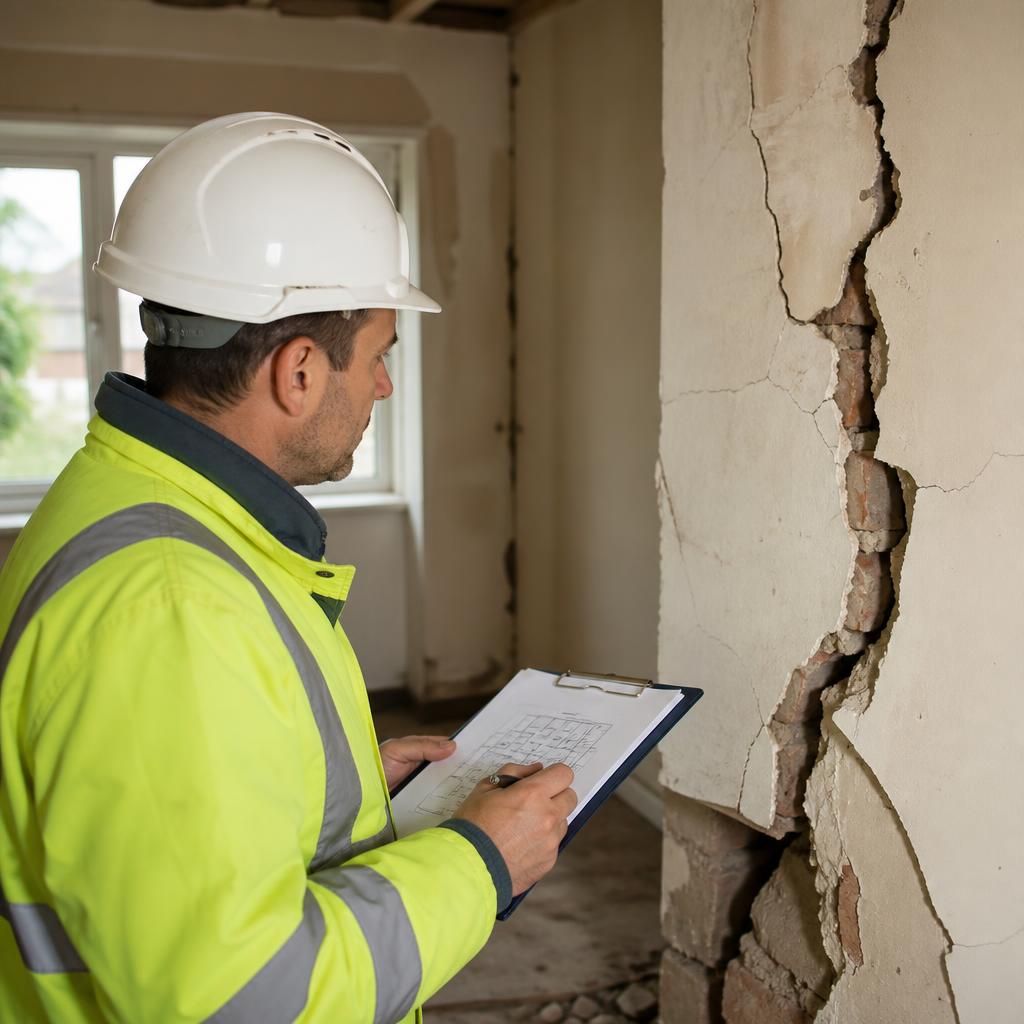
A structural engineer’s report can make an as-is sale easier to assess without requiring you to complete the recommended works first. The most useful report separates confirmed defects from possible causes and explains whether movement is ongoing, what further investigations are needed, and which works are essential for stability rather than improvements intended only to enhance the property.
This distinction matters because a buyer may price an unresolved defect as a worst-case risk when the available evidence is limited. Providing a clear technical record can give both sides a more informed basis for discussion, while leaving the buyer to decide whether to repair, monitor or investigate the property after completion.
Explore an As-Is Cash Offer for Your Structurally Affected Property
If you are considering an as-is cash sale for a property with structural issues, request a written cash offer based on the available reports and property details. Review the proposed terms with your conveyancer before deciding whether it represents a suitable alternative to repairing and selling through the open market.