

What are the potential risks of selling my house as-is?
Selling your house as-is can avoid the time and expense of carrying out repairs, but it may result in a lower offer and attract fewer buyers. You may also face risks involving undisclosed defects, inaccurate property information, legal obligations and accepting unfavourable terms before fully understanding the costs.
Selling a house as-is carries risks beyond the condition of the property. The main concerns are receiving an unreliable offer, discovering that debts or sale costs reduce the money available to you, encountering title or ownership complications, and agreeing to a transaction that does not complete. An as-is sale does not remove the need for accurate information, proper legal checks or a legally valid contract.
The buyer may not have the funds they claim to have. An initial cash offer is not the same as verified funding. Before treating an offer as dependable, establish whether the buyer has sufficient available funds or an approved source of finance, and ask your solicitor to check the proposed transaction carefully. A buyer who cannot demonstrate funding may delay matters or withdraw before exchange of contracts.
An agreed offer is not normally binding before exchange. In England and Wales, either party can usually withdraw or seek different terms before contracts are exchanged. This creates a risk of wasted legal, valuation or administrative costs if the transaction falls through. Even after exchange, completion still needs to take place in accordance with the contract; failure to complete can have financial and legal consequences.
Outstanding borrowing can affect the amount you receive. Your mortgage lender will need to be repaid from the sale proceeds, and the redemption figure may include interest or an early repayment charge depending on your mortgage terms. Other secured borrowing, charges registered against the title, council tax arrears or unpaid service charges may also need to be settled. Ask your solicitor for a completion statement so you understand the expected net proceeds rather than relying on the headline offer.
The property may have ownership or title problems. A sale can become difficult if the Land Registry details do not match the property, a previous transfer was not registered correctly, rights of way are unclear, or a boundary has been altered without supporting documentation. Missing deeds, restrictions on the title and unresolved disputes can require additional investigation and may prevent completion until they are addressed.
Leasehold properties create additional exposure. A lease may contain restrictions on assignment, alterations, subletting or use. The buyer may also require information about ground rent, service charges, planned major works and any disputes with the freeholder or managing agent. Delays in obtaining a leasehold information pack can affect the transaction, while unpaid charges may be deducted from the sale proceeds or need to be resolved before completion.
Planning and building regulation issues may come to light. Extensions, loft conversions, changes of use and structural alterations may require planning permission, building regulation approval or other certificates. If documents are missing, your solicitor may recommend further investigation or an indemnity policy, where appropriate. Do not assume that an as-is sale transfers responsibility for every historic issue; the legal effect depends on the contract and the information provided.
Special circumstances can affect who is entitled to sell. Probate sales may require the correct grant of representation and authority from the personal representatives. Divorce, separation or co-ownership can require agreement from more than one owner. If someone has a beneficial interest, power of attorney or another legal claim, failing to identify them can delay or invalidate the transaction. Obtain independent legal advice where ownership or authority is uncertain.
Fraud and pressure tactics are material risks. Be cautious of requests to transfer money, hand over keys or sign documents before your solicitor has explained them. Verify the identity of the buyer and their representatives independently, particularly when bank details are supplied or changed. Never treat urgency as a reason to bypass identity checks, written terms or conveyancing advice.
Tax consequences may need consideration. The sale could have implications for Capital Gains Tax if the property is not your main residence, and an inherited or jointly owned property may require separate advice. Tax treatment depends on your circumstances and the property’s history, so speak to a suitably qualified adviser rather than assuming that an as-is sale is tax-free.
To reduce these risks, instruct an independent conveyancer, provide complete and consistent property information, gather title and permission documents early, obtain a written breakdown of deductions, and verify the buyer’s identity and funding. Read the contract carefully, including any vacant-possession, completion-date or access provisions, and do not exchange contracts until you understand the obligations. A solicitor can explain which protections are appropriate for your circumstances before you commit to the sale.
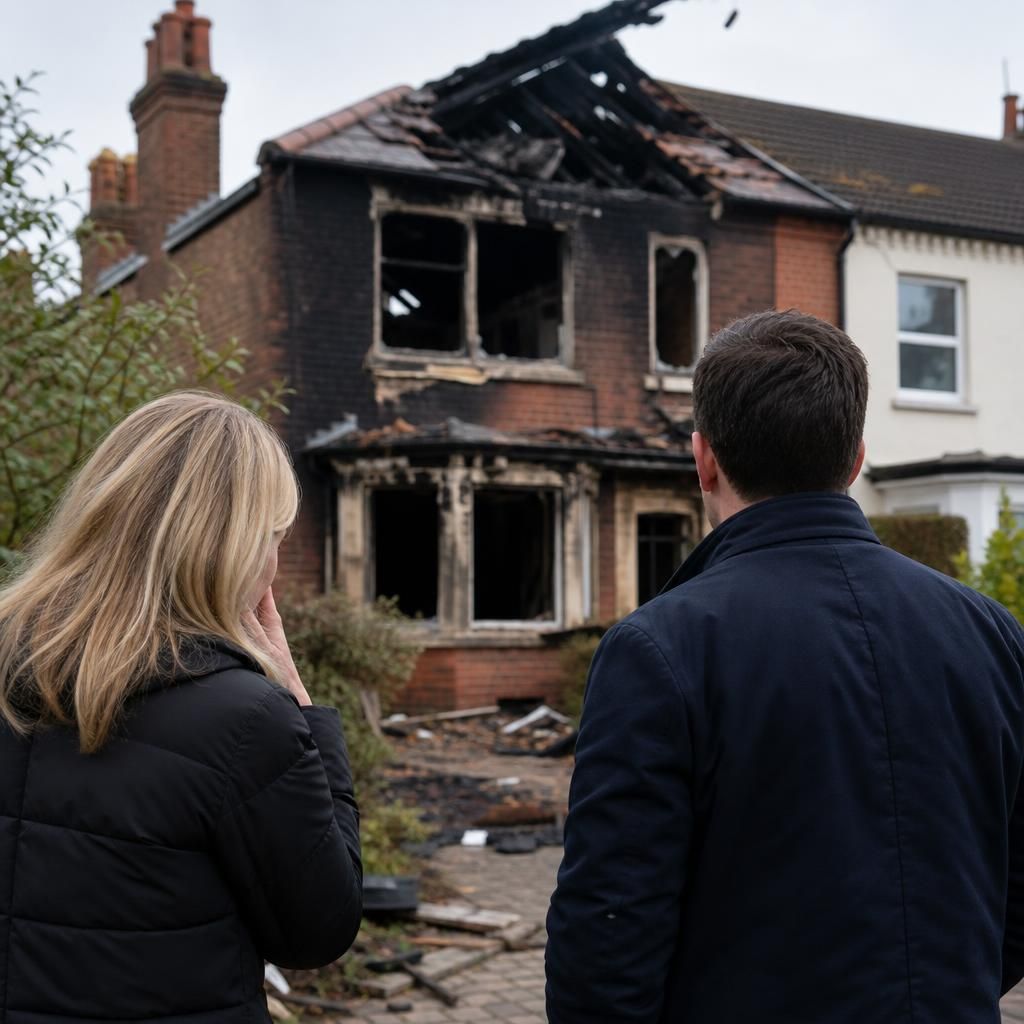
One often-overlooked risk of selling a house as-is is damage occurring between exchange of contracts and completion. A fire, flood, storm or vandalism could affect the property after the sale becomes legally binding but before ownership changes. The contract should make clear who bears this risk and what insurance arrangements apply, as the position can vary.
Do not cancel buildings insurance, remove essential services or assume the property no longer needs protection without checking with your conveyancer. Tell your insurer about any vacancy or change in occupancy, keep the property reasonably secure, and report any new damage immediately. Your solicitor can confirm what the contract requires and whether completion should be delayed or amended if the property’s condition changes.