
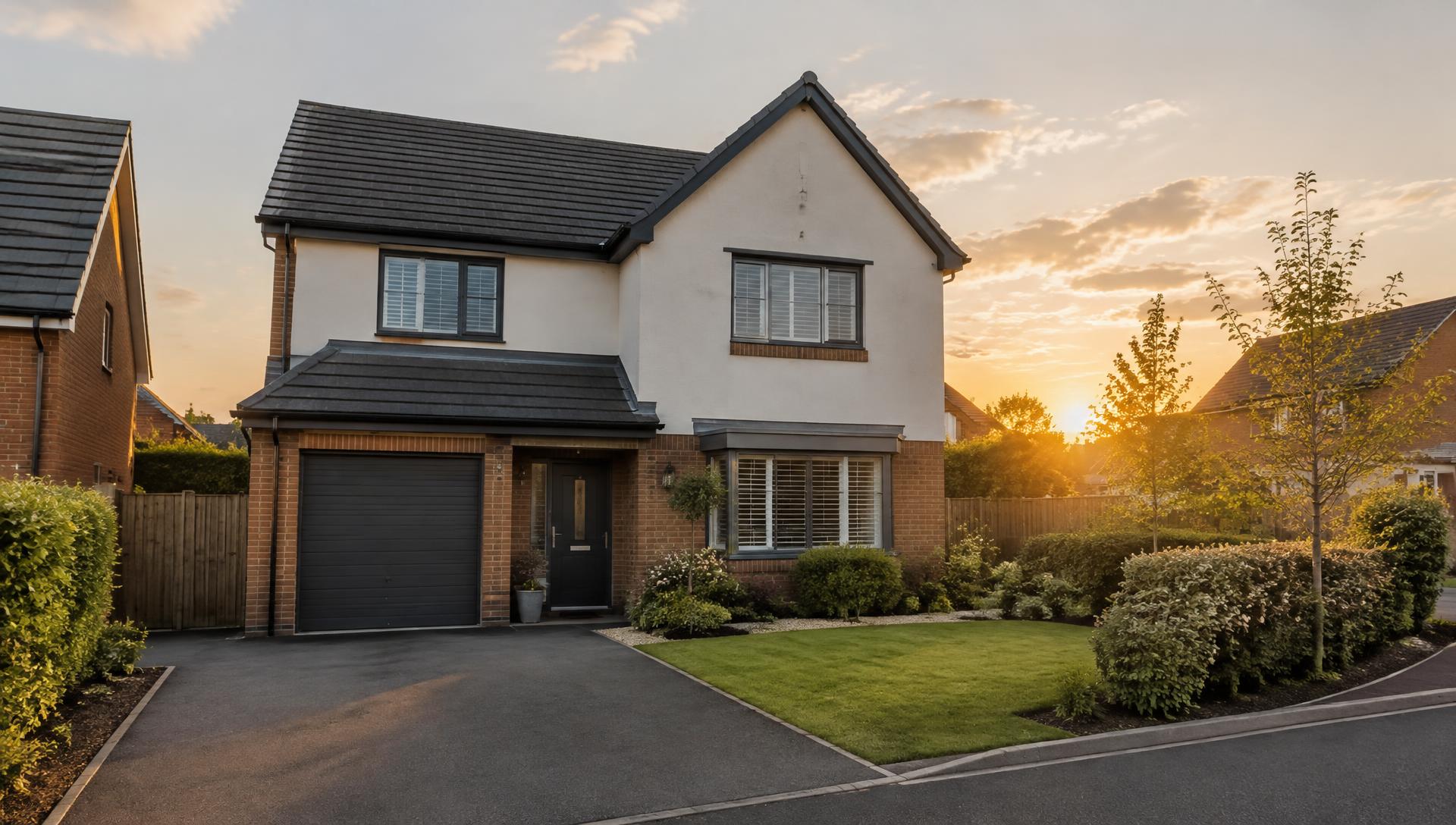
How does the condition of my property affect its valuation and sale potential when selling as-is?
When selling a property as-is, its condition directly affects both its valuation and sale potential: significant defects, required repairs and signs of neglect can reduce the price a buyer is prepared to offer and limit the pool of interested purchasers. A cash buyer will usually assess the property in its present state, taking the likely cost, risk and complexity of remedial work into account rather than requiring you to complete repairs first.
Property condition influences an as-is valuation through three main considerations: the work required, the uncertainty attached to that work and the number of buyers who can realistically purchase the property. A well-maintained home with only cosmetic shortcomings may retain broad appeal, whereas serious structural, legal or safety concerns can narrow the market and affect the price offered.
Not every defect has the same effect. Buyers generally distinguish between cosmetic issues, functional deficiencies and major defects. Outdated decoration, worn flooring or an untidy garden may affect presentation but can be relatively straightforward to address. Problems such as a defective roof, damp, subsidence, obsolete wiring, plumbing failures or significant damage require more detailed assessment. Their effect on value depends on the likely remedy, whether the cause is understood and whether specialist reports are needed.
The condition of key structural and building elements is particularly important. A buyer may examine the roof, foundations, walls, windows, damp-proofing, heating system, electrics and drainage. They may also consider asbestos, Japanese knotweed, flooding history, fire damage or contamination where relevant. The existence of a problem does not automatically make a sale impossible, but uncertainty about its extent can lead to a more cautious valuation than a clearly diagnosed and documented defect.
Condition can also affect whether a property is suitable for mortgage-funded purchasers. Some lenders may be reluctant to lend where a home is not habitable, where essential services are defective or where a material building issue has not been resolved. This can reduce the number of conventional buyers able to proceed. An as-is sale may therefore attract interest from a different group, including buyers prepared to assess the property in its current state and account for remedial work themselves.
The property’s sale potential is not determined by condition alone. Location, size, layout, tenure, local demand, comparable sales and the strength of the property’s legal documentation also matter. A home requiring extensive work may still be attractive if it has a desirable position, useful floor area or redevelopment potential. Conversely, a property in reasonable decorative condition may be harder to sell if it has an unusual layout, restrictive title or limited buyer demand.
When assessing an offer, a cash buyer may consider:
- the visible work needed to make the property safe, weatherproof and usable;
- the probable cost of materials, labour, professional reports and building control where applicable;
- the risk that opening up or repairing one defect will reveal further problems;
- the time and management involved in arranging remedial work;
- whether the property can be insured, occupied or resold in its current state;
- any effect the condition may have on resale demand and future valuation; and
- the condition of fixtures, fittings, outbuildings, access areas and boundaries as well as the main house.
A seller can improve the quality of the valuation without carrying out a full refurbishment. Provide clear information about known defects, previous surveys, guarantees, planning permissions, building regulation certificates, insurance claims and completed repairs. If a problem has been investigated, sharing the report and invoices may reduce uncertainty. It is also sensible to remove rubbish, allow access for inspection and make obvious areas visible rather than concealing them, since undisclosed issues can cause renegotiation or delay later.
Before deciding whether to repair anything, compare the likely increase in achievable price with the cost, time and risk of the work. Cosmetic improvements may help presentation, but major repairs do not always produce an equivalent increase in value. A professional valuation or independent building advice can help separate essential safety work from improvements that are mainly a matter of preference.
An as-is valuation should be understood as an assessment of the property in its disclosed present condition, rather than a promise that every defect has a fixed deduction. The final figure may change if an inspection identifies additional issues, if documents do not support what has been stated or if the legal position differs from the initial information. Full disclosure and realistic expectations give the buyer a sound basis for assessing the property and help the seller judge whether the proposed price reflects the condition and saleability of the home.
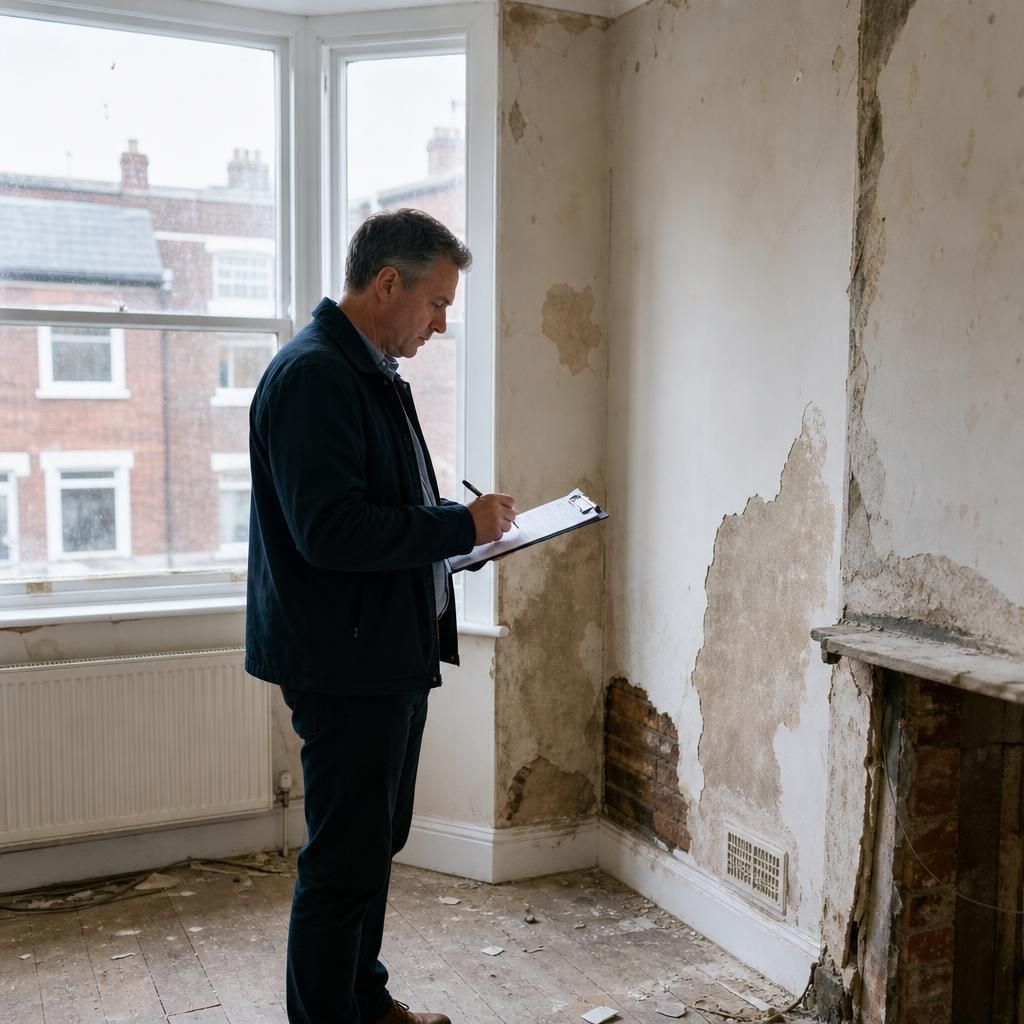
An as-is offer is not calculated by simply subtracting the estimated repair bill from the price of a refurbished home. Buyers also consider the property’s condition in relation to comparable local sales, the likely standard of the finished work and the risk that the final cost will exceed the initial estimate. This is why two properties needing similar repairs can receive different valuations.
Condition can also influence sale potential where the defect changes how the property may be used. For example, restricted access, an unusable room or damage affecting part of the building may reduce the number of practical buyers, even if the rest of the property is sound. Providing accurate details about what can and cannot be used helps a buyer assess the home on its actual characteristics rather than making assumptions that may reduce the initial offer.