
What documents and information should I prepare before selling my house as-is?
Before selling your house as-is, gather proof of identity, title and ownership documents, mortgage or loan details, property information, and records of any known defects, alterations, disputes or legal restrictions. Also prepare relevant certificates, guarantees, planning permissions, building regulation approvals and details of fixtures or items included in the sale, so the buyer and conveyancer can assess the property accurately.
Before selling a house as-is, prepare a clear conveyancing file containing the property forms, transaction details and supporting evidence that a buyer’s solicitor will need. Selling as-is describes the condition agreed for the sale; it does not remove the need to answer enquiries accurately or provide information required by law and the conveyancing process.
Complete the relevant property information forms
Your conveyancer will usually ask you to complete a property information form, commonly known as a TA6. It covers practical matters such as boundaries, access, parking, drains, utilities, notices, insurance claims, disputes and environmental issues. Answer every question carefully. If you do not know the answer, say so rather than guessing, and explain where further information may be available.
If the property is leasehold, you may also need a leasehold information form, commonly known as a TA7. Gather the lease, details of the freeholder and managing agent, service-charge and ground-rent statements, planned major works, building insurance information and any requirements for registering a new owner. A management information pack may also be requested, and obtaining it can involve a charge from the managing agent.
A contents and fixtures form, often called a TA10, records what is included in the agreed price. List items such as built-in appliances, light fittings, curtains, garden structures, satellite dishes and freestanding furniture, and identify anything that will be removed. The written form should match the sale particulars and any later agreement.
Organise evidence for answers given
Supporting documents can reduce follow-up enquiries and help resolve inconsistencies. Depending on the property, useful records may include:
- planning decision notices, approved plans and completion certificates for extensions, loft conversions or changes of use;
- electrical, gas, heating, window, roofing or damp-related reports where they exist;
- invoices, guarantees and warranties for building work, appliances or treatment work;
- party-wall agreements, boundary agreements, rights of way documents and correspondence about access;
- environmental, flood-risk, subsidence or contamination reports;
- insurance claim correspondence and details of remedial work; and
- letters from the council, freeholder, management company or other authority concerning the property.
Do not commission reports solely to make the property appear more attractive. The purpose is to provide reliable information and disclose relevant matters. A buyer may still arrange an independent survey, and an as-is sale does not prevent the buyer from investigating the property.
Prepare financial and practical information
Give your conveyancer an up-to-date statement for each mortgage or secured loan, together with details of any other charge registered against the property. Ask how the balance, repayment administration and discharge of the charge will be dealt with at completion. If there are arrears, enforcement correspondence or a risk that the sale proceeds may not cover the secured debt and selling costs, raise this at the outset so the legal and financial position can be assessed.
Also prepare the details needed for completion and handover, including the property’s council tax reference if available, utility suppliers and meter arrangements, alarm instructions, parking permits, keys, fobs and access codes. These items do not replace the legal documents, but they help the transaction proceed in an orderly way.
Check ownership and occupier information
Tell your conveyancer who currently lives at the property, whether anyone has a right to occupy it and whether any tenant, lodger or other occupier will remain or leave before completion. Tenancy agreements, deposit information, rent statements and notices may be relevant where the property is rented. An adult occupier who is not an owner may need to provide separate consent or documentation before completion.
Confirm that the names and addresses used across the sale documents are consistent. Differences caused by marriage, divorce, a change of name or a previous address may require evidence before the sale can complete. Where an owner has died, the personal representative should provide the probate or administration documents requested by the conveyancer, together with any further evidence needed to establish authority to sell.
Keep the information accurate throughout the sale
Review your answers before signing and tell your conveyancer if anything changes. A new leak, notice, dispute, damage, alteration or agreement affecting the property may need to be disclosed even if it arises after the initial forms were completed. Keep copies of everything submitted, record when documents were sent and avoid relying on informal verbal explanations where a written clarification would be clearer.
It is sensible to send the file to your conveyancer in an organised format, separating ownership documents, property forms, works and certificates, leasehold papers, financial information and correspondence. They can confirm which documents apply to your circumstances, identify gaps and explain whether additional evidence is needed before the buyer’s legal enquiries are answered.
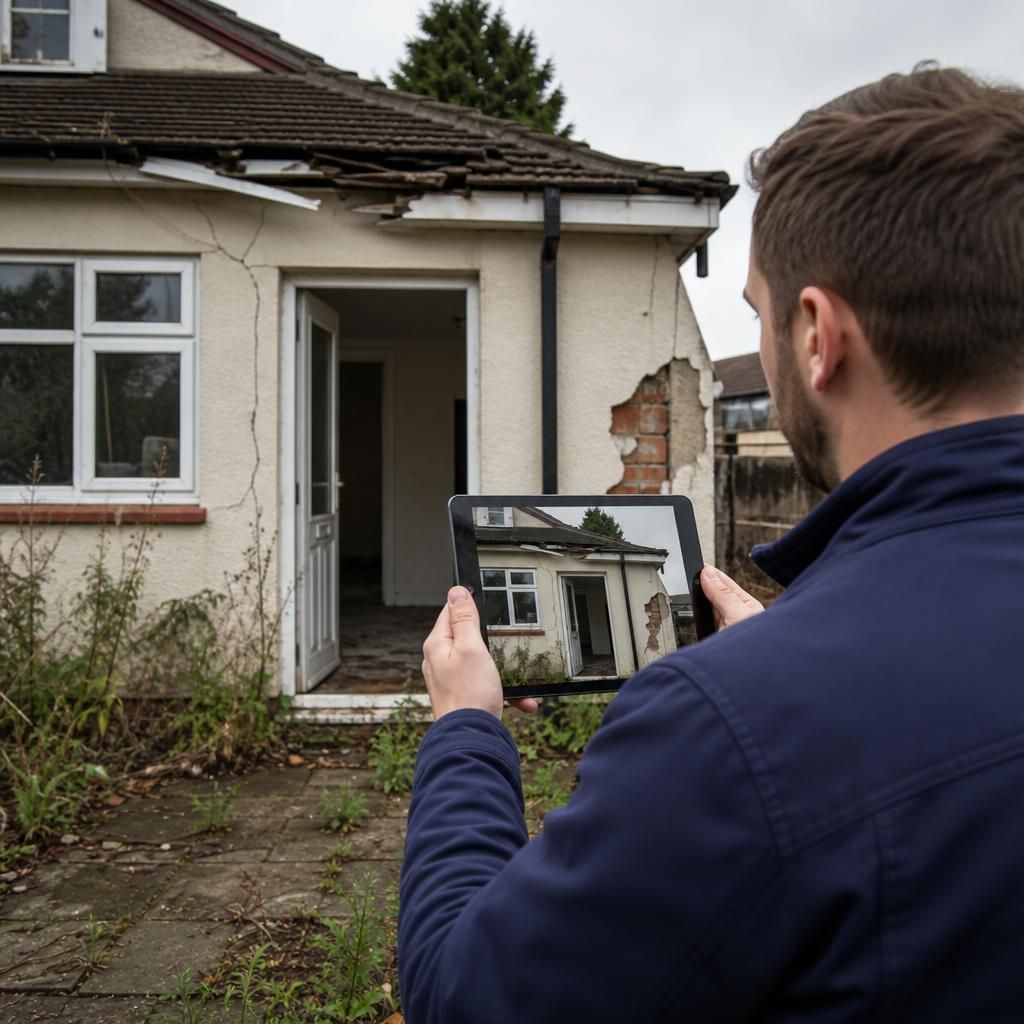
Prepare a dated visual record of the property’s current condition, particularly where defects are difficult to describe in writing. Photographs can show areas such as roof damage, damp staining, unfinished work, damaged fixtures or overgrown external spaces, while any existing quotations or written assessments can provide useful context.
Label each photograph clearly and keep the original files with the rest of your sale records. This information does not replace the property forms, title documents or the buyer’s own inspection, but it can help ensure that discussions about the agreed as-is condition are based on an accurate record.