

What types of properties are considered complex in fast cash sales?
Complex properties are homes whose legal status, condition, ownership or circumstances make a conventional sale harder to arrange. Examples include probate properties, homes facing repossession, those with mortgage arrears, disputed ownership, tenancy issues, structural defects, significant damage or planning complications.
In fast cash sales, a complex property is one that requires more investigation, specialist work or legal coordination than a straightforward, vacant home in standard condition. Complexity may arise from the building itself, the title, the way the property is occupied, its planning history or the circumstances surrounding the sale.
Properties with unusual construction may be treated as complex because mainstream lenders, insurers and surveyors can apply additional requirements. Examples include homes built with non-standard materials, converted buildings, prefabricated structures, listed buildings and properties with unusual extensions or alterations. The construction type does not automatically prevent a cash sale, but it can affect the survey, resale prospects, insurance position and estimated cost of remedial work.
Properties requiring substantial renovation can also fall into this category. This may include homes without a functioning kitchen or bathroom, buildings with fire or flood damage, serious damp, unsafe electrics, damaged roofs, subsidence concerns or incomplete refurbishment. A property may be considered complex even where the defects are repairable, particularly if the full scope of work cannot be established through a standard viewing.
Homes with title or access complications need careful review before a transaction can proceed. Potential examples include missing deeds, unclear boundaries, restrictive covenants, ransom strips, rights-of-way disputes, absent easements and land registered separately from the house. Access issues can be particularly important where a property can only be reached over privately owned land or where shared driveways and maintenance responsibilities are disputed.
Leasehold and shared-ownership properties may involve additional parties and documents. Unpaid service charges, a short lease, permission requirements, complicated management arrangements or restrictions on assignment can all influence the sale. Shared-ownership homes may require the housing provider to follow its own procedures, while some leasehold sales require information from a managing agent or freeholder.
Occupied or tenanted properties can be complex when the buyer cannot obtain vacant possession immediately. The tenancy agreement, rent position, deposit records, licensing status and any notices served may need to be examined. A property occupied by unauthorised residents, extended family members or former tenants can create different legal and practical issues from a home occupied under a clearly documented tenancy.
Properties with planning or building-regulation uncertainty include homes where extensions, loft conversions, changes of use or other works were carried out without clear approvals. Missing completion certificates, enforcement notices, lawful-development questions and breaches of planning conditions may affect both valuation and the steps needed before completion. A cash purchase does not remove the need to identify material planning or building-control matters.
Mixed-use and unusual-purpose buildings may require a different assessment from a conventional house. Examples include a flat above commercial premises, a former business converted into residential accommodation, a home with a workshop, or a property subject to an agricultural or occupational restriction. The permitted use, access arrangements, environmental risks and potential future use may all need checking.
Properties affected by environmental or location issues can present additional complexity. Flood risk, contaminated land, Japanese knotweed, mine workings, coastal erosion, nearby infrastructure or difficult vehicle access may affect insurability, repair costs and future demand. These matters are normally considered alongside survey information and any available environmental searches.
Complexity is assessed individually rather than by property type alone. A small defect may be straightforward to resolve, whereas an apparently sound home can be difficult to sell if ownership, access or occupancy is unclear. The relevant information usually includes title documents, planning records, tenancy paperwork, building reports, guarantees, notices and details of any secured lending or disputes.
Homeowners should disclose known issues accurately and gather supporting documents before seeking a valuation. A cash sale may reduce reliance on mortgage finance, but it does not bypass identity checks, proof of ownership, conveyancing, contract requirements or the buyer’s need to understand legal and physical risks. The more complete the information, the more reliably the property’s condition and saleability can be assessed.
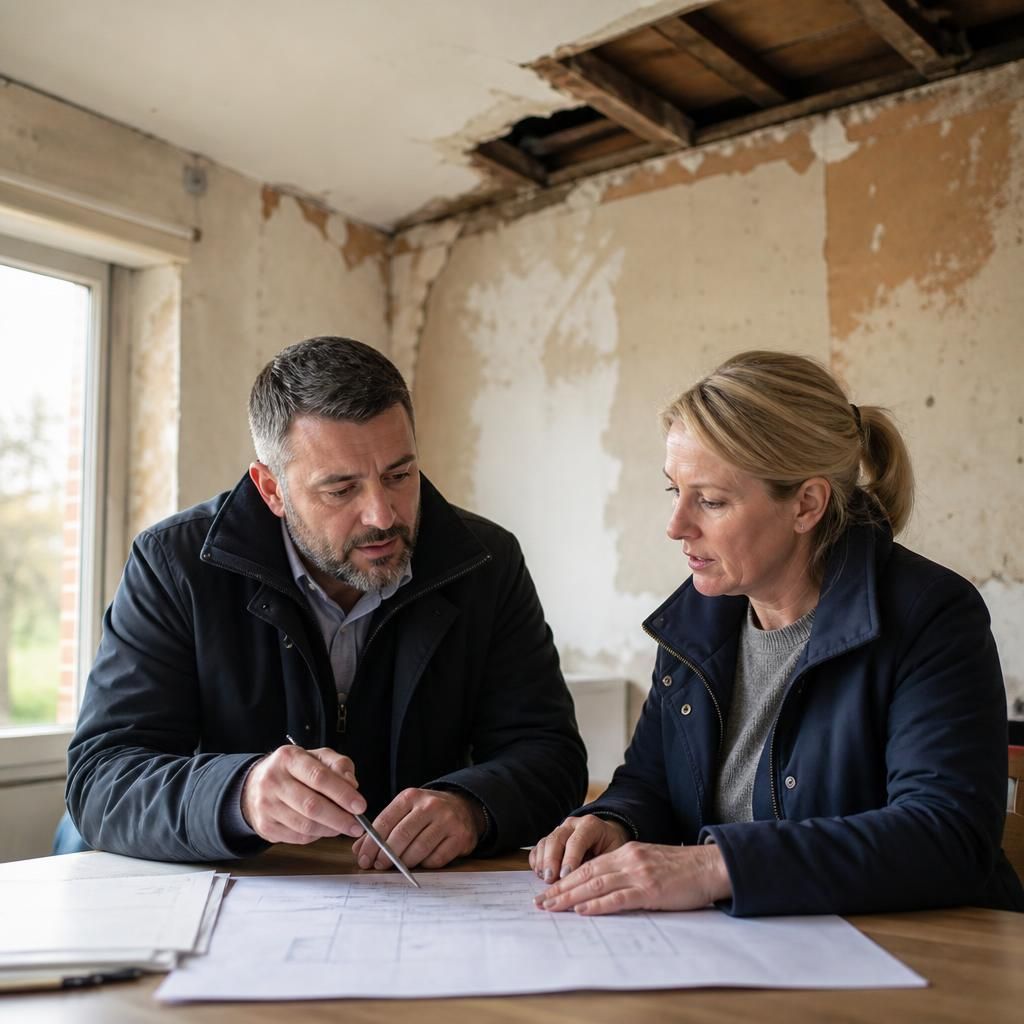
Complexity can depend on the buyer’s intended use and risk assessment. A property that is difficult for a mortgage-funded purchaser may still suit a cash buyer with the experience and resources to manage refurbishment, legal investigation or a non-standard resale. Conversely, a relatively sound home may attract closer scrutiny if its future use, insurance position or resale market is uncertain.
This means the same property can receive different assessments from different buyers. The relevant question is not only what is wrong with the building, but whether the issue can be understood, costed and managed within the proposed transaction. Clear information about the property’s history, restrictions and condition helps distinguish a manageable complication from a matter that could prevent a sale.