

What steps should I take to prepare for a cash valuation of my property?
To prepare for a cash valuation of your property, gather key documents, confirm the ownership and legal position, and provide accurate details about the property’s condition, improvements and any outstanding issues. Clear information about factors such as probate, leasehold terms, mortgage arrears or required repairs helps the cash buyer assess the property and make an informed offer.
Preparing for a cash valuation means giving the buyer a clear, accurate picture of the property and deciding in advance which sale terms matter to you. Good preparation helps the buyer assess the property consistently, reduces avoidable follow-up questions and makes it easier for you to judge whether the proposed offer is suitable.
1. Decide what you need from the sale
Before requesting a valuation, establish your preferred timescale, whether you need to remain in the property for a period after completion, and whether there are any practical conditions affecting the sale. If the property is connected with a divorce, probate, arrears or another legal matter, identify who has authority to approve the transaction and whether other parties need to be involved.
Also consider whether your priority is the highest possible price, a straightforward transaction, certainty over the sale, or a particular completion arrangement. These priorities can affect how you assess an offer. A cash proposal should be considered alongside its conditions, deductions and proposed timescale rather than by looking at the headline figure alone.
2. Prepare a factual property summary
Write down the details a buyer will need to understand the property without relying on memory during a call or inspection. Include:
- the property type, approximate age and layout;
- the number and use of bedrooms, bathrooms and other significant rooms;
- the size and boundaries of the garden, parking area or outbuildings;
- any alterations, extensions or conversions;
- known problems affecting the structure, services, access or use of the property;
- whether the property is occupied, empty or rented; and
- any unusual feature that could affect demand or resale prospects.
Accuracy is more useful than presenting the property in the most favourable terms. If information is uncertain, say so and explain what is known. An undisclosed issue found later can lead to renegotiation, delay or a review of the proposed terms.
3. Separate essential repairs from cosmetic work
Make a brief list of repairs or maintenance concerns, distinguishing between matters that affect safety or habitability and minor cosmetic defects. Examples may include roof problems, damp, subsidence concerns, outdated electrics, plumbing faults, damaged windows or defective heating.
Do not carry out expensive improvements solely to influence a cash valuation without first considering whether they are likely to add equivalent value. A buyer may price the property on its existing condition and intended resale or refurbishment costs. Basic cleaning, removing unnecessary clutter and ensuring that rooms and external areas can be inspected may be sensible, but this is different from undertaking major works before the valuation.
4. Make the property easy to inspect
Ensure that the buyer or valuer can access the loft, cellar, garage, outbuildings, meters, boiler and other relevant areas. Unlock rooms that are normally unused and keep access routes clear. If a part of the property cannot be inspected, explain why and provide any relevant information available.
Photographs can help give an initial overview, particularly where an in-person inspection is not the first stage. Use recent images that show the rooms, exterior, garden and any defects clearly. Avoid relying only on wide-angle or heavily edited photographs, as they may create an inaccurate impression of size or condition.
5. Check the sale position before discussing terms
Confirm whether there are other owners, occupiers, tenants, beneficiaries, secured lenders or people with an interest in the property. Where consent or cooperation is required, identify this at the outset. For a leasehold property, review practical matters such as the remaining lease term, service charge position, ground rent provisions, restrictions and any planned major works. These matters can affect both the valuation and the ability to complete.
If there is an existing mortgage or another charge, establish the approximate amount needed to settle it and whether there are any early repayment charges. The buyer will usually need the relevant information during the conveyancing process, while you need to understand whether the eventual sale proceeds will cover the amounts due.
6. Understand what the valuation represents
A cash valuation is generally an assessment based on the property’s location, condition, title position, likely resale prospects and the costs and risks associated with buying it. It is not necessarily the same as an estate agent’s marketing appraisal or a formal survey. Ask whether the figure is indicative or subject to inspection, legal checks, valuation evidence or other conditions.
Request a clear explanation of any proposed deductions, including costs linked to repairs, leasehold issues, clearance, legal matters or finance. Ask whether the figure is the amount offered for the property or whether further charges could be deducted before completion. Written terms are important because verbal estimates can change when more information becomes available.
7. Compare the offer on a net and practical basis
When reviewing the result, compare the expected net proceeds and conditions rather than simply comparing the headline valuation with an advertised asking price. Consider whether the offer is conditional, how long it remains open, who pays which transaction costs, and what happens if the buyer’s checks identify a problem.
Read any agreement carefully before signing. Check for exclusivity provisions, withdrawal charges, upfront fees, restrictions on speaking to other parties and clauses allowing the price to be changed. If the wording is unclear or the transaction involves complex circumstances, obtain independent advice from a suitably qualified property solicitor or conveyancer.
Finally, keep a written record of the information supplied, the valuation explanation and any changes to the proposed terms. Providing consistent information and checking the legal and financial implications of the offer will leave you better placed to decide whether the cash sale is appropriate for your circumstances.
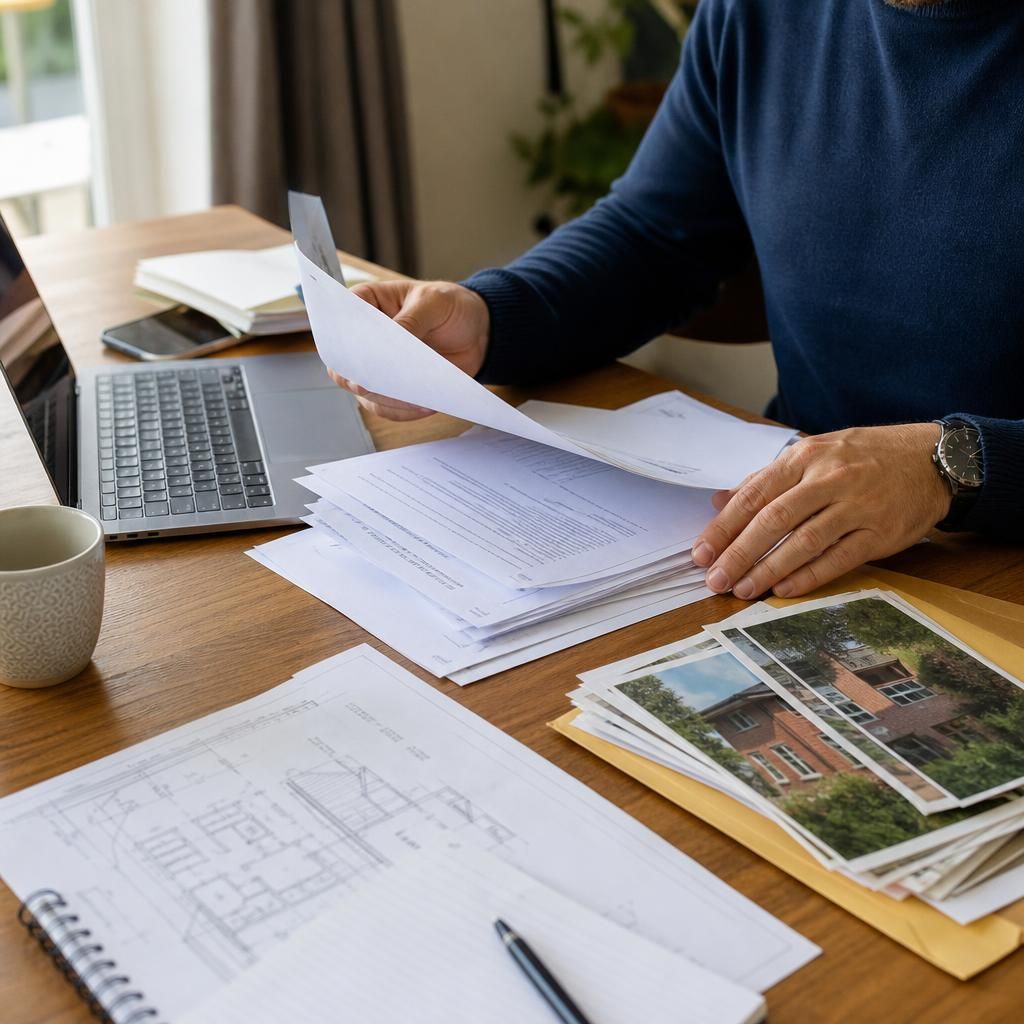
Collect supporting evidence for any work carried out on the property before the cash valuation. Documents such as planning permissions, building regulations certificates, completion certificates, guarantees and invoices can help confirm that extensions, conversions or structural changes were authorised and completed properly.
Also note any work that is still awaiting approval, any conditions attached to a consent, and whether guarantees can be transferred to a buyer. Presenting this information with the property details gives the valuer a clearer view of the property’s legal and physical position and may reduce uncertainty during later checks.