

How can I verify the credibility of the cash buyer offering an instant cash deal for my property?
Verify the cash buyer’s legal identity, company registration, trading history, reviews and proof of funds before accepting an offer. Have an independent conveyancer review the contract, check for fees or third-party involvement, and confirm that the agreed price and completion terms are clearly documented.
A credible cash buyer should be transparent about who is making the offer, how the transaction will be conducted and what could cause the terms to change. Verification should therefore cover the buyer’s behaviour and process as well as the information supplied at the start.
Ask whether the buyer is purchasing the property as the principal or arranging a buyer through another party. This distinction can affect the transaction structure, the people involved and the point at which responsibility for completing the purchase is established. The name shown on the offer should match the party expected to sign the contract and transfer the purchase funds.
Review the proposed paperwork carefully rather than relying on verbal assurances. Look for:
- the full names of the parties and the property address;
- the agreed purchase price and any circumstances that could alter it;
- the deposit arrangements, if a deposit is mentioned;
- the proposed exchange and completion arrangements;
- any conditions, exclusivity clauses or withdrawal rights;
- the treatment of fixtures, contents and outstanding issues affecting the property.
Terms that allow the buyer to reduce the price late in the process, withdraw without a clear reason or require you to sign before receiving proper advice deserve particular scrutiny. A credible buyer should allow you to understand the agreement and raise questions without applying pressure.
Use your own conveyancer rather than relying solely on documents or explanations supplied by the buyer. Your conveyancer can check the sale contract, explain legal obligations, identify unusual clauses and confirm how completion is intended to take place. They can also advise on matters such as restrictions on the title, probate authority, leasehold requirements or possession arrangements where these affect the sale.
Check that communications remain consistent throughout the process. Changes to the proposed purchaser, payment instructions, price or completion arrangements should be explained in writing and verified through a trusted contact route. Do not send money to an unfamiliar account merely because an email or message appears to come from someone involved in the sale. Confirm bank details independently with your conveyancer before making or authorising any payment.
It is normal for a legitimate transaction to involve identity and anti-money-laundering checks. However, sensitive documents should be requested through a secure and identifiable process. Be cautious if someone asks for unnecessary personal information, access to online banking, passwords or payment-card details. A request for these items is not a normal way to establish that a property purchase is genuine.
Consider how the buyer handles questions and complaints. Before signing, ask for a written explanation of the transaction stages, the person responsible for your file and the procedure for resolving a dispute. Evasive answers, unexplained delays in supplying paperwork, repeated changes to the contact person or pressure to use a particular adviser can all justify pausing the transaction and taking independent advice.
Finally, compare the offer with the property’s likely market value and the risks of the proposed terms, not just the headline figure. An apparently attractive cash offer may be less suitable if it contains restrictive conditions or leaves important costs and responsibilities unclear. Verification is complete only when you understand who is buying, what you are agreeing to, how the funds will reach you and what happens if either party does not proceed.
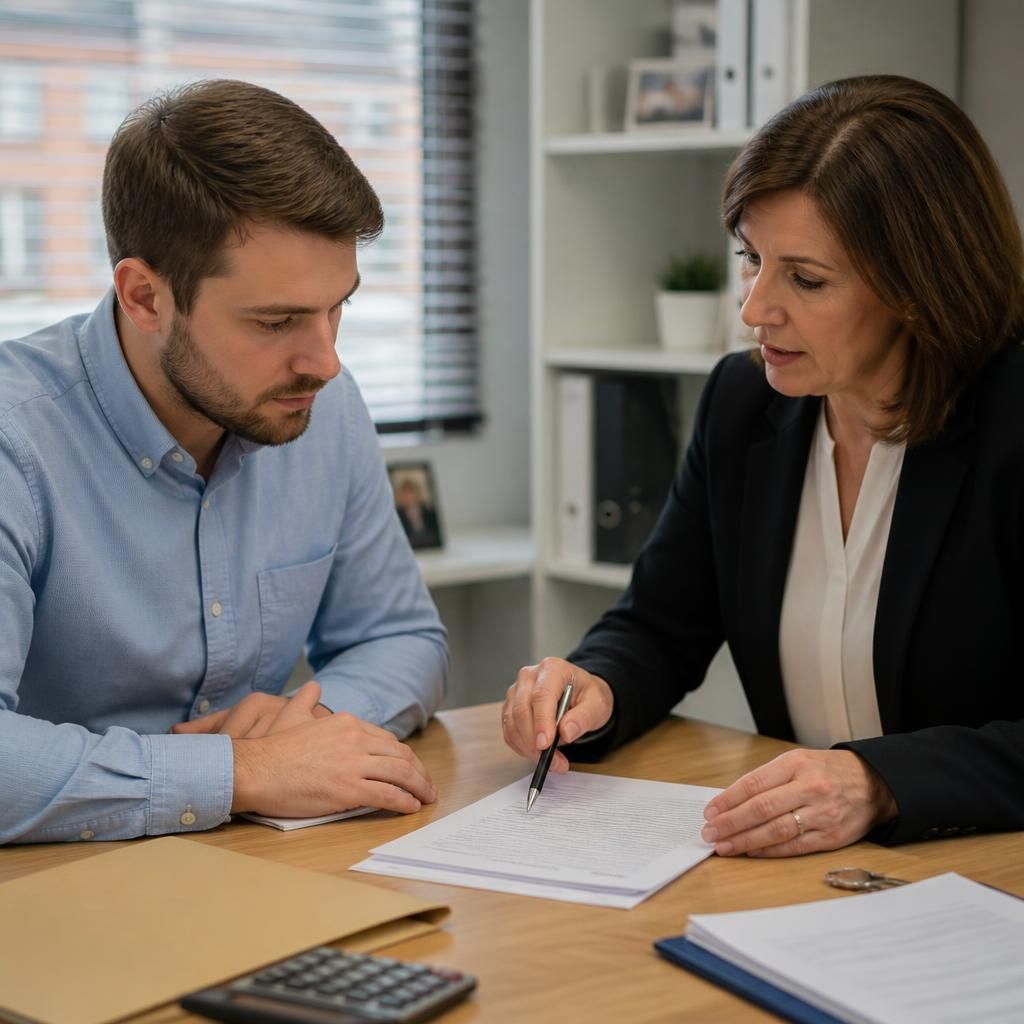
Confirming the source and route of the purchase funds is an important part of verifying a cash buyer. The buyer should be able to explain whether the money comes from its own business funds, private investors or another identified source, and why the proposed purchaser matches the party providing the funds.
Do not accept unexplained payments from a third party or agree to pass money on to someone else. This can create legal, tax and money-laundering risks, even if the sale itself appears genuine. Ask your conveyancer to confirm that the payment structure is consistent with the contract and that completion funds will be transferred through the proper legal process. A credible buyer should provide a clear explanation without asking you to conceal the identity of the funder or alter the transaction documents.