

What steps should I take to prepare my property before accepting an instant cash offer?
Before accepting an instant cash offer, gather your property documents, confirm ownership details, disclose any known legal or structural issues, and remove personal belongings so the buyer can assess the sale accurately. Review the offer and its conditions carefully, and obtain independent legal advice if you are unsure about the agreement or completion arrangements.
Prepare for an instant cash offer by establishing your sale requirements, organising practical access to the property, confirming what is included in the transaction, and checking any financial or occupancy arrangements that could affect completion. Good preparation gives the buyer accurate information and helps you identify conditions that need resolving before you commit.
1. Decide what you need from the sale
Before discussing an offer, clarify your preferred completion date, whether you need to remain in the property after completion, and whether any belongings or fixtures must stay. Make a written list of your requirements so you can compare them with the proposed arrangements rather than concentrating only on the headline price.
Consider whether the property will be sold with vacant possession. If tenants, lodgers or other occupiers are present, establish the basis on which they will leave and check whether any tenancy obligations apply. Tell the conveyancer about these arrangements at the outset, as occupancy can affect the transaction.
2. Make the property accessible for assessment
Arrange suitable access to every relevant part of the property, including loft spaces, garages, outbuildings, gardens, cellars and communal areas where applicable. Identify how the buyer or surveyor can enter, and gather all available keys, fobs, alarm details and access codes. Clear blocked routes and ensure utilities can be inspected safely, but do not carry out major improvements solely to influence a cash offer unless they are necessary for safety or compliance.
Keep essential services connected while the sale is progressing where possible. Electricity, gas, water, heating and drainage may need to be checked during inspections or before completion. Record meter locations and take readings when you leave. You should also arrange appropriate buildings insurance until ownership has legally transferred.
3. Confirm what will remain at the property
Create a simple inventory covering fitted appliances, freestanding appliances, light fittings, curtains, garden items, sheds and other fixtures. Mark anything that will be removed before completion. This avoids disagreement about whether an item formed part of the agreed sale and helps you plan removal, storage or disposal.
Deal with unwanted contents in advance. Arrange collection, storage or disposal for furniture, rubbish and personal items, particularly if the agreement requires the property to be left clear. If you are responsible for clearing an inherited or tenanted property, allow time to identify items that must not be discarded.
4. Check mortgage and other financial arrangements
Ask your lender for an up-to-date redemption statement and check whether early repayment charges, exit fees or additional interest could apply. The amount needed to repay borrowing may differ from the balance shown on a recent statement. Compare the expected net proceeds with the amount required to redeem the mortgage and settle any secured borrowing.
Identify other sums that may need to be paid from the sale, such as service-charge or ground-rent arrears, rent owed under a tenancy arrangement, management fees or agreed removal costs. Raising these points early gives your conveyancer time to establish the correct figures and prevents avoidable completion complications.
5. Give extra attention to leasehold and managed properties
If the property is leasehold, establish the current service charge, ground rent, insurance contribution and any planned major works. Find out whether the freeholder or managing agent requires a sales pack, notice, certificate or transfer fee. These requirements can take time to obtain, so identifying them before accepting an offer is useful.
For flats and properties affected by communal management, check whether parking spaces, storage areas, access rights or separate leases are included. Make sure the buyer understands which parts of the property are being transferred and which are subject to shared rules.
6. Prepare for conveyancing and identity checks
Choose a conveyancer who regularly handles residential sales and tell them that the proposed transaction involves a cash buyer. They will still need to verify your identity, establish your authority to sell and complete the usual legal work. If there are multiple owners, confirm that everyone agrees with the sale and can sign the required documents.
Where the property is owned by an estate, trust or company, establish who has authority to sign and whether additional evidence is required. For a jointly owned home, check how the ownership is held and discuss any disagreement between owners with an independent solicitor before committing to the transaction.
7. Check the practical move-out plan
Book removals, storage or cleaning only after the proposed dates are sufficiently clear, but obtain estimates early if the sale is intended to be completed promptly. Plan for the transfer or cancellation of broadband, utilities, council tax and postal deliveries. Keep important paperwork, medicines, valuables and documents separate from items being removed or left behind.
On the day you vacate, take final meter readings, remove all agreed belongings, secure the property and hand over every relevant key. Keep evidence of the condition in which the property was left if the agreement includes specific clearance or handover requirements.
8. Check the offer is based on complete information
Give the buyer a clear account of the property’s tenure, occupancy, access arrangements, included items and any known financial or management obligations. An instant cash offer is only meaningful when its assumptions are clear. Ask which conditions could change the figure, what could delay completion and whether any deduction is expected from the agreed price.
Before signing, calculate the likely amount you will receive after mortgage redemption, conveyancing charges and other agreed deductions. If the figures or proposed arrangements are unclear, pause and obtain independent advice. Preparation is not about making the property look perfect; it is about ensuring that the buyer, conveyancer and seller are working from the same accurate information.
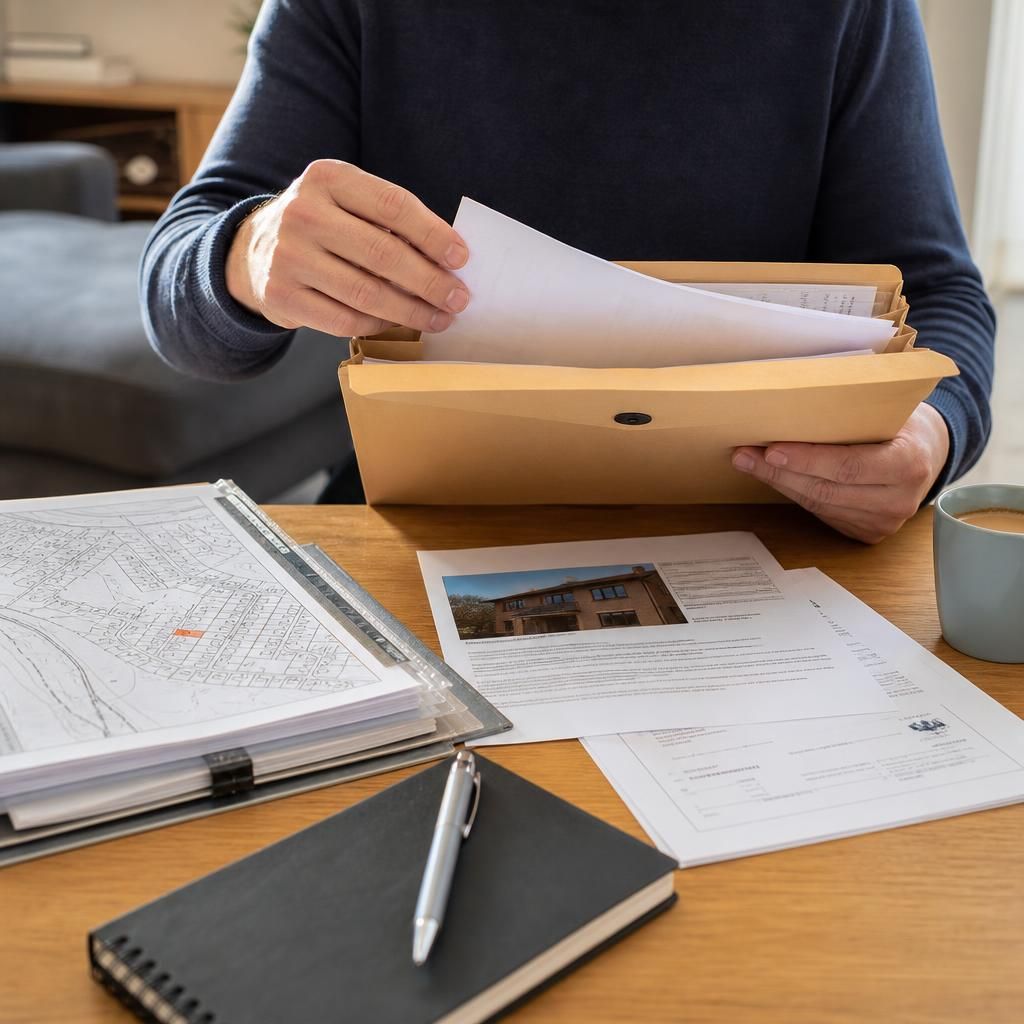
Preparing evidence of the property’s legal and planning history can help prevent questions during conveyancing. Gather the title register and plan, guarantees for relevant works, planning permissions, building regulations certificates and documents relating to extensions, conversions or alterations. If you know of boundary disputes, restrictive covenants, rights of way, enforcement notices or other matters affecting the property, tell your conveyancer and the buyer accurately rather than assuming they will not be discovered.
Where paperwork is missing, identify this early so your conveyancer can advise on the available evidence or any remedial steps. Accurate information allows the proposed cash offer to be assessed against the property’s actual circumstances and reduces the risk of revised terms or delays caused by unanswered legal enquiries.