

What types of properties can be sold quickly for cash?
A wide range of residential properties can be sold quickly for cash, including houses, flats, bungalows, leasehold and freehold homes, and properties requiring significant repairs. Cash buyers may also consider occupied or tenanted properties and homes affected by probate, divorce, mortgage arrears, repossession concerns or legal complications.
Properties that can be sold quickly for cash are not limited to standard, mortgage-ready homes. A cash purchase may be suitable for residential property with condition, occupancy, title or planning issues that could make a conventional sale slower, provided the buyer is satisfied with the legal and practical risks.
Examples may include:
- Homes needing substantial renovation: Properties with outdated services, damaged roofs, damp, structural movement, fire damage or incomplete refurbishment may still be considered. A cash buyer assesses the cost and risk of the work rather than relying solely on the property being ready for occupation.
- Uninhabitable or difficult-to-insure homes: A property without a functioning kitchen, bathroom, heating system or adequate utilities can be harder to finance through a mortgage. Specialist cash purchasers may assess these properties using their own criteria.
- Non-standard construction: Buildings made with unusual materials or construction methods can attract fewer conventional buyers because mortgage lenders and surveyors may require additional evidence. The construction type, condition and insurability will usually need careful review.
- Properties with planning or building-control matters: Extensions, conversions, loft rooms and outbuildings without clear planning permission or completion certificates can create uncertainty. A sale may still be possible, but the buyer’s solicitor will need to investigate whether the work can be regularised or what risk it creates.
- Homes with title complications: Missing deeds, unclear ownership, restrictive covenants, boundary disputes, rights of way and unresolved charges can delay a transaction. These issues do not automatically prevent a cash sale, but they must be identified and addressed during conveyancing.
- Partly converted or unfinished properties: A house that is midway through renovation, divided into separate accommodation or awaiting final certification may appeal to a buyer prepared to take on the remaining work.
- Properties affected by damage or environmental issues: Flood damage, subsidence concerns, Japanese knotweed or other survey findings can reduce the pool of conventional purchasers. Independent reports and specialist legal advice may be needed before terms are agreed.
Property type alone does not determine whether a fast cash sale is practical. The buyer will normally consider ownership, title, access, occupancy arrangements, outstanding finance, planning history, the property’s physical condition and any restrictions affecting its use. A clear legal title and complete information generally make assessment more straightforward, while unresolved issues may lead to further enquiries, revised terms or a decision not to proceed.
Some properties also need a different valuation approach. A home requiring major works may be assessed against its likely value after renovation, less the estimated cost, risk and time involved. This can produce an offer below the price that might be sought for a fully refurbished property. Comparing the proposed terms with an independent valuation can help a seller understand whether the convenience of a cash transaction reflects the property’s condition and circumstances.
Cash does not remove the need for a proper legal process. The seller’s identity and authority to sell must be verified, ownership and charges checked, and the contract reviewed before exchange. Where there is a mortgage, court order, dispute or other financial liability, the sale proceeds must be sufficient to deal with it or the relevant parties must agree how it will be resolved.
Before requesting an assessment, it is useful to gather title information, planning and building-control documents, details of alterations, tenancy or occupancy agreements where relevant, mortgage statements and records of known defects. Being accurate about the property’s condition and legal position helps the buyer evaluate the correct type of transaction and reduces the risk of delays caused by unexpected information later in the process.
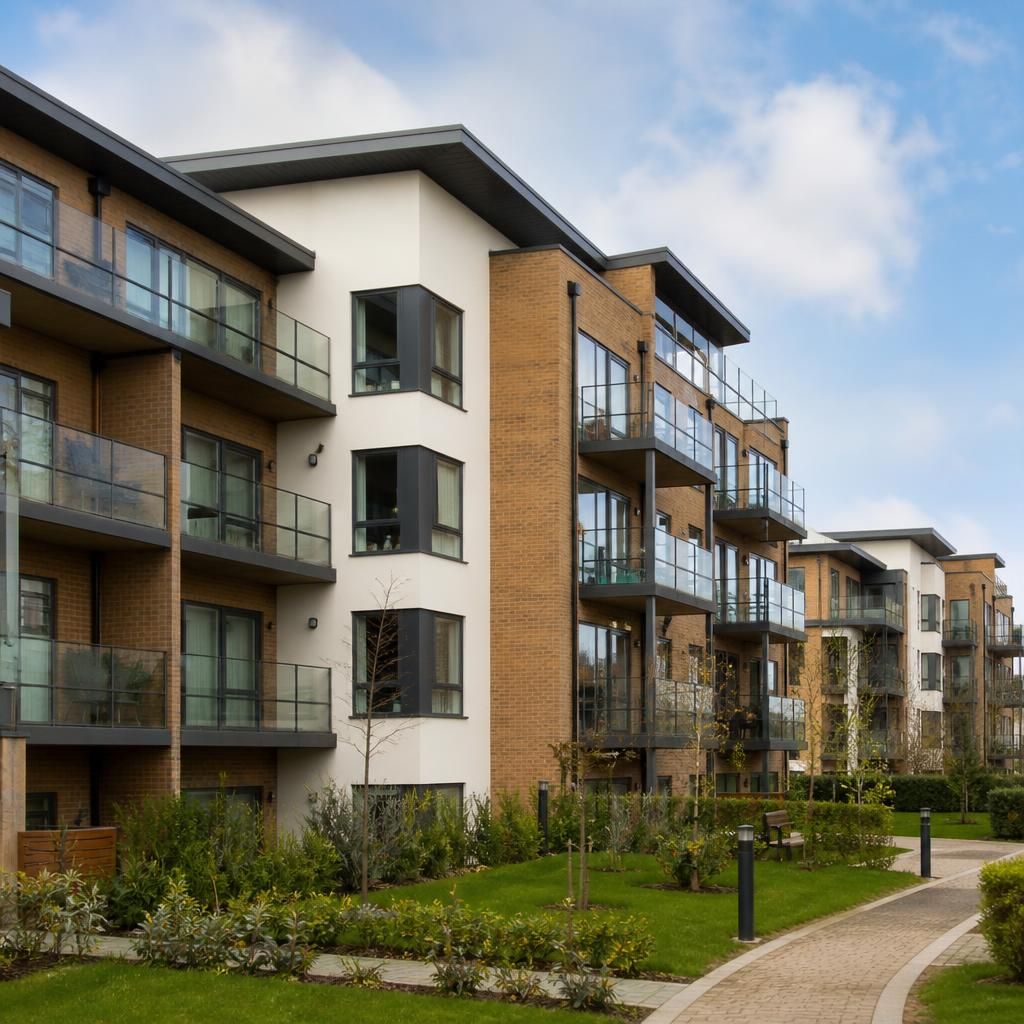
Leasehold properties with a short remaining lease can sometimes be sold for cash, although they require more detailed assessment than a standard leasehold home. The buyer may review the unexpired lease term, ground rent, service-charge position, planned major works and any consent requirements affecting the property.
These factors can influence both whether the property is acceptable and how it is valued. Supplying the lease, recent service-charge accounts and details of any notices from the freeholder or managing agent can help establish the position before terms are considered.