
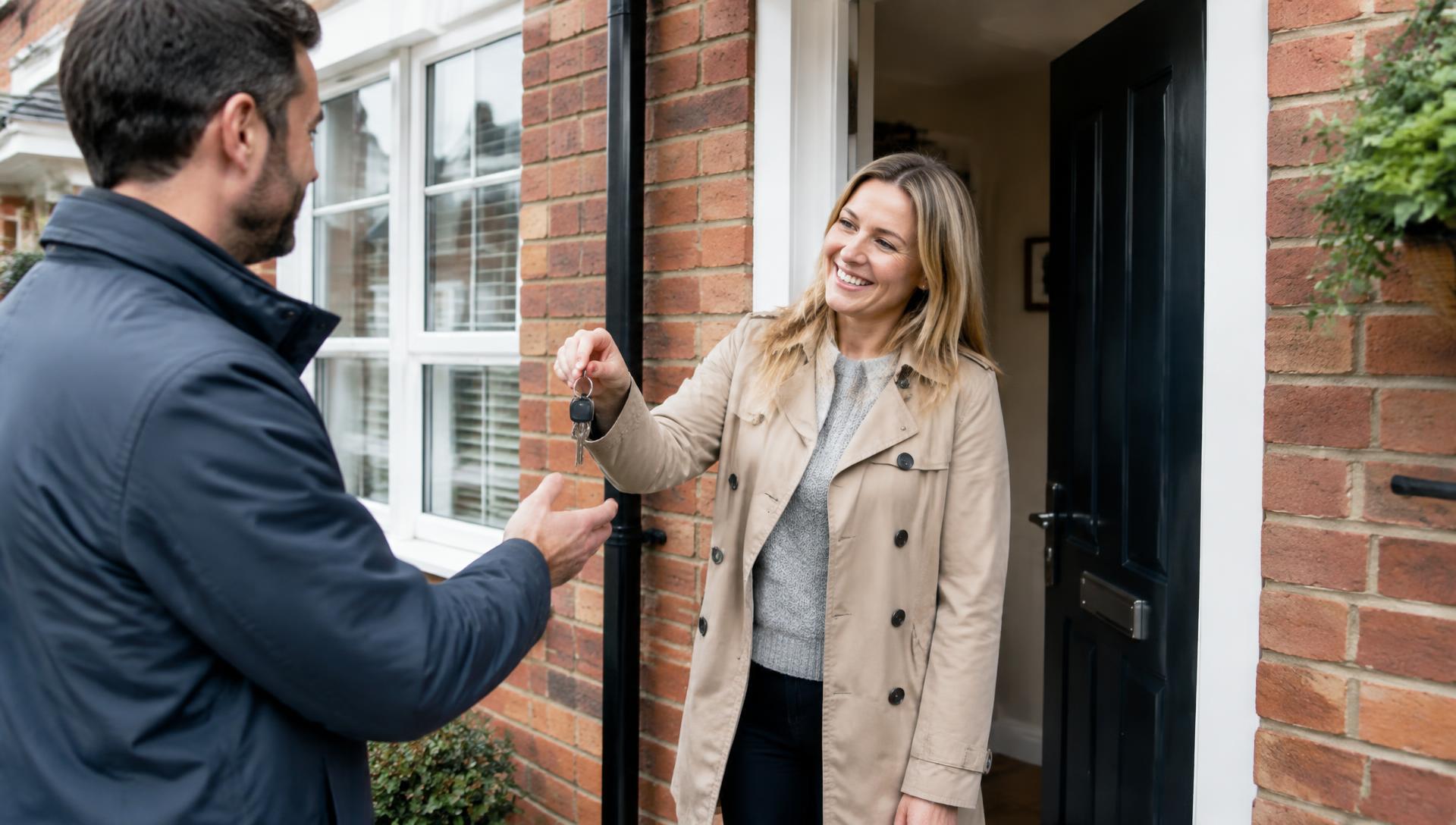
What are the key benefits of selling my house for cash?
Selling your house for cash can simplify the sale by avoiding estate-agent involvement, reducing reliance on a traditional open-market process and providing a clearer route for properties affected by probate, divorce, arrears or other legal and physical complications. It may also help you access the funds from the sale sooner, subject to the buyer’s checks, valuation and conveyancing process.
The main benefits of selling a house for cash are a simpler transaction, less dependence on mortgage finance and greater control over the sale arrangements. A cash buyer uses available funds rather than applying for a mortgage, which removes one source of uncertainty from the transaction, although the buyer must still complete appropriate checks and conveyancing.
Reduced reliance on a property chain
A cash purchase can involve fewer linked transactions than a conventional sale involving buyers who must first sell their own property. This may reduce the risk that another sale in the chain affects your completion. It does not remove every possible delay: searches, title checks, identification checks and enquiries still need to be dealt with before the sale can complete.
A clearer route to completion
Once an offer has been made, you can assess the proposed terms, confirm the buyer’s funding position and instruct a conveyancer to handle the legal work. Because mortgage approval is not required from the purchaser, there may be fewer finance-related stages to manage. The sale remains subject to satisfactory due diligence, a suitable valuation and agreement on the legal documents.
More flexibility over the property and arrangements
Cash buyers may consider homes that are less straightforward to sell through the conventional market, including properties requiring significant work or those affected by complicated circumstances. The buyer’s policy will determine what it is prepared to purchase, so you should provide accurate information about the condition, occupancy, title and any legal issues. A cash sale is not a way to avoid disclosing defects or resolving matters identified by the conveyancer.
There may also be scope to agree practical arrangements that suit your circumstances, such as the proposed completion date or whether certain items remain at the property. These points must be recorded in the contract rather than relying on informal assurances.
Less preparation for marketing
A direct cash sale may reduce the need for extensive presentation, repeated viewings and ongoing negotiations with multiple prospective purchasers. This can be useful where arranging access, clearing the property or carrying out improvements would be difficult. The extent of any inspection depends on the buyer, and a survey or valuation may still be required.
Useful financial clarity
A cash offer gives you a specific figure to compare with your outstanding mortgage, secured borrowing, removal costs and other sale-related expenses. Before accepting it, ask whether any deductions apply and establish what each party will pay. The amount you receive is the agreed price minus any permitted costs or liabilities, rather than simply the headline offer.
Cash selling also involves important compromises. A buyer takes account of the convenience and risk it is accepting, so the offer may be lower than an achievable open-market price. Compare the proposed net proceeds, timescale, contractual terms and buyer verification rather than judging the offer on speed or the gross figure alone.
Before proceeding, obtain independent legal advice, check that the buyer has the funds to complete, request a written offer and confirm the conditions attached to it. A properly documented transaction should explain the price, completion arrangements, fees, property information and circumstances in which the offer could be changed or withdrawn. These checks help you decide whether the practical benefits of a cash sale outweigh the price and contractual considerations.
Greater privacy during the sale
A direct cash sale can offer more privacy than marketing a property on the open market. Your home may not need a public listing, repeated viewings or details shared with multiple prospective buyers. This can be useful if you do not want neighbours, tenants or other parties to know about the sale, or if the circumstances involve probate, divorce or financial difficulty. Privacy is not automatic, so confirm how the buyer will handle your property information and who will be involved in inspections, valuation and conveyancing.