

What types of properties do cash buyers typically purchase?
Cash buyers typically purchase houses, flats and other residential properties in a range of conditions, including homes needing repairs, renovation or clearance. They may also consider properties affected by probate, divorce, mortgage arrears, tenancy complications or other legal and physical complexities, subject to an individual assessment.
Cash buyers typically purchase a broad range of residential property, provided the ownership, title and sale requirements can be properly assessed. This can include conventional homes, leasehold properties, tenanted houses and properties that may be difficult to sell through a traditional mortgage-funded transaction.
Common residential property types include:
- Detached, semi-detached and terraced houses
- Bungalows and cottages
- Flats, apartments and maisonettes
- Leasehold and freehold homes
- Buy-to-let properties with tenants in occupation
- Empty or unoccupied residential properties
- Houses of multiple occupation, where the buyer has experience assessing this type of property
The construction and condition of a property can also affect whether a cash buyer is interested. Cash purchasers are not dependent on a mortgage lender approving the property, so they may consider homes with features that can make conventional finance more difficult. Examples can include non-standard construction, significant structural work, missing documentation or defects that require specialist investigation. This does not mean every such property will be accepted; the buyer normally needs enough information to evaluate the likely risks and costs.
Tenanted properties can be suitable for some cash buyers, particularly where the tenancy arrangements are clearly documented. The buyer may need to review the tenancy agreement, rent history, deposit information and any notices served. The agreed sale terms should also make clear whether the property is being sold with tenants in place or with vacant possession required.
Leasehold properties are commonly assessed by reference to the remaining lease term, ground rent, service charges, restrictions on use and any planned major works. A short lease, unusually high charges or unresolved issues with the managing agent can affect the offer or make further legal investigation necessary. Freehold ownership has different checks, including boundaries, access rights and responsibility for shared areas.
Cash buyers may also distinguish between a property that is physically saleable and one that has unresolved ownership or title matters. Before proceeding, a solicitor or conveyancer will generally need to establish who can sell the property, whether there are restrictions registered against the title and whether required paperwork is available. A cash purchase does not remove the need for these legal checks.
Some property categories are less likely to be considered without specialist knowledge. Commercial premises, development land, mixed-use buildings and properties affected by planning restrictions may require a buyer with experience in that particular asset type. They should not be assumed to fall within a standard residential cash-buying service.
Whether a property is suitable is therefore based on more than its size or appearance. The buyer may consider its location, tenure, occupancy, construction, condition, title position and resale prospects before making an offer. An individual assessment is important because two apparently similar homes can have very different legal, structural or financial considerations.
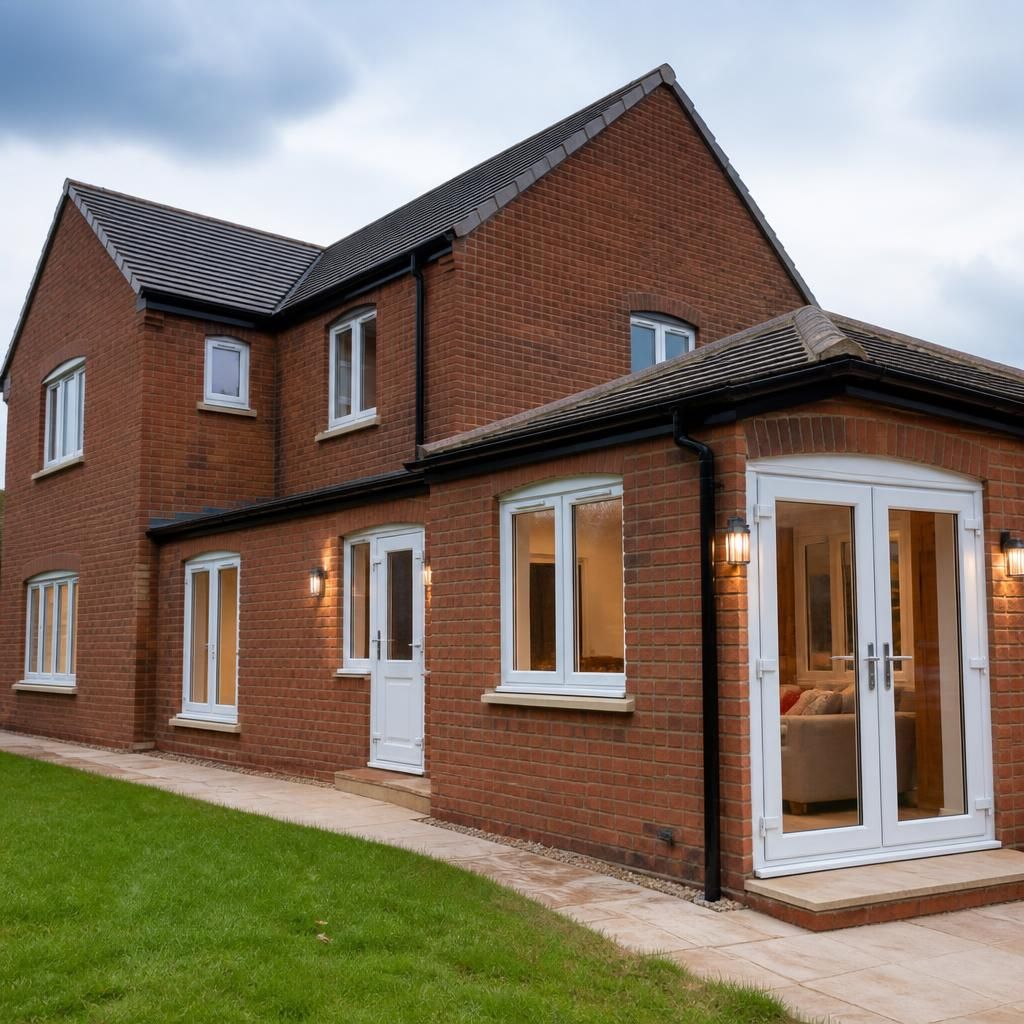
A cash buyer may also assess whether a property can be treated as a single residential asset. This matters where a home has been divided into separate units, includes an annexe, or has an unusual internal arrangement. The buyer may need to establish how the accommodation is used, whether the layout matches the authorised use, and whether any separate occupation creates additional obligations.
These features do not automatically prevent a purchase, but they can affect how the property is categorised and valued. Clear information about the layout, current use and relevant permissions helps the buyer decide whether the property falls within their usual residential criteria.
Find out whether your property is suitable for a cash purchase
Share details of your property to request an individual assessment of whether it is suitable for a cash purchase. Include information about its condition, occupancy, tenure and any known legal issues so the relevant factors can be reviewed.