

How do I verify the legitimacy of a cash buyer before proceeding with an offer on my property?
Verify a cash buyer by checking its registered company details, independent reviews, identity, proof of funds and the solicitor handling the transaction before relying on an offer. Ask for a clear written offer showing the price, conditions and any fees, and do not pay an upfront charge or sign until your own conveyancer has reviewed the paperwork.
A legitimate cash buyer should be transparent about who is making the offer, how the purchase will be funded, which conditions apply and how the transaction will be handled. Verification is not limited to checking whether a company exists: you should also test whether its offer, paperwork and conduct are consistent with a genuine purchase rather than an attempt to obtain money or control of the property.
Start by identifying the exact legal entity making the offer. A trading name may differ from the company that will appear on the contract, so ask for the proposed buyer’s full legal name and confirm that this is the party instructing the conveyancer. If an individual, broker or intermediary is involved, establish whether they are buying the property themselves or introducing you to another purchaser. The responsibilities of each party should be clear before you accept an offer.
Ask for the offer in writing and read the conditions carefully. Check whether the price can be reduced after a survey, valuation or legal investigation, and whether the buyer can withdraw without a defined reason. Look for clauses allowing the contract to be assigned to another party, a delayed completion, an option agreement or a long conditional period. These arrangements are not automatically unlawful, but they change the nature of the transaction and should be explained by your own conveyancer before you commit.
Assess the buyer’s proposed process rather than relying on reassuring language. A genuine purchaser should be able to explain:
- who will prepare and exchange the contract;
- which conveyancer will act for each party;
- what searches, inspections or surveys are expected;
- which events could alter the price or completion date; and
- how any proposed costs, deductions or cancellation rights operate.
Use an independent conveyancer who acts for you, not one chosen solely by the buyer. Your conveyancer can check the contract, explain unfamiliar clauses, verify the identity and authority of the parties, and raise enquiries about the source and movement of funds through the proper legal process. They can also tell you whether the proposed structure gives you adequate protection if the buyer fails to proceed.
Compare the offer with an independent view of the property’s value. A cash purchase can reasonably reflect the condition, location and risks associated with the property, but a large unexplained discount or a sudden reduction after initial discussions warrants further investigation. Obtain an independent valuation or speak to more than one suitably qualified property professional, particularly if the buyer discourages you from checking the price.
Check how the buyer handles personal information and identity checks. You should not be asked to send sensitive documents through an insecure or unusual channel without a clear reason. Confirm payment instructions directly with your conveyancer using a trusted telephone number, especially if bank details change during the transaction. Property fraud can involve intercepted emails or copied identities, so do not treat an email address, logo or document as proof on its own.
Be cautious if you are pressured to make a decision immediately, prevented from taking independent advice, asked to sign incomplete documents or told that legal review is unnecessary. Other warning signs include inconsistent names, unexplained changes to the offer, refusal to answer reasonable questions, requests to transfer money before a clearly documented legal purpose, or demands for access to the property that are unrelated to the proposed purchase.
Keep a complete record of the process, including the original offer, revisions, messages, documents and details of everyone involved. Do not rely on verbal assurances where the point affects price, timing, fees or your right to withdraw. If information cannot be independently verified, pause the transaction and ask your conveyancer to investigate before providing further documents or agreeing to terms.
Finally, separate two questions: whether the buyer is genuine and whether the deal is suitable for you. A legitimate buyer may still present terms that are below market value, transfer risk to you or give insufficient certainty about completion. Proceed only when the buyer’s identity, funding route, contract terms and proposed legal process have been independently checked and you understand the consequences of accepting the offer.
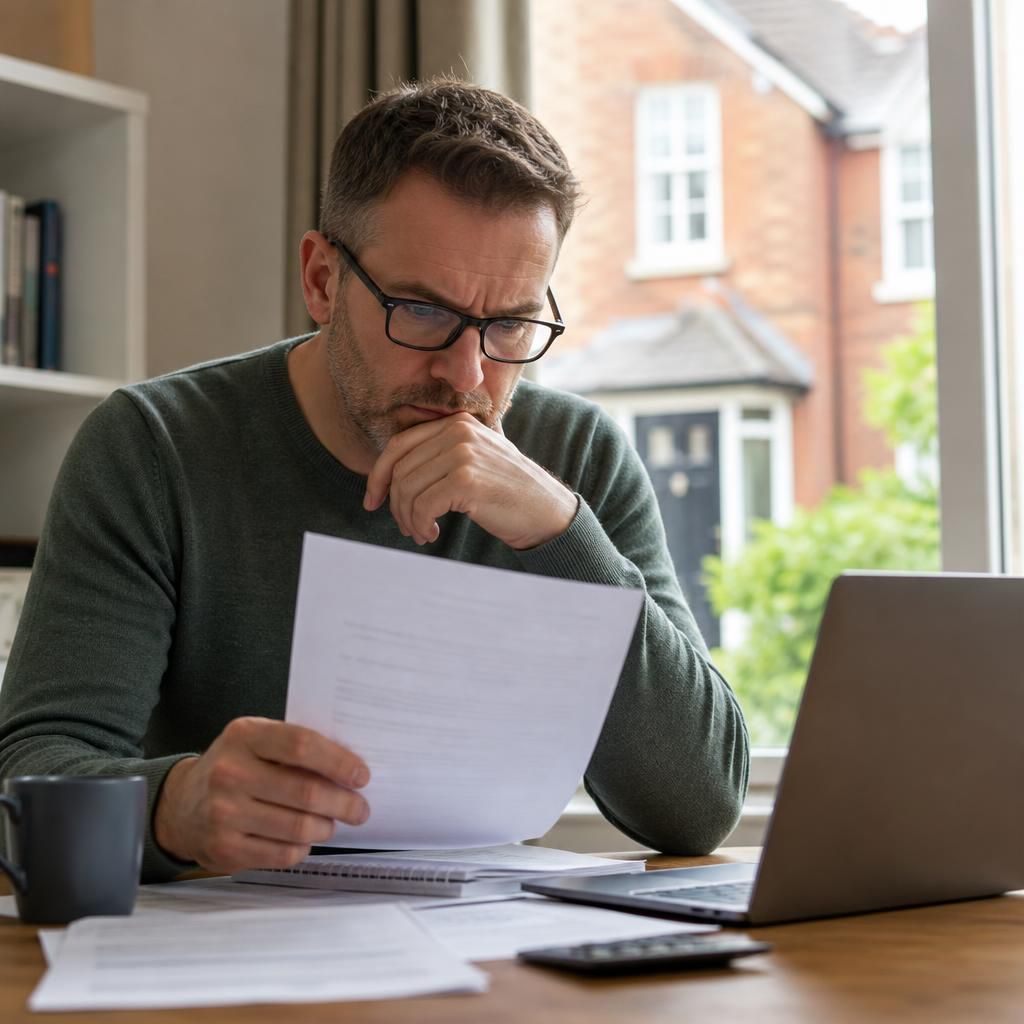
Online reviews can help you assess a cash buyer’s conduct, but they should be treated as supporting evidence rather than proof of legitimacy. Search using both the buyer’s trading name and the legal entity named in the offer, then compare feedback across independent sources.
Look for detailed, consistent accounts that describe the full transaction, including whether the agreed price changed, how communication was handled and whether the sale completed as expected. Be cautious of reviews that are unusually vague, repetitive, posted within a short period or focused only on initial contact. Also check whether older reviews refer to a different company name, which may make them difficult to apply to the proposed buyer.
A lack of online complaints does not establish that a buyer is genuine, and a small number of negative reviews is not conclusive on its own. Consider whether the buyer responds to criticism with specific, professional explanations rather than dismissing every concern. Use this information to identify questions for your conveyancer, while relying on independently checked identity, funding and contract information before proceeding.