
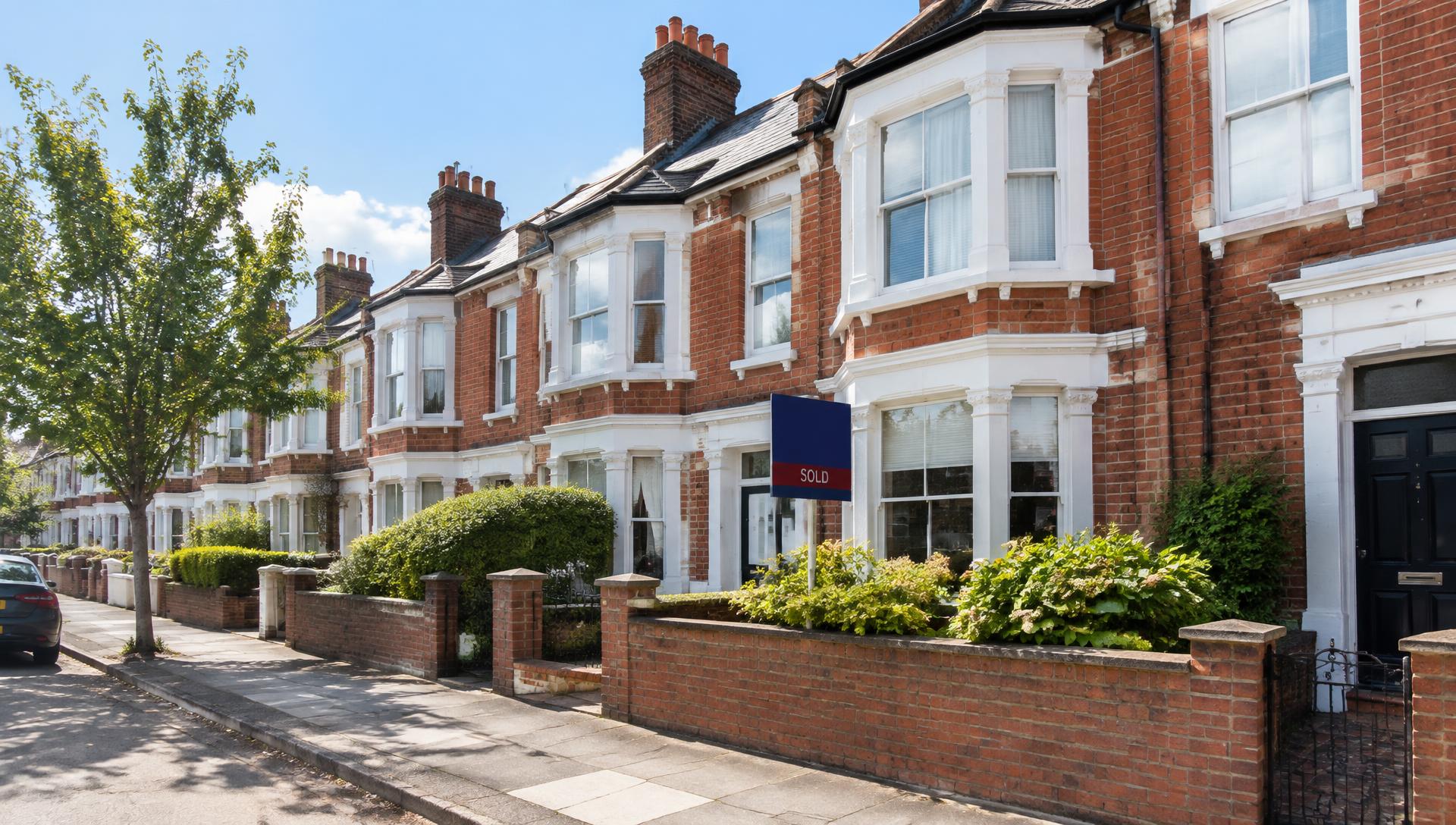
What steps are involved in preparing a probate property for a cash sale?
Preparing a probate property for a cash sale involves confirming the executor or administrator’s authority to sell, organising the necessary estate documents, checking the title and any secured lending, and establishing a realistic value. The property can then be cleared, essential safety or maintenance issues addressed, and the sale agreed with a buyer subject to the required legal checks and conveyancing.
Preparing a probate property for a cash sale is mainly an exercise in removing avoidable uncertainty. Once the estate’s representatives have dealt with the fundamental authority and ownership requirements, attention should turn to the property’s condition, contents, access, insurance, contract terms and completion arrangements. A well-organised property file allows the buyer’s solicitor to assess the transaction without repeated requests for information.
1. Establish the sale position with the estate solicitor
Before inviting or accepting an offer, ask the solicitor handling the estate to explain any restrictions affecting the sale. These might include a co-owner’s interest, an occupational arrangement, a restriction on the title, an unresolved boundary issue or a requirement for several personal representatives to sign documents. The solicitor should also confirm whether the property can be sold with vacant possession and identify anything that could prevent the proposed completion arrangements.
Where the grant of representation is still being dealt with, obtain specific advice on what can happen at each stage. A property may be discussed with prospective buyers before all probate formalities are complete, but the ability to exchange contracts or complete the transaction can depend on the estate’s legal position. The buyer should be given an accurate explanation rather than an assumed date.
2. Create a complete property information pack
Gather information that a conveyancer may need, including:
- recent utility bills and council tax correspondence;
- buildings insurance details and any claims history;
- guarantees, planning permissions, building regulation certificates and completion certificates;
- documents relating to extensions, loft conversions, replacement windows, damp treatment or structural work;
- boiler, electrical and other servicing records where available;
- lease, service charge and ground rent information if the property is leasehold; and
- details of shared accessways, parking arrangements, rights of way or disputes with adjoining owners.
Do not create documents that do not exist or describe work as certified when it is not. If paperwork is missing, tell the solicitor and buyer early. A lack of documentation does not necessarily prevent a sale, but it can affect the enquiries raised and the solution that the conveyancers recommend.
3. Decide how personal possessions will be handled
Probate properties often contain furniture, paperwork, vehicles and personal effects. The estate’s representatives should agree how these items will be dealt with before the property is marketed. Check wills, family agreements and any instructions from beneficiaries before disposing of possessions. Items with possible value, such as jewellery, antiques, collections or specialist equipment, may need an independent valuation rather than being included with general household clearance.
Keep important papers separate from items destined for disposal. This includes financial records, insurance policies, certificates, keys, photographs and correspondence that may help establish ownership or support the estate accounts. Arrange secure storage for documents and valuables, particularly if the property will be unoccupied.
4. Make the property safe and presentable without over-improving it
A cash sale does not remove the need to disclose known defects. Inspect the property for obvious hazards such as leaks, exposed wiring, insecure doors, damaged flooring, broken glazing, blocked gutters and signs of water ingress. Deal with urgent hazards where necessary, but avoid undertaking major refurbishment solely to increase the sale price unless professional advice supports the expenditure.
Basic preparation is usually more useful than cosmetic work. Remove rubbish, clear access routes, empty perishable food, clean sanitary areas and ensure rooms can be inspected. If the property has been empty, check for frozen or leaking pipes, pest activity, damp and ventilation problems. Keep records and invoices for any work completed, as these may help answer later enquiries.
5. Arrange access and protect the property while it is being sold
Prepare a clear system for keys, alarm codes, meter locations and access to sheds, garages, lofts and outbuildings. Tell the relevant parties if there are tenants, lodgers, carers or contractors connected with the property. Viewings should be managed with regard to privacy and security, especially where personal possessions remain inside.
Notify the insurer that the property is unoccupied or forming part of an estate, if applicable. Standard household cover may contain unoccupancy conditions or require regular inspections. Continue maintaining the heating, water and security arrangements required by the policy until legal completion, and keep evidence of inspections where appropriate.
6. Set clear terms for the proposed cash transaction
When considering an offer, look beyond the headline price. Establish whether the buyer wants vacant possession, which fixtures and fittings are included, whether any contents will remain and whether the offer is subject to a survey, valuation or further investigation. A written summary of the agreed terms reduces the risk of disagreement later.
The buyer should be able to demonstrate that the purchase funds are available and explain the proposed source of funds. The estate’s solicitor will still need to complete identity and anti-money-laundering checks. A cash purchase avoids a mortgage lender’s requirements, but it does not remove the buyer’s legal due diligence or the need to investigate title and property information.
7. Plan the contract and completion in advance
Agree with the solicitor how the sale proceeds will be received and recorded in the estate accounts. Confirm the bank details using a secure process, as property transactions are a target for payment fraud. Decide when the property will be emptied, where the keys will be held and how meter readings will be recorded on completion.
Before contracts are exchanged, check that the names of the sellers, property description, included items and possession terms are correct. Any change to the condition of the property, new damage, occupation or discovery of relevant paperwork should be reported to the solicitor. Once contracts are exchanged, the agreed terms generally become binding, so unresolved practical matters should be addressed beforehand.
8. Keep an audit trail for the estate
Retain the offer, correspondence, invoices, clearance records, valuations and conveyancing documents. Record decisions made about repairs, contents and the acceptance of the offer, particularly where more than one beneficiary is involved. The sale proceeds and related expenditure will need to be accounted for as part of the estate administration.
A cash buyer can be approached once the property is sufficiently documented and accessible, but preparation should be guided by the estate solicitor rather than by assumptions that a cash sale bypasses legal requirements. The most effective preparation combines an accurate property description, an agreed contents plan, appropriate insurance, safe access and properly coordinated conveyancing.

Resolve occupancy before agreeing the sale terms. A probate property may be occupied by a tenant, family member or lodger, and the estate cannot assume that vacant possession is available simply because the owner has died. Review any tenancy or licence agreement with the estate solicitor, including rent, deposits, notice requirements and the occupier’s legal rights.
Tell the prospective buyer exactly who occupies the property and whether it will be empty on completion. If possession is required, obtain advice on the lawful steps and allow for them in the transaction plan. Treating occupancy as an afterthought can delay conveyancing or leave the estate unable to provide the possession promised in the contract.
Discuss preparing your probate property for a cash sale
Once the estate’s solicitor has confirmed the sale position, contact buyhousesfast.co.uk to discuss the probate property and request a cash offer. Provide the available property and estate information so the proposed sale can be considered on an informed basis.