
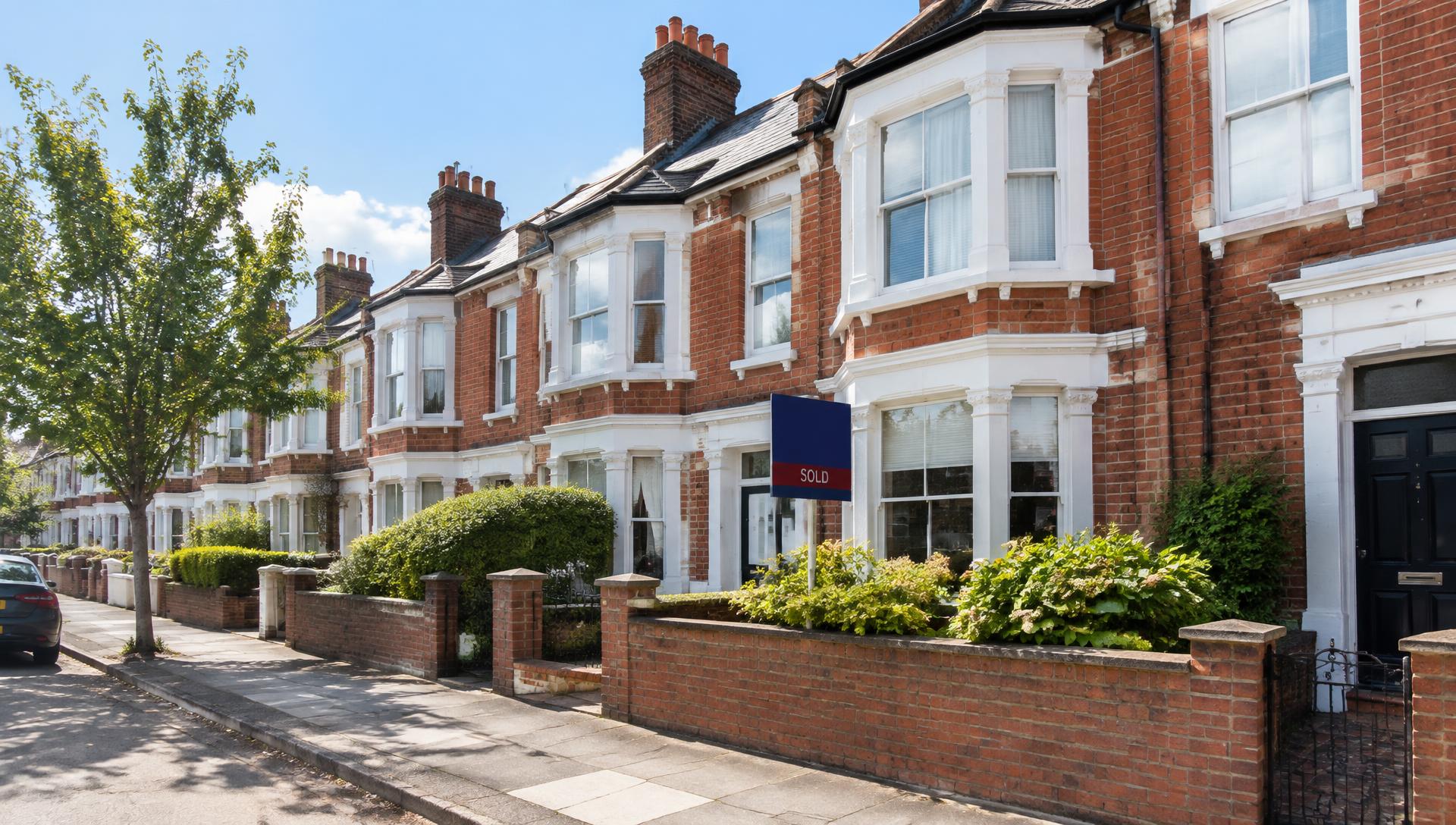
What are the key benefits of choosing a cash buyer for probate property sales?
A cash buyer can make a probate property sale simpler by removing the need for mortgage finance, reducing chain-related delays and allowing the property to be assessed in its existing condition. This may help executors achieve a more straightforward completion, limit preparation work and manage ongoing costs associated with an empty or inherited property.
Choosing a cash buyer for a probate property can provide greater control over the sale, reduce reliance on the open-market process and make it easier to plan the estate administration. The main benefits are process certainty, fewer transaction dependencies, privacy and the ability to deal with a property that may have unusual legal, occupancy or maintenance circumstances.
- Greater control over the transaction: A cash sale can give the executor a clearer route from agreeing the sale to exchanging contracts and completing. This may make it easier to coordinate the property sale with other estate responsibilities, such as settling liabilities, distributing assets or closing accounts.
- Less exposure to market uncertainty: A probate property listed on the open market may be affected by changing buyer demand, revised offers or a lengthy marketing period. An agreed cash transaction can reduce the estate’s exposure to these variables, although the proposed price should still be tested against appropriate valuation evidence.
- Fewer transaction dependencies: A cash buyer does not need to arrange mortgage finance. This removes the buyer’s lender valuation and mortgage-offer stages from the transaction, reducing the number of external conditions that can affect progress. The buyer must still prove funds where required, and the conveyancers must complete the usual legal checks.
- A more private sale: Selling directly to a cash buyer can limit public marketing and the number of people involved in viewing or negotiating over the property. This can be useful where the executor wants to keep the deceased person’s affairs private or avoid managing repeated enquiries.
- Potentially simpler administration for executors: Executors are responsible for acting in the estate’s interests and keeping proper records. A clearly documented cash offer, together with written confirmation of the agreed terms, can make it easier to maintain an audit trail for beneficiaries and professional advisers.
- Flexibility around property circumstances: Probate properties may be vacant, occupied, jointly owned, subject to restrictions or affected by defects and unresolved paperwork. A cash buyer may be able to assess these matters as part of the transaction rather than requiring the property to meet the expectations of a typical financed purchaser.
- Reduced risk of a finance-related failure: A mortgage-dependent purchaser may be unable to proceed if a lender rejects the property or changes its lending decision. A genuine cash buyer avoids that particular risk, but a sale can still be delayed or abandoned if title problems, probate issues or searches reveal material concerns.
These advantages do not remove the legal requirements of a probate sale. The person selling must have the authority to act for the estate, usually through a grant of probate or letters of administration, unless a particular legal exception applies. The conveyancer will also need to establish ownership, identify the personal representatives, check restrictions and deal with any mortgage, charge, tenancy or other interest affecting the property.
Beneficiaries should be kept informed where appropriate, particularly if there is more than one executor or if the proposed sale price could be challenged. Executors should obtain an independent valuation or other evidence of market value before accepting an offer. This helps demonstrate that the decision was made responsibly rather than simply choosing the quickest route.
A cash buyer may offer less than a property might achieve after conventional marketing, because the buyer is taking on the resale risk, transaction costs and any work required after purchase. The relevant comparison is therefore not only the headline offer. Consider the likely net proceeds, professional fees, holding costs, certainty of completion, privacy and the time involved in each route.
Independent legal advice remains important. A conveyancer can confirm whether the sale contract is valid, explain any title or probate complications and ensure that completion funds are paid to the correct estate account. Where inheritance tax, capital gains tax or disputes between beneficiaries may be relevant, the executor should also obtain advice from an appropriately qualified tax or legal professional.
In practical terms, a cash buyer is most beneficial where the executor values a controlled and less market-dependent transaction, provided the offer is properly assessed and the legal authority to sell is in place. The decision should balance speed and administrative simplicity against value, evidence of funds, legal protection and the duties owed to the estate and its beneficiaries.

One practical benefit of a cash buyer is that the property can often be assessed on its current condition rather than being prepared to satisfy a mortgage lender’s requirements. This may be relevant where the probate property has been empty, contains unwanted contents, needs substantial work or has features that could complicate a conventional financed purchase. The executor should still provide accurate information about known defects and allow the conveyancer to investigate title, searches and any restrictions before contracts are exchanged.
Discuss your probate property sale options
If you are considering a cash sale for a probate property, discuss the property’s circumstances and your proposed timescale with buyhousesfast.co.uk. Obtain independent legal and valuation advice before deciding whether the offer is appropriate for the estate.