

What steps should be taken to prepare a probate property for a cash sale?
Prepare a probate property for a cash sale by confirming the personal representative’s authority to sell, obtaining an informed valuation, gathering the title and probate documents, checking the property’s condition, and clearing or cataloguing its contents. Arrange any essential safety or access work, disclose known defects, and have a conveyancer review the paperwork before agreeing the sale.
Preparing a probate property for a cash sale means making the property, the estate’s position and the proposed transaction sufficiently clear for the buyer and conveyancer to assess. The most effective approach is to deal with ownership, information, practical risks and sale decisions in a planned order, rather than treating the property as an ordinary vacant sale.
1. Establish the estate’s decision-making position
Before making commitments, identify who is authorised to give instructions and how sale proceeds will be dealt with. Where there is more than one personal representative, confirm whether all required signatures and decisions have been obtained. If beneficiaries disagree about the sale, price or distribution of belongings, resolve that issue before accepting an offer. A dispute can interrupt conveyancing even when the property itself is ready.
Keep a written record of important decisions, including the proposed sale price, agreed deductions, treatment of household contents and any payments made from estate funds. This creates an audit trail for the estate accounts and helps distinguish estate expenses from personal expenditure.
2. Separate property preparation from contents administration
Probate properties often contain personal possessions, paperwork and valuable items. Do not dispose of everything automatically. First identify items that may have sentimental, financial or evidential importance. Photograph rooms and notable belongings before clearing them, and retain receipts or records for removals, storage, cleaning and disposal.
Documents found at the property may include insurance papers, guarantees, planning correspondence, service records, rent information or notices affecting the property. Keep potentially relevant records until the conveyancer confirms that they are no longer needed. Valuable items should be independently assessed where appropriate, particularly if beneficiaries may later question their sale or division.
3. Secure and manage the property while it is being sold
Change access arrangements where keys may be widely held, and keep a record of anyone who enters the property. Check that windows, doors, gates and outbuildings are secure. Arrange suitable insurance for an unoccupied home and comply with any conditions imposed by the insurer, such as inspections, heating requirements or water-system precautions.
Utility accounts should be identified and transferred, maintained or closed according to the property’s circumstances. Meter readings, council tax correspondence and insurance details should be retained. If the house is empty, planned inspections can help identify leaks, damp, frost damage or signs of trespass before they affect the transaction.
4. Decide which work is worthwhile
A cash sale does not remove the need to disclose known problems, but it may affect the value of carrying out improvements. Separate essential remedial work from cosmetic work. Address issues that create a safety risk, prevent access, cause active damage or make the property difficult to inspect. Cosmetic refurbishment is less likely to be justified where the buyer is assessing the property in its existing condition.
Keep invoices, guarantees and certificates for any work completed. Do not conceal defects with paint, temporary repairs or removal of fixtures. If a problem is uncertain, obtain a suitable professional opinion and pass the relevant information to the conveyancer. Clear disclosure allows the buyer to assess the risk and reduces the chance of a dispute after an offer has been agreed.
5. Prepare accurate property information
Complete sale forms carefully and answer questions based on information available to the estate. The personal representative may not have occupied the property and should not guess about matters such as alterations, boundary arrangements, disputes, flooding, subsidence, guarantees or neighbour agreements. State when information is unknown and ask the conveyancer how that should be recorded.
Make a list of items included in the sale, such as fitted appliances, sheds, light fittings, curtain rails and other fixtures. Also identify anything that will be removed. Agreement on inclusions at the outset helps prevent misunderstandings when the buyer inspects the property or reviews the contract.
6. Check practical access and occupation issues
Confirm whether anyone occupies the property, stores belongings there or has permission to use part of it. Tenants, licensees, lodgers and informal occupiers can create separate legal and practical requirements. Do not assume that an empty-looking property is vacant in the legal sense. Ask the conveyancer how any occupation should be handled before agreeing completion arrangements.
Check access for viewings, surveys and inspections, including shared driveways, locked gates, alarm systems and communal areas. If the property forms part of a leasehold building, collect the managing agent’s contact details and establish whether information or charges will be needed for the sale.
7. Review the proposed cash transaction carefully
Consider the offer against the property’s condition, likely costs, estate obligations and the risks of accepting unusual terms. The headline price is not the only point to assess. Review proposed deductions, timescales, deposit provisions, fixtures, vacant possession and what happens if the buyer’s investigations identify a problem.
Confirm how the buyer intends to fund the purchase and ensure the conveyancers complete the required identity, source-of-funds and anti-money-laundering checks. A cash purchase may avoid mortgage finance, but it still requires title investigation, contract approval and satisfactory answers to relevant enquiries.
8. Keep a completion file
Maintain one organised file containing correspondence, decisions, invoices, certificates, inspection notes, photographs, meter readings and details of keys. Provide information to the conveyancer in a consistent form and respond promptly to requests without speculating. Before completion, confirm the agreed contents have been removed or left as specified, the property is secure and all keys and access devices are ready for handover.
Professional legal and tax advice is particularly important where the estate is insolvent, the property is jointly owned, there are competing beneficiaries, the title is unclear or the property has been occupied by someone other than the deceased. Proper preparation cannot remove every probate complication, but it can reduce avoidable questions and give the cash buyer a clearer basis for due diligence and contract negotiations.
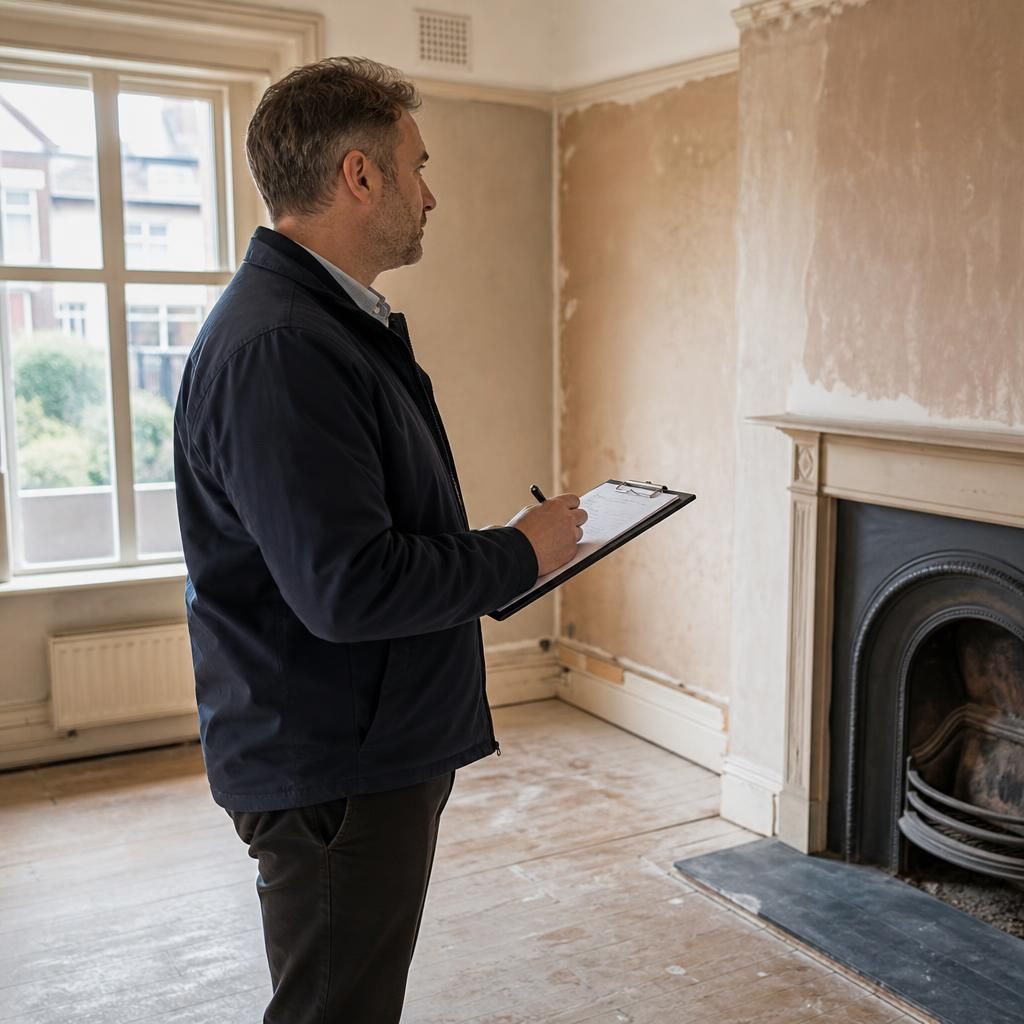
An independent valuation helps the personal representatives judge whether a cash offer reflects the probate property’s condition and current market position. It should be based on comparable local sales, the property’s location and tenure, its repair requirements, and any restrictions affecting use or resale.
Ask the valuer to explain the assumptions behind the figure and to distinguish market value from a price reflecting a quick, certain transaction. A written report can support discussions between personal representatives and beneficiaries, particularly where the property needs substantial work or its condition makes comparison with well-maintained homes difficult.
Keep the valuation with the estate records and give it to the conveyancer if relevant. It is not necessarily the final sale price, but it provides a documented reference when comparing a cash proposal with the likely costs, risks and delay involved in marketing the property through a conventional route.
Discuss Your Probate Property Cash Sale
Discuss your probate property cash sale with buyhousesfast.co.uk, outlining the estate’s circumstances, the property’s condition and any points that may affect the transaction. You can then consider whether a cash sale is suitable before instructing your conveyancer.