

How do you determine the cash offer value for my property?
We determine your property’s cash offer value by assessing its location, size, condition, title and legal position, together with comparable local property values and any work or costs needed before resale. The resulting offer reflects the property’s likely market value while accounting for the risks and expenses associated with purchasing it for cash.
A cash offer is determined through an investment-based valuation rather than by applying a standard percentage to an asking price. For a UK property, the assessment considers the evidence available about the home, the likely resale position, the expenditure required to make it saleable and the risks involved in completing the purchase.
The process normally begins with the information you provide about the property. This can include its address, tenure, approximate floor area, number and type of rooms, occupancy status, photographs and details of any known defects or restrictions. These details create an initial view of the property, but they do not by themselves establish the final figure.
Local market evidence is then examined to understand how similar homes have been valued and sold. Relevant comparisons may include properties with a similar layout, tenure, age and position, rather than simply homes in the same postcode. Differences such as an extension, parking, garden, floor level, access arrangements or unusual construction can affect how useful a comparison is.
The assessment also distinguishes between a property’s advertised price and its realistic achievable value. Asking prices may not reflect the eventual sale price, particularly where a property has been marketed for some time, needs substantial work or has features that restrict the number of potential buyers. Completed sales and other reliable market evidence generally provide a stronger basis for valuation than listings alone.
Any required works are considered in practical terms. This may include repairs, clearance, refurbishment, compliance work or specialist investigations. The calculation is not limited to the cost of materials: labour, project management, contingencies and the effect of defects on future buyers may also influence the offer. A property requiring extensive work can therefore produce a different cash figure from a similar property in ready-to-market condition.
Legal and ownership information is important because it can affect both value and the ability to complete. Matters that may need clarification include:
- whether the property is freehold or leasehold;
- the remaining length of a lease and any ground rent or service-charge obligations;
- occupiers, tenants or vacant-possession requirements;
- planning permissions, building-regulation records and alterations;
- restrictive covenants, easements, access issues or boundary questions; and
- charges, probate requirements, insolvency issues or other matters recorded against the title.
Where information is incomplete, the uncertainty may be reflected in the proposed figure until documents or professional checks provide greater clarity. This does not necessarily mean that a sale cannot proceed, but unresolved issues can affect the level of risk attached to the purchase.
The cash calculation also allows for costs connected with acquiring, holding and reselling the property. These can include legal work, surveys, finance or funding costs, insurance, taxes where applicable, maintenance, refurbishment and the possibility that resale takes longer or achieves less than expected. The greater the uncertainty around these items, the more carefully the offer needs to be adjusted.
Further checks may be needed before an offer is confirmed. Depending on the property, these could involve reviewing title documents, inspecting the building, checking planning information or obtaining specialist advice. The purpose is to test whether the initial information accurately represents the property and whether any previously unknown issue changes the calculation.
The outcome is an offer based on the information and evidence available at the time. It should be considered separately from a mortgage lender’s valuation: a lender is primarily assessing security for a loan, whereas a cash buyer is assessing the complete purchase, the work involved and the route to resale. If material facts change or the checks identify a significant issue, the proposed figure may need to be reviewed.
A valuation can be discussed without obligation, allowing you to compare the proposed cash figure with other available routes. Before accepting any offer, check what it includes, whether any deductions are proposed and which assumptions the calculation depends on. This makes it easier to compare a cash offer with an open-market sale on a like-for-like basis.
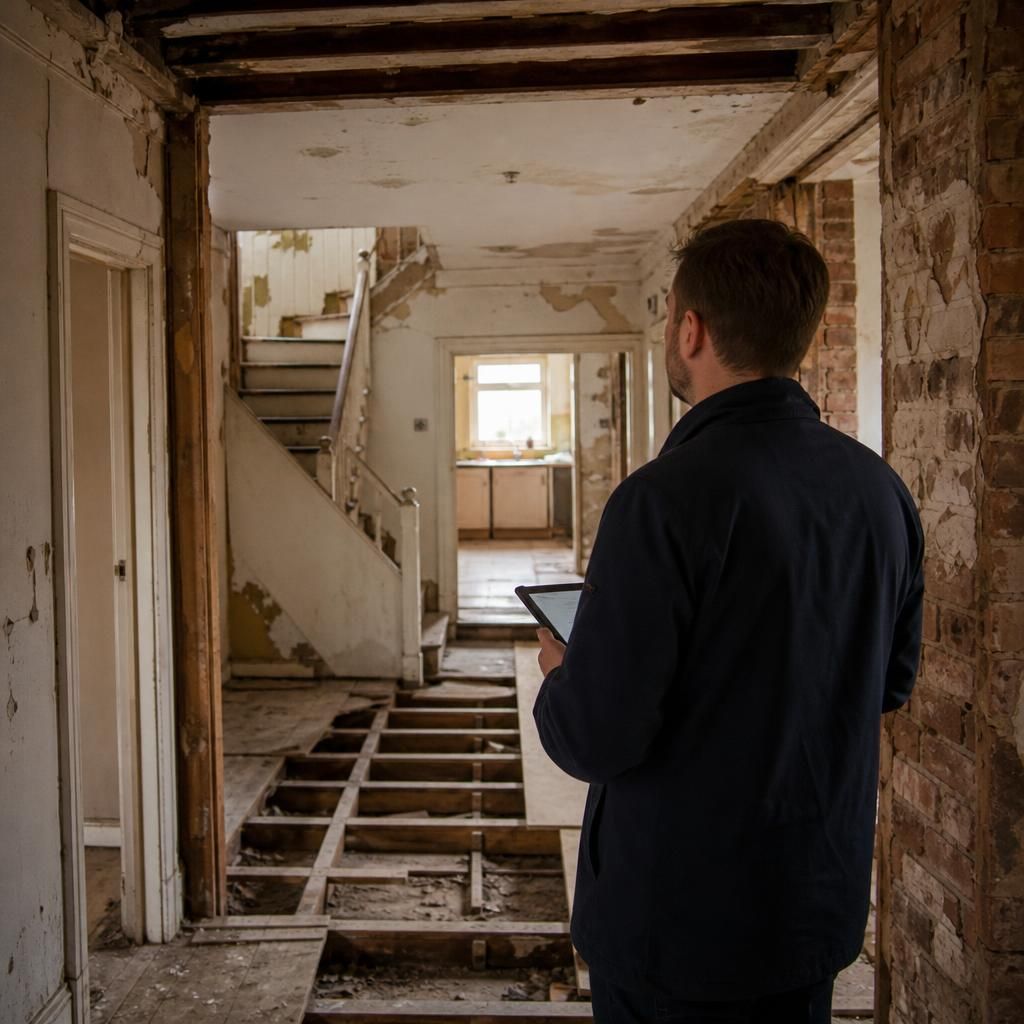
Properties with unusual layouts, limited comparable sales or non-standard features require a more cautious valuation. Rather than relying on a single similar listing, the assessment can compare several types of evidence and consider how readily the property could appeal to future buyers.
This is particularly relevant for converted homes, properties with restricted access or buildings that differ substantially from nearby housing. The less directly comparable the property is, the more important it becomes to identify the assumptions behind the figure and distinguish established evidence from estimates.