

What types of properties do cash homebuyers typically purchase?
Cash homebuyers typically purchase houses, flats, probate properties, buy-to-let homes and renovation projects, including properties with legal or physical complications. The suitability of a property depends on its condition, ownership situation and the buyer’s valuation and purchasing criteria.
Cash homebuyers generally consider residential properties that may be difficult to sell through the traditional market, as well as standard homes in acceptable condition. The decision is based on the property’s legal ownership, physical condition, occupancy, location, likely resale value and the cost of any work required before or after purchase.
Detached, semi-detached and terraced houses can all fall within a cash buyer’s criteria. The size, layout and age of the house are considered alongside matters such as extensions, parking, garden access and the condition of the roof, windows, heating system and structure. A house does not usually need to be presented in a fully modernised condition, but defects and alterations need to be identified accurately when the property is assessed.
Flats and maisonettes are assessed differently from freehold houses. A buyer will normally need to review whether the property is leasehold or share of freehold, the remaining lease term, ground rent, service charges and any planned major works. Restrictions in the lease, such as limitations on subletting or alterations, may also affect the valuation. The condition and management of the wider building can be relevant as well as the condition of the individual flat.
Occupied rental properties may be considered where tenants are living in the property. Important information includes the tenancy agreement, rent position, deposit arrangements and whether any possession proceedings are under way. A sale may require cooperation with the occupants and careful handling of their legal rights. Properties with tenants should not be presented as vacant unless the correct process has been completed.
Inherited residential property can be assessed where the owners are dealing with an estate. The buyer will need to establish who has authority to sell and whether probate or letters of administration are required. If several beneficiaries are involved, all necessary parties must be identified and agree to the transaction. The property may also contain personal belongings, require clearance or have outstanding bills, all of which can affect the practical arrangements and valuation.
Homes affected by mortgage arrears or other financial pressure may be considered, but the outstanding borrowing must be established. The proposed sale price needs to be compared with the mortgage balance, secured loans, charges and sale costs. If the property is worth less than the total secured debt, specialist legal advice may be needed because a lender’s consent could be required before the sale can proceed.
Properties requiring substantial work may be suitable for a cash purchaser where the cost and scope of the work can be properly evaluated. Examples include homes with outdated interiors, water damage, structural movement, fire damage, subsidence concerns or long-term neglect. A valuation should account for surveys, building work, planning matters, building regulations and the risk that the final cost may change. The owner should disclose known defects rather than relying on cosmetic presentation to conceal them.
Unusual ownership or title situations can influence whether a property is suitable. Examples include jointly owned homes, absent owners, restrictive covenants, boundary disputes, missing documents and registered charges. These issues do not automatically make a sale impossible, but they may require additional checks and input from a conveyancer. The buyer’s solicitor will need to establish that the seller can transfer good title and that any necessary consents are available.
Cash buyers may also examine properties that have been empty for an extended period, are difficult to insure, or have been affected by incomplete building work. Empty homes can involve council tax, security, utilities, damp and maintenance concerns. Where a property has been altered or converted, planning permission, building regulations approval and the actual layout should be checked against the legal records.
Regardless of the property type, an owner should provide accurate details about:
- the tenure and registered owners;
- mortgages, charges or other financial interests;
- occupiers, tenants and vacant possession;
- known defects, damage and repair requirements;
- extensions, conversions and other alterations;
- planning permissions, building regulations certificates and guarantees; and
- any disputes, restrictions or ongoing legal proceedings.
These details allow the cash homebuyer and conveyancers to decide whether the property fits their purchasing criteria and whether the proposed price reflects the risks involved. An initial indication is not the same as a legally binding purchase: the final position normally depends on property information, title checks, valuation evidence and the contract agreed between the parties.
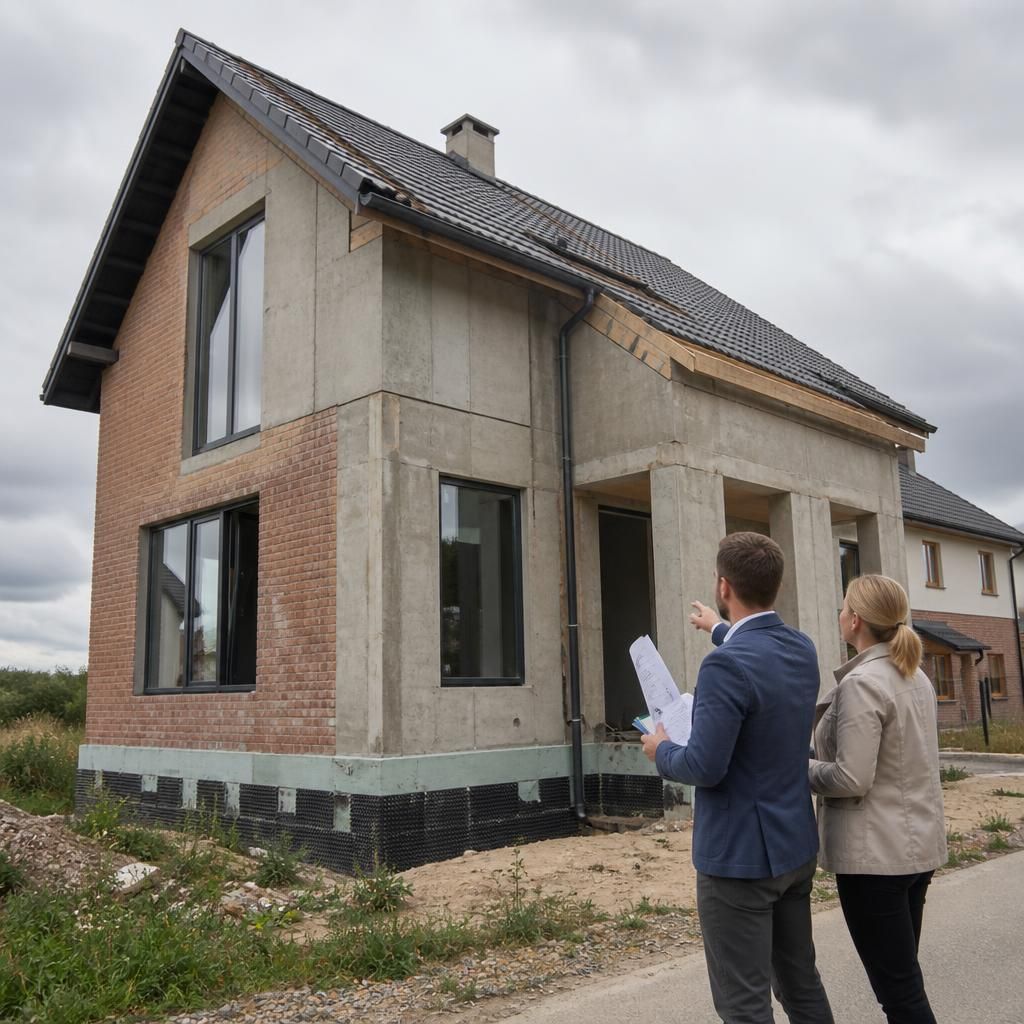
Cash homebuyers may consider non-standard construction properties that can be harder to finance through a conventional mortgage. Examples include some concrete, steel-framed, timber-framed and prefabricated homes, as well as certain converted or unusual residential buildings. Suitability depends on the construction method, its condition, available survey evidence, insurability and the likely cost of maintenance or remedial work. Details of the original construction, previous repairs and any specialist reports should be provided before the property is valued.