

How can I sell a probate property quickly?
To sell a probate property quickly, confirm who has authority to act, gather the relevant probate and property documents, and obtain a realistic valuation. A cash buyer can provide an alternative to an estate-agent sale, potentially avoiding marketing, property chains and some of the delays associated with a conventional transaction.
The quickest way to sell a probate property is to make sure the estate has legal authority to sell, resolve ownership issues early and choose a sale route that suits the property and the beneficiaries. A cash sale may reduce dependence on mortgage finance, but it does not remove the need for conveyancing, title checks or the correct probate authority.
1. Confirm who can sell the property
The personal representatives named in the will usually deal with the property. Executors may need a grant of probate before completing a sale. If there is no valid will, the administrators generally require letters of administration. The exact process differs across the UK, so the estate’s solicitor should confirm what authority is required in the relevant jurisdiction.
Do not exchange contracts until the person signing the contract has the legal authority to bind the estate. If there are several executors, check whether all must sign or whether one has formally reserved or renounced their right to act. A mismatch between the probate paperwork and the sale contract can cause avoidable delays.
2. Decide whether the property should be sold as it is
Repairs, clearance and refurbishment can increase appeal, but they also add cost, administration and time. For an urgent sale, compare the likely benefit of improvements with the risk of delaying the transaction. A buyer willing to purchase the property in its current condition may be suitable where it needs substantial work, contains belongings or has defects that would make a conventional sale more complicated.
Before marketing or accepting an offer, identify practical issues such as vacant possession, tenants, stored possessions, structural concerns, non-standard construction and access arrangements. If the property is occupied, specialist legal advice may be needed before agreeing a completion date.
3. Choose an appropriate sale route
The main options are:
- Open-market sale: an estate agent markets the property and manages viewings and offers. This can expose the home to more buyers, but the transaction may be affected by a buyer’s mortgage, survey findings or a connected chain.
- Auction: this can provide a defined contractual process, although there are fees, auction conditions and preparation requirements to consider. The legal pack must be accurate and available to prospective bidders.
- Cash sale: a direct cash buyer may be able to assess the property without mortgage underwriting. The personal representatives should still check the buyer’s funding position, proposed timescales and contract terms rather than relying solely on the description of the offer.
Compare offers on more than price. The relevant factors may include whether the buyer requires a mortgage, whether they are in a chain, the proposed completion date, whether the offer is conditional on further investigations and whether the buyer intends to renegotiate after inspection.
4. Instruct a conveyancer experienced in probate
A probate sale involves both the property transaction and the administration of an estate. The conveyancer may need to establish the deceased’s ownership, check the will or grant, deal with restrictions on the title, answer enquiries and confirm how the sale proceeds should be paid. Tell the conveyancer at the outset if the property is leasehold, jointly owned, unregistered, subject to a mortgage or affected by an alteration without obvious approvals.
For leasehold homes, obtain the information required by the managing agent or freeholder as early as possible. Ground rent, service charge, transfer requirements and management-pack delays can affect exchange and completion. If the property is jointly owned, the way it was held can affect whether it forms part of the estate and who has authority to sell it.
5. Manage beneficiaries and estate decisions
Executors must act in the interests of the estate rather than simply following the preference of one beneficiary. Keep beneficiaries informed about the proposed sale route, material offers and significant decisions, particularly where the property is being sold below an earlier expectation or without extensive marketing. A written record of the decision-making process can help prevent disputes.
Where beneficiaries disagree, or where the will is unclear, obtain legal advice before proceeding. A dispute can be more disruptive than any property-related issue and may prevent the sale from completing until it has been addressed.
6. Prepare for the buyer’s checks
Even a cash buyer will normally carry out legal due diligence. This can include checking title, boundaries, planning history, building-regulation approvals, rights of way, environmental matters and any notices affecting the property. Be accurate in replies to enquiries and disclose known defects. Withholding information can lead to renegotiation, a claim or a failure to complete.
Where speed matters, respond consistently through the conveyancers and agree who has authority to answer questions about the estate. Delays often arise when information is held by several family members or when no one is authorised to make a decision.
What can prevent a quick probate sale?
- the grant or other authority to sell has not been issued;
- the property title does not match the deceased’s records;
- there are multiple executors or beneficiaries who have not agreed the approach;
- the home is occupied or has tenants;
- the property is leasehold and required management information is unavailable;
- there are unresolved mortgages, charges, restrictions or ownership disputes; or
- the buyer’s offer is subject to finance, a related sale or extensive further investigation.
A direct cash buyer can be one option where the estate prioritises a straightforward transaction and the property may not suit a conventional sale. Before accepting, ask for the proposed price, contract conditions, evidence that funds are available, any deductions and the intended completion arrangements. The estate’s conveyancer should review the offer and contract so that speed does not come at the expense of the beneficiaries’ interests.
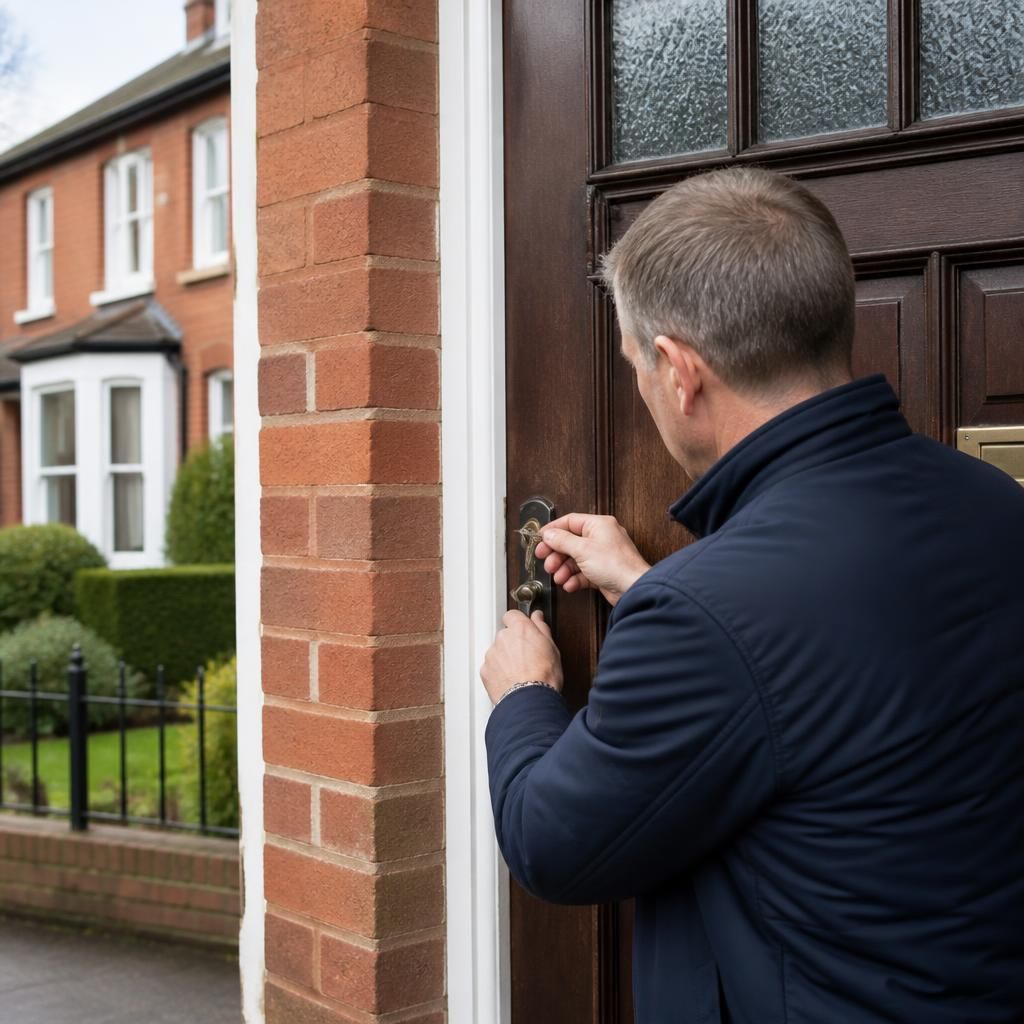
Keeping a probate property secure while the sale is being arranged can help prevent avoidable problems. An unoccupied home may be more vulnerable to leaks, frost damage, theft or vandalism, and damage could affect viewings, negotiations or completion.
- Tell the insurer that the property is unoccupied and check any conditions relating to inspections, heating and security.
- Secure doors, windows, garages and outbuildings, and arrange for post to be redirected or collected.
- Record meter readings and deal with urgent maintenance, such as leaks or heating failures.
- Keep keys accessible to the authorised representative, conveyancer and agreed buyer or agent.
These practical arrangements should be agreed among the personal representatives before the property is marketed or inspected, particularly where the home is some distance from those managing the estate.