
How can I prepare an inherited property for sale to maximise its market value?
Prepare the property by confirming the legal authority to sell, gathering relevant documents, removing personal belongings, completing essential repairs and presenting each room cleanly and neutrally. Obtain an independent valuation and compare local sales evidence before deciding which improvements are likely to add value and which would cost more than they return.
Maximising the value of an inherited property involves improving its presentation, correcting issues that could concern buyers, and investing only in changes that are likely to be reflected in the sale price. The best approach is usually targeted preparation rather than a complete refurbishment, because expensive alterations may not produce an equivalent increase in value.
Start by identifying the likely buyer. A family house, a flat for first-time buyers and a period property for specialist purchasers will each benefit from a different presentation. Consider the property’s location, size, layout and condition, then compare it with similar homes currently attracting interest in the local market. This helps determine whether money is better spent on modernising the interior, improving outside space or simply presenting the property more effectively.
Deal with obvious sources of buyer uncertainty. Buyers and their solicitors may ask about alterations, extensions, converted rooms, boundaries, access, leases, guarantees and ongoing charges. Make sure any relevant information is consistent and easy to verify before the property is marketed. If work was carried out during the previous owner’s occupation, check whether the associated approvals, certificates or warranties can be located. Missing information can lead to additional enquiries, renegotiation or delays even where the property itself is attractive.
Improve presentation without over-personalising it. Once the contents have been dealt with, arrange furniture to show the proportions and practical use of each room. Remove oversized items that make rooms feel smaller, keep surfaces uncluttered and use simple furnishings where a room would otherwise appear empty. Curtains and blinds should allow natural light in, while lamps can help show how darker areas are used. The aim is not to disguise the property but to make its space, storage and layout easy to understand.
Consider selective cosmetic improvements. Replacing heavily worn finishes, refreshing dated decoration or updating small visible details may improve a buyer’s first impression. However, avoid choosing expensive materials or highly individual designs solely because they appeal to you. A neutral, durable finish generally gives prospective buyers more flexibility and reduces the chance that they will deduct the cost of changing it from their offer.
Kitchens and bathrooms often influence perceptions of overall condition, but a full replacement is not automatically worthwhile. Depending on the property, cleaning existing fittings thoroughly, replacing damaged fronts or hardware, improving lighting and renewing tired sealant may be more proportionate than installing an entirely new suite. Any proposed work should be assessed against the property’s likely price range and the expectations created by comparable homes.
Do not overlook the exterior. The approach to the property forms part of the first viewing impression. Keep paths and entrances clear, maintain lawns and borders, trim overgrown plants and make sure gates, fences and visible external features appear cared for. For flats, focus on the areas that the seller controls, such as the entrance door, balcony or allocated outdoor space, while recognising that communal areas may be the responsibility of the management company.
Check energy and practical features. A valid Energy Performance Certificate is required for most residential sales, and its recommendations can indicate improvements that may make the property more appealing. Buyers may also notice heating controls, glazing, insulation, ventilation, storage and parking arrangements. Prioritise changes that improve day-to-day usability or address a clear deficiency, rather than adding features that are unlikely to matter to the intended buyer.
Obtain specialist advice before altering the layout. Removing walls, converting rooms or changing the use of part of a property can affect structure, fire safety, building regulations, planning requirements and future mortgageability. An apparently simple alteration may also reduce the number of bedrooms or remove useful storage. Before committing to such work, obtain advice from an appropriately qualified professional and establish whether formal approval would be needed.
Prepare for marketing as carefully as the viewing. High-quality photographs should show the property in daylight, include every significant room and represent its condition accurately. A floor plan helps buyers understand the layout, particularly where rooms have unusual shapes or there is limited natural light. Accurate measurements, clear descriptions of included fixtures and realistic marketing particulars reduce confusion and help attract buyers whose requirements match the property.
Set a preparation budget and separate essential expenditure from optional enhancements. For each proposed change, consider its cost, the time it will take, the risk of complications and whether it addresses a recognised weakness in comparable properties. Keep invoices, certificates and guarantees for any work completed. A clear record can support buyer enquiries and make it easier to explain the property’s condition during conveyancing.
Finally, agree the preparation and marketing strategy with all people who have authority or a financial interest in the estate. A shared decision on the acceptable level of expenditure, asking price and preferred method of sale can prevent disagreement later. If the likely cost of preparation is substantial, compare the expected market benefit with the option of selling the property in its current condition to a cash buyer. The strongest route is the one that produces a sensible balance between presentation, expenditure, certainty and the net amount ultimately available to the estate.
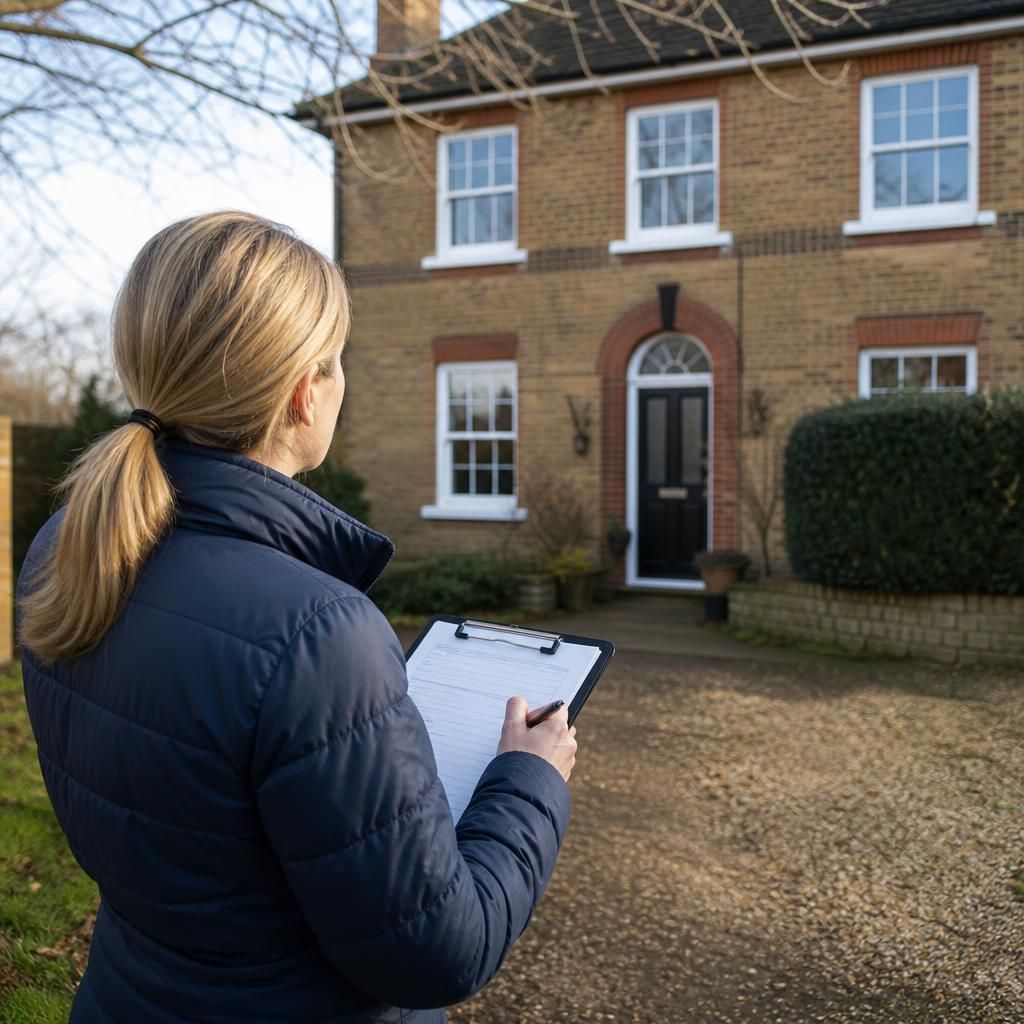
Protecting an inherited property while it is being prepared for sale is part of preserving its market value. If the property is empty, arrange regular inspections, keep essential services managed appropriately and deal with leaks, damp, frost damage or security problems promptly. Check the buildings insurance conditions, as an unoccupied home may require specific notification or precautions.
Keep records of inspections, maintenance and any remedial work. This evidence can help explain the property’s condition to prospective buyers and may prevent a minor defect from becoming a more expensive issue before marketing begins. Where the property is occupied by tenants or family members, agree access and maintenance arrangements in writing so preparation work does not create avoidable disputes.