

What are the necessary steps to complete a sale of inherited property before probate is granted?
To sell an inherited property before probate is granted, confirm who has authority to act, instruct a probate solicitor, obtain the required property and title information, agree a sale subject to probate, and complete only when the legal requirements and grant allow it. The executor or administrator should also check the will, obtain beneficiary agreement where appropriate, settle outstanding liabilities and ensure the sale proceeds are paid into the estate for distribution.
Completing a sale of inherited property before probate is granted normally involves agreeing a conditional transaction, progressing the estate administration in parallel and delaying legal completion until the personal representatives can satisfy the conveyancing requirements. The exact procedure depends on the UK jurisdiction, the wording of the will, the title to the property and whether inheritance tax or other estate issues must be dealt with first.
1. Confirm which probate process applies
Probate terminology is commonly used for England and Wales, but Scotland and Northern Ireland have different procedures and documents. The solicitor handling the estate should confirm which authority is required and whether the deceased owned the property solely, jointly or through another arrangement. Joint ownership can affect whether the property forms part of the estate and how it can be sold.
The solicitor should also check whether the will contains restrictions, trusts, life interests or directions affecting the property. If there is no will, the intestacy rules apply and the people entitled to administer the estate may differ from those who expected to inherit.
2. Check the title and property records
A conveyancer should review the registered title or, where relevant, the property’s historic deeds. This can reveal mortgages, restrictions, lease terms, rights of way, notices, charges or names that do not match the current estate documentation. Any discrepancy should be investigated before a buyer is asked to commit to the purchase.
Where the property is leasehold, the sale may also require information from the freeholder or managing agent. Ground rent, service charge, planned works, consent requirements and the remaining lease term can all affect the transaction. Resolving these matters early helps prevent avoidable enquiries later.
3. Decide how the property will be sold
The personal representatives should compare an open-market sale with a direct sale to a cash purchaser. The relevant comparison is not only the proposed price. It should include estate-agent fees, the likely level of buyer enquiries, the condition of the property, the risk of a chain and the time needed to prepare it for marketing.
A cash buyer such as buyhousesfast.co.uk may be able to assess an inherited property in its existing condition, which can be relevant where clearance, repairs or conventional marketing would complicate the estate administration. The proposed buyer should still be checked carefully, and the seller should obtain independent legal advice before signing anything.
4. Obtain and assess the offer
The offer should be recorded clearly, including the price, what is included in the sale, whether vacant possession is required and whether the buyer expects any repairs or documents before completion. The personal representatives should ensure that the agreed price is commercially reasonable and retain evidence of how it was assessed. This is particularly important where there are several beneficiaries or a potential dispute about the administration of the estate.
Any arrangement involving a deposit, an exclusivity period, access before completion or payment of the estate’s expenses should be reviewed by the solicitor. Informal promises made to a buyer can create difficulties if they are not reflected accurately in the written agreement.
5. Use suitable contractual conditions
Before probate is available, the sale contract usually needs carefully drafted conditions. These may make completion conditional on the grant being issued, the personal representatives obtaining the necessary authority, satisfactory title evidence or another specified event. The contract should also state what happens if the condition is not met by a stated date.
The solicitor should explain the difference between an agreement to sell, exchange of contracts and completion. Signing an agreement does not necessarily mean the buyer can receive the property immediately. Exchange may create binding obligations, while completion is the stage at which the purchase money is paid and ownership is transferred. The wording must protect the estate if the probate application takes longer than expected or an unexpected title problem arises.
6. Supply the buyer’s conveyancing information
The buyer’s solicitor will normally request property information forms, title documents, planning and building-regulation records, guarantees, certificates and details of alterations. They may also commission searches or raise enquiries about boundaries, access, flooding, drainage, contamination and local authority matters.
The personal representatives should answer questions accurately and distinguish between facts they know and matters they cannot verify. They should not describe work as approved or completed if supporting documents are missing. If the property has been empty, the buyer should be told any relevant facts about access, services, damage or occupation.
7. Coordinate the probate and conveyancing timetables
Probate administration and conveyancing should progress together, but neither process should be treated as complete merely because the other is advancing. The solicitor may need evidence for the probate application, information for the buyer’s title review and documents showing who can sign on behalf of the estate.
If inheritance tax or another estate liability affects the probate application, the personal representatives should address it through the appropriate professional channels. A sale may provide funds for estate liabilities, but the timing and use of those funds must be agreed with the estate solicitor and any relevant tax adviser. The buyer’s money should not be treated as personal funds of an individual beneficiary.
8. Exchange only when the estate is ready
Before exchange, the solicitor should confirm that the contract conditions, title position, property information and probate strategy are satisfactory. They should also check that every person who must sign has been identified and that any lender’s charge or other financial claim can be dealt with from the sale proceeds.
Exchange before the grant is available can expose the estate to contractual consequences if the required authority is not obtained. Whether it is appropriate depends on the documents, the jurisdiction and the solicitor’s assessment of the risk. A buyer should not be pressured to exchange before these points have been properly explained.
9. Complete and transfer the property
Once the contractual conditions are met, the conveyancer will arrange completion. The buyer’s funds are sent to the estate solicitor, any mortgage or secured charge is redeemed, and the transfer is signed in the correct capacity by the personal representatives. The keys and possession are dealt with according to the contract.
The solicitor should obtain evidence that completion has occurred and arrange registration of the buyer’s ownership. If there are delays with funds, documents or registration requirements, completion should be managed through the conveyancers rather than by informal arrangements between the parties.
10. Record the proceeds and finish the estate administration
After completion, the sale proceeds should be entered into the estate accounts. The personal representatives must account for sale costs, secured borrowing, taxes, professional fees and other valid liabilities before distributing the balance. Beneficiaries should receive a clear statement showing how the net proceeds were calculated.
Keep the contract, completion statement, title documents, valuations, invoices and correspondence with the estate records. These documents may be needed for tax reporting, beneficiary queries or any later challenge to the administration. Because the rules differ across the UK and individual estates can involve trusts, disputes or tax complications, independent advice from a probate solicitor is appropriate before committing to a pre-probate sale.
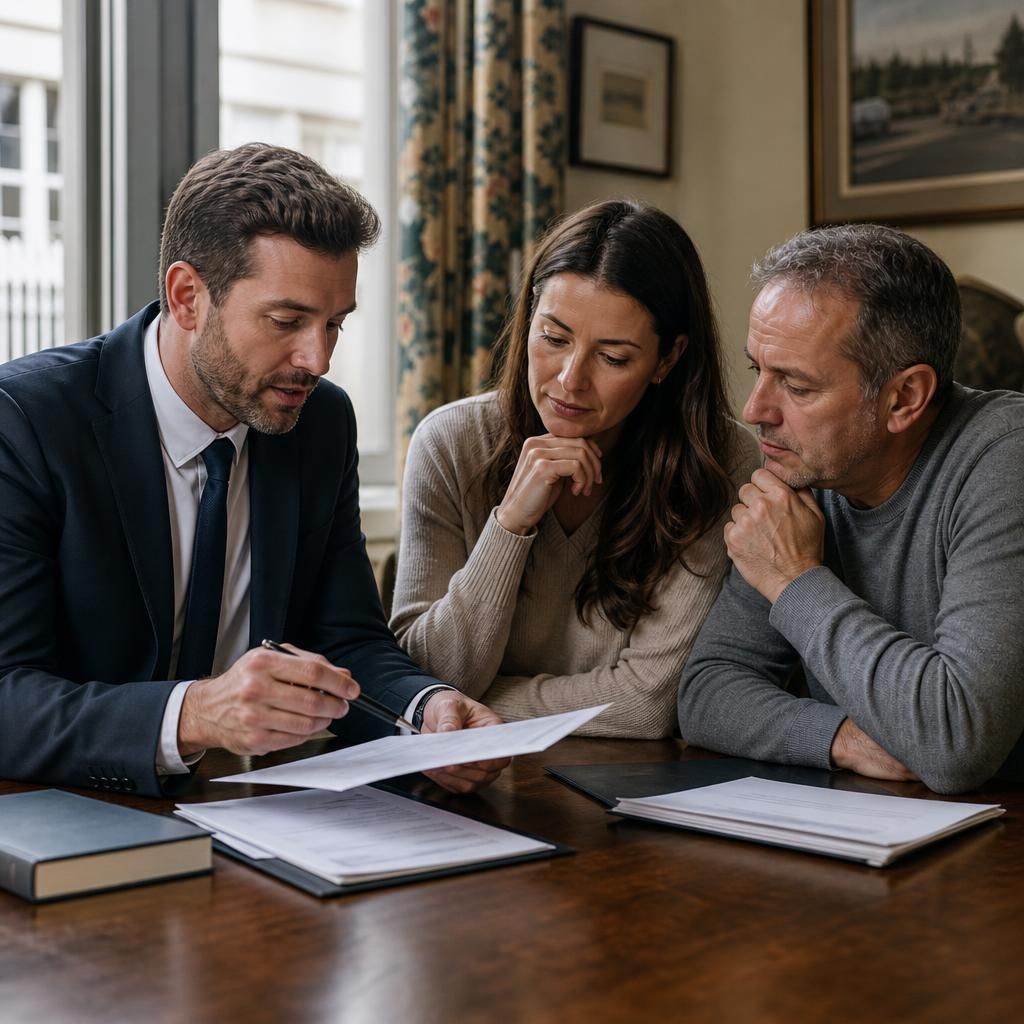
A beneficiary’s agreement is not the same as legal authority to sell an inherited property. The power to enter into a contract normally rests with the properly appointed personal representatives, subject to the will, the title and the rules applying in the relevant UK jurisdiction. Beneficiaries may still need to be consulted, particularly where the sale price or proposed terms could be challenged.
Before accepting an offer, the estate solicitor should identify who must approve or sign the transaction. This may include surviving owners, trustees or other people with a legal interest in the property. Keeping written records of valuations, discussions and decisions can help demonstrate that the personal representatives acted properly and in the estate’s interests.
Discuss Selling Your Inherited Property Before Probate
If you are considering selling an inherited property before probate is granted, discuss the circumstances and proposed terms with buyhousesfast.co.uk alongside your probate solicitor. This can help you assess whether a direct cash sale is suitable for the estate.