
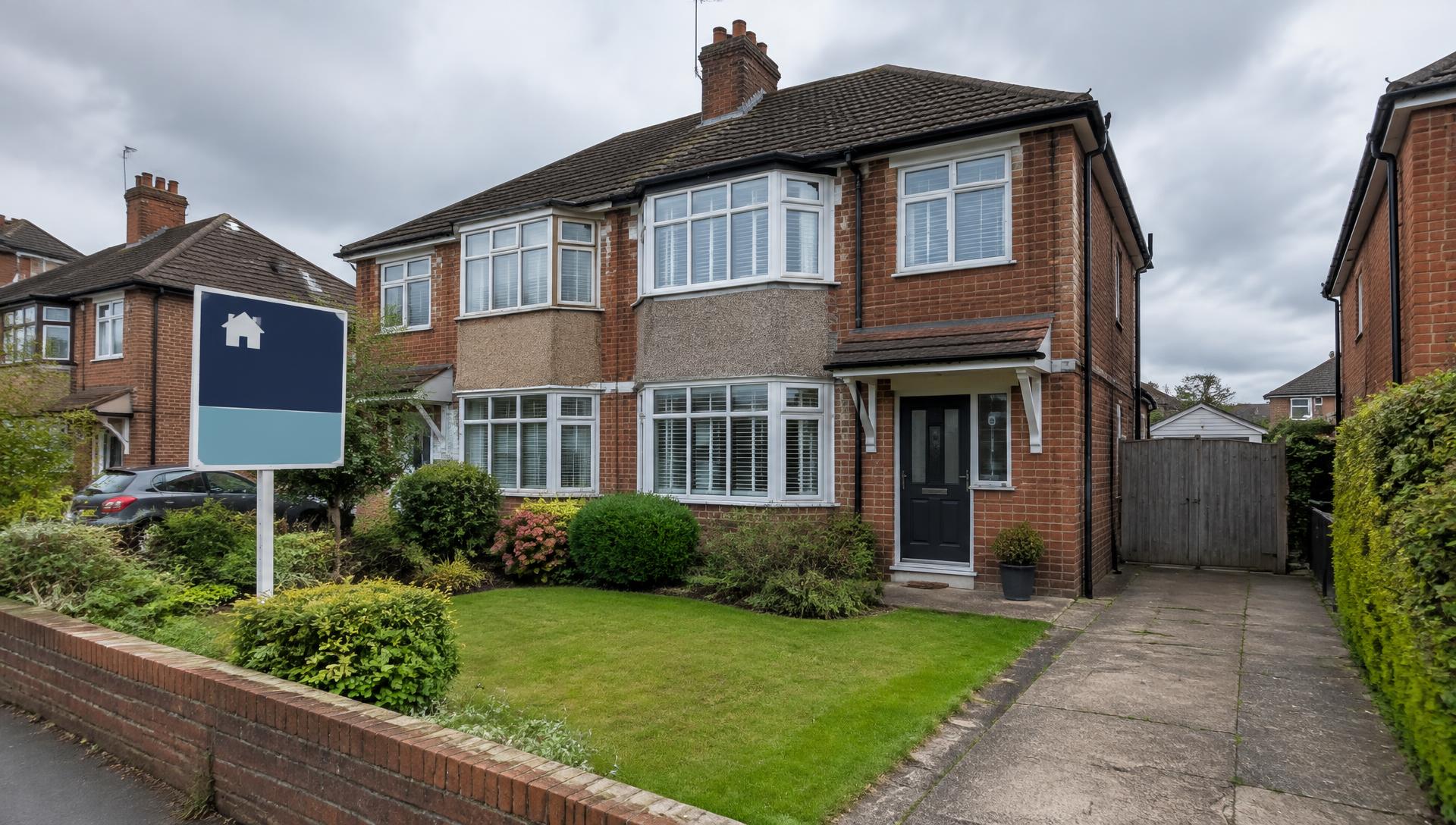
How long does the cash sale process for an inherited property usually take?
A cash sale for an inherited property can often complete in a few weeks, but the timescale varies according to probate, title checks, conveyancing and any issues affecting the property. If the estate is not legally ready to sell, the process may take considerably longer.
The timescale for a cash sale of an inherited property is governed mainly by whether the estate has authority to sell and whether the title and property are straightforward. A legally ready estate with one clear owner, complete paperwork and no significant property issues can move through conveyancing efficiently. If probate or confirmation is still outstanding, the sale may not be able to complete until the personal representative has the necessary authority.
A cash buyer removes the need for a purchaser’s mortgage application and lender valuation, but it does not remove the legal checks required for an inherited property. The usual process involves several distinct stages:
- Establishing authority to sell: The executor or administrator must show that they are entitled to deal with the property. In England and Wales, this will usually involve a grant of probate or letters of administration. In Scotland, the equivalent authority is confirmation. The position can be different where the property is held jointly or passes under survivorship rules.
- Agreeing the sale: The property is assessed, the price and terms are agreed, and the buyer’s details are provided to the conveyancer. At this point, it is important to explain that the property is inherited and identify every personal representative involved.
- Conveyancing and title checks: Solicitors check the Land Registry title, ownership, restrictions, charges, rights of way and any issues affecting the legal transfer. They also deal with property information forms, fixtures and fittings, searches where required, and questions raised by the buyer.
- Resolving enquiries: The buyer may ask about alterations, planning permission, building regulations, boundaries, access, damp, structural defects, insurance claims, occupiers or disputes. The more complete the available information, the less likely it is that the transaction will pause while documents are located.
- Exchange and completion: Once the legal work is satisfactory, contracts can be exchanged and a completion date agreed. Ownership transfers at completion, subject to the sale contract and any conditions that have been agreed.
Probate is often the most significant variable. If the grant or confirmation has already been obtained, the legal representative can generally provide the conveyancer with evidence of their authority at the start of the sale. If it is pending, the property can sometimes be marketed or a transaction progressed in preparation, but completion may need to wait for the relevant document. An intestate estate, an unclear will, missing beneficiaries or disagreement between beneficiaries can add further work.
The property itself can also affect the timetable. Leasehold homes may require information from the freeholder or managing agent, while unregistered land, defective titles, absent documents and unresolved boundary matters can require additional investigation. A tenant or other occupier may need to leave before completion. A mortgage or other charge registered against the property must also be dealt with, even though the incoming buyer is not relying on mortgage finance.
Cash therefore changes one part of the process rather than bypassing it. There is normally no need to wait for the buyer’s mortgage offer, lender conditions or a related sale in a property chain. However, the buyer still needs to establish that they will receive good title and that the sale is properly authorised. A solicitor should also confirm how sale proceeds will be distributed, particularly where there are several beneficiaries or estate debts.
The process is more likely to stay on track when the executor or administrator:
- instructs a conveyancer experienced in probate property sales;
- provides the grant of probate, letters of administration or confirmation as soon as it is available;
- locates the title information, guarantees, planning documents, certificates, leases and details of any finance;
- makes all beneficiaries aware of the proposed sale and obtains agreement where required;
- discloses known defects, alterations, disputes, occupiers and restrictions at the outset; and
- keeps the property insured and secure until legal completion.
It is sensible to distinguish between agreeing a cash offer and completing the sale. An offer can be accepted while legal checks are still outstanding, but the property is not sold until contracts have been exchanged and completion has taken place. The conveyancer can give a more reliable estimate after reviewing the probate position, title and property information.
For that reason, an uncomplicated inherited-property sale may proceed in a few weeks once the estate is legally ready, whereas a sale involving unresolved probate, multiple representatives, title defects or substantial enquiries can take considerably longer. The most useful first step is to identify what authority already exists and ask the conveyancer to list the documents or issues that could prevent completion.
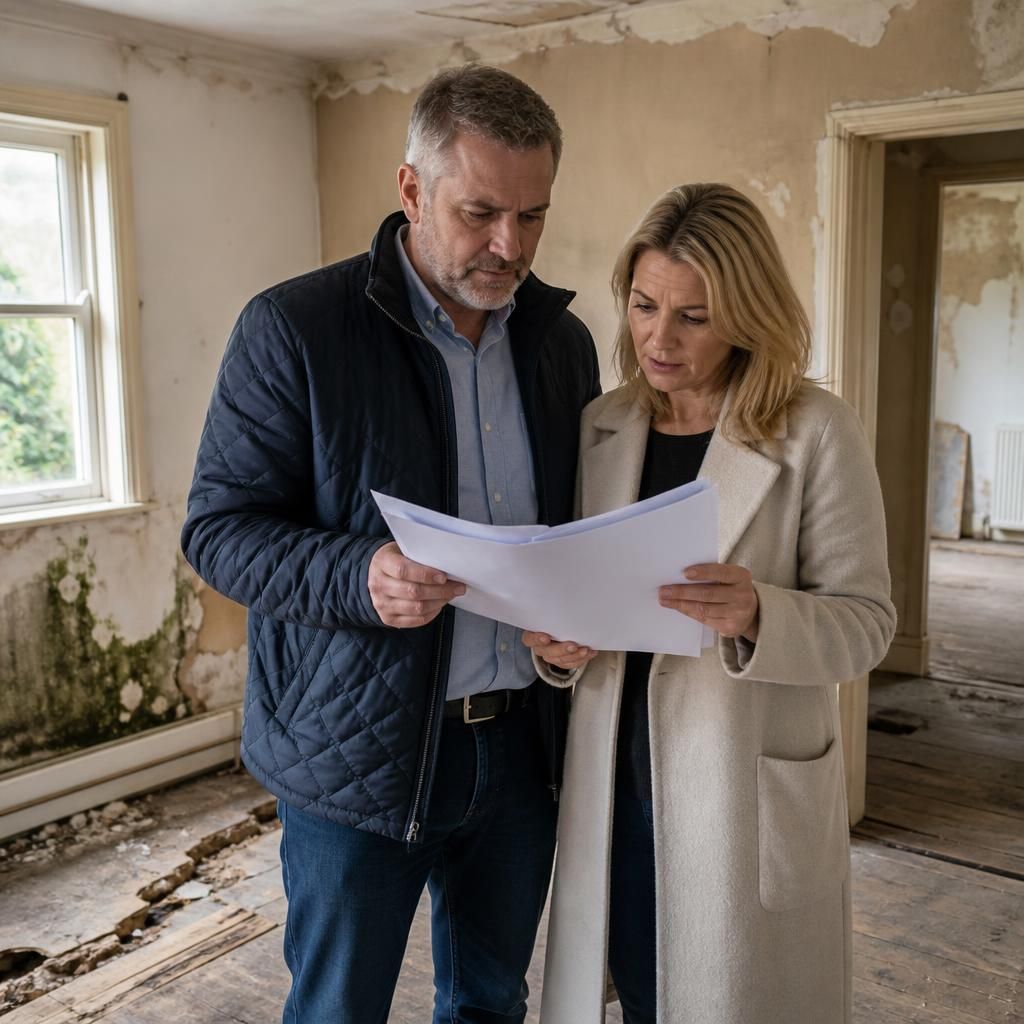
The inherited property does not necessarily need to be renovated before a cash sale can proceed. However, its condition should be described accurately, including any known damp, structural movement, contamination, fire damage or missing services. A buyer may need to assess the implications of these issues before confirming the price and contract terms, so clear information can help avoid later amendments or additional enquiries.
Where the property is vacant, the executor or administrator should also ensure it remains secure and appropriately insured while the sale is pending. If the home is occupied, arrangements for vacant possession may need to be agreed before completion, which can add a separate practical step to the timetable.