

What documentation is required to sell an inherited property for cash?
To sell an inherited property for cash, you will usually need the death certificate, the will or other evidence of entitlement, the Grant of Probate or Letters of Administration, identification for the sellers, and the property’s title information. You may also need mortgage details, property-related documents and authority from all personal representatives or beneficiaries involved.
The documents needed for a cash sale of an inherited property fall into four groups: paperwork proving the seller’s authority, documents confirming ownership, information about the property itself, and records relating to finance or occupation. A cash buyer may not need a mortgage valuation, but the legal checks still require accurate supporting evidence.
Identity and conveyancing documents
The conveyancer acting for the estate will normally request identity and address evidence from each person signing the sale documents. This is part of anti-money-laundering compliance and commonly involves a current photographic identity document and separate proof of address. The conveyancer may also ask for the full legal name, date of birth, contact details and residential history of each personal representative.
If a solicitor or conveyancer is instructed by the executors, the firm will provide its client-care and authority forms. These confirm who the firm represents, who can give instructions and where the sale proceeds should be sent. If the proceeds are to go into an estate account, bank details and evidence of the account may also be requested.
Title and ownership records
The legal representative will obtain official copies of the property register and title plan. These show the registered owner, property boundaries, mortgages, restrictions, covenants and rights affecting the land. Older properties may also have paper deeds, conveyances or other historic documents that clarify boundaries or rights not fully explained by the modern register.
Particular attention is needed where the register contains a restriction requiring consent from another party, where the property is subject to a trust, or where the deceased’s name does not match the name shown on the title. A conveyancer may need evidence explaining a change of name, a transfer into the deceased’s name or the removal of an existing charge before completion can take place.
Property information forms
The seller will usually be asked to complete a property information form. For an inherited property, the personal representative may not know the answers to every question, particularly if the deceased lived elsewhere or the property has been empty. Unknown information should be stated accurately rather than guessed. The buyer and their solicitor can then decide whether further enquiries or specialist reports are needed.
Depending on the property, further forms may cover:
- fixtures and fittings that will remain at the property;
- leasehold or managed-estate information;
- boundaries, shared access and maintenance responsibilities;
- rights of way, parking arrangements and communal areas; and
- planning history, alterations and building works.
Evidence for alterations and condition
Gather any paperwork for extensions, conversions, loft work, replacement windows, electrical installations, boilers, roof work or structural repairs. Useful records include planning permissions, building regulation completion certificates, guarantees, warranties, inspection reports and installation certificates. These documents are not always essential to accepting an offer, but missing evidence can lead to additional legal enquiries or a request for an indemnity policy.
Also provide information about known defects, subsidence, flooding, Japanese knotweed, asbestos or previous insurance claims where applicable. Concealing a known issue can create legal problems after the sale. A cash transaction does not remove the seller’s responsibility to answer conveyancing enquiries honestly.
Mortgage and other financial records
If the property has a mortgage, secured loan, equity-release arrangement or other charge, the conveyancer will need the lender’s details and an up-to-date redemption statement. The amount required to repay a debt can change, so an old statement may not be sufficient for completion. Any restriction registered against the title must also be dealt with.
Where the property has been empty, retain records for buildings insurance, council tax, utility accounts and alarm or security services. These are not normally title documents, but they help the estate deal with outstanding balances and transfer or cancel services correctly.
Tenancy and occupancy paperwork
If someone occupies the property, provide the tenancy agreement, rent account, deposit information, correspondence about repairs and any notices served. The buyer needs to know whether the sale is with vacant possession or subject to an existing tenancy. A property occupied by a tenant cannot simply be treated as vacant because the owner has died.
Details of lodgers, family members, informal occupiers or anyone claiming a right to remain should also be disclosed. The conveyancer may need signed agreements, releases or separate legal advice before the sale can proceed.
Leasehold and managed-property documents
For a leasehold flat or house, request the lease, recent service-charge and ground-rent statements, building-insurance schedule, notices of planned major works and the managing agent’s information pack. The lease may contain restrictions on assignment, notice requirements or fees payable when ownership changes. Delays often arise when information must be obtained from a freeholder or managing agent, so these records should be requested early.
What happens if documents are missing?
Missing paperwork does not necessarily prevent a cash sale. The conveyancer may obtain replacement copies from the Land Registry, local authority, lender, managing agent or the relevant installer. In some cases, a statutory declaration, a specialist indemnity policy or an undertaking to provide documents later may be considered. Whether that is acceptable depends on the defect, the buyer’s legal advice and the terms of the policy.
A useful first step is to create a document file containing title papers, property information, finance records, tenancy material and certificates for alterations. Give it to the conveyancer at the start of the transaction and identify anything unavailable. This allows unresolved points to be assessed before contracts are prepared, rather than discovered immediately before completion.
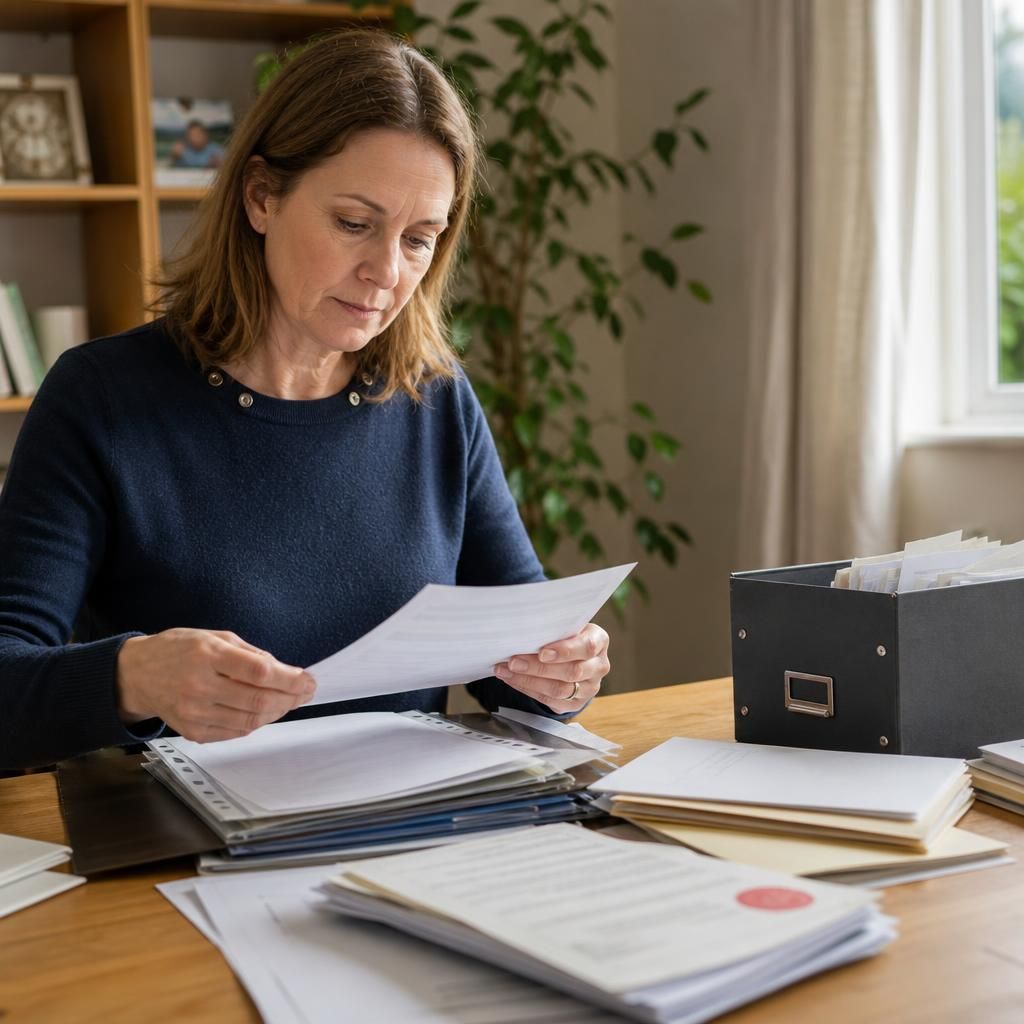
Keep original documents safe and provide clear copies to the conveyancer unless they specifically request the originals. This is particularly important for the Grant of Probate or Letters of Administration, the death certificate and any historic deeds. Scanned copies can help with initial checks, but a conveyancer may need to verify an original or properly certified copy before accepting the estate’s authority to sell.
Use consistent names and property details across every document. If a deed, grant or identity document contains a different spelling, former name or incomplete address, explain the discrepancy at the outset and supply supporting evidence where available. Resolving inconsistencies early helps prevent further enquiries when the sale contract and transfer are prepared.
Get guidance on the documents needed to sell your inherited property for cash
If you are ready to discuss selling your inherited property for cash, contact buyhousesfast.co.uk with the property details and any documentation you have available. They can explain the next steps and identify which outstanding documents may need attention.