

What factors should I consider when valuing an inherited property for sale?
When valuing an inherited property for sale, consider its location, size, condition, features, comparable local sales and any work needed before marketing. Also account for probate status, legal restrictions, outstanding secured lending and potential tax consequences, as these can affect the practical sale value and the amount ultimately received.
An inherited property should be valued by separating its open-market value from the amount the estate is likely to receive after sale costs, finance, clearance and any other deductions. The most reliable assessment uses the property’s legal status, market evidence and condition at a clearly defined valuation date, rather than relying only on an online estimate or an asking price.
Start by identifying the purpose and date of the valuation
The appropriate valuation can differ depending on why it is needed. A valuation prepared for estate administration or inheritance tax purposes may need to reflect the property’s market value at the relevant date, often the date of death. A later valuation for marketing or negotiation should reflect current market conditions. Keeping these purposes separate helps prevent confusion between the figure used for administrative reporting and the price that may be achievable when the property is eventually sold.
Ask the valuer to state the valuation date, the assumptions made and whether the figure represents vacant possession. If the property has changed materially since the relevant date, retain photographs, invoices and other records showing its earlier state. These documents may help explain why a later valuation differs from the original assessment.
Use appropriate and independent evidence
Online calculators can provide a broad indication, but they cannot inspect the property or identify title-specific issues. Written opinions from local estate agents may help with a marketing strategy, while a formal valuation by a suitably qualified surveyor may be more appropriate for estate, legal or tax records. The person providing the valuation should understand the local market and the type of property involved.
When comparing professional opinions, look beyond the headline figure. Check which comparable transactions were used, whether they involved similar tenure and accommodation, and whether the properties were genuinely comparable in age, layout and accessibility. A higher estimate is not automatically the most credible. Evidence from completed sales is generally more useful than asking prices, because asking prices show sellers’ expectations rather than confirmed market outcomes.
Examine ownership and occupation arrangements
The property’s saleability may depend on who can occupy it and what rights other people have. A tenant, lodger or family member may have an agreement or statutory rights that affect possession. A property sold with an occupant in place may attract a different group of buyers from one that can be handed over empty.
Review tenancy agreements, notices, rent records and any correspondence relating to occupation before agreeing a value. Do not assume that an informal arrangement has no effect. If several beneficiaries own the property, the valuer and conveyancer should also be told how ownership is recorded and whether all necessary parties can authorise the sale.
Check tenure and title information
Freehold and leasehold properties are not valued in the same way. For a leasehold property, the remaining lease term, ground rent provisions, service charges, planned major works and restrictions on alterations can influence buyer demand and mortgageability. Obtain the lease, recent service-charge information and relevant management-company documents where available.
Title plans and registers can reveal rights of way, covenants, access arrangements, restrictions on use or obligations affecting maintenance. These matters do not always prevent a sale, but they can reduce the number of interested purchasers or lead to further enquiries. A valuer’s assumptions should be checked against the legal documents rather than treated as a substitute for conveyancing advice.
Assess the property’s presentation without over-improving it
Inherited homes often contain furniture, personal belongings or accumulated contents. Valuation should distinguish the real property from removable possessions. Clearance, storage, cleaning and disposal may affect the net proceeds, but spending heavily on refurbishment does not necessarily add the same amount to the sale price.
Prioritise defects that could prevent a transaction or cause a lender, surveyor or buyer to raise serious concerns. Examples include significant damp, roof failure, unsafe electrical installations, drainage problems or evidence of movement. Obtain specialist reports where necessary and keep quotations for remedial work. This creates a more realistic basis for deciding whether to repair, sell in the existing condition or obtain a further valuation after works are complete.
Consider how the property will be sold
Open-market value assumes an appropriate marketing process and a willing buyer and seller. It is not necessarily the same as a quick-sale figure, an auction guide price or a cash purchaser’s offer. The intended route affects the likely buyer pool, the level of preparation required and the deductions that may arise.
Compare offers on a net basis. Consider the proposed price alongside conveyancing costs, agent or auction charges, clearance, repairs, mortgage redemption, service-charge arrears and any other estate liabilities. A nominally higher offer may produce less for the beneficiaries if it depends on extensive preparation or carries a greater risk of delay and renegotiation. Conversely, a lower as-is offer may be practical where the estate cannot fund works or manage an extended marketing process.
Allow for uncertainty and obtain advice where needed
A valuation is an informed estimate, not a guaranteed sale price. Market conditions can change between the valuation date and completion, and a survey may reveal information that was not visible during an initial inspection. Record the assumptions supporting the figure and revisit it if there is a substantial change in the property, title, occupation or market.
Where the estate involves several beneficiaries, disagreement about the price, an absent owner, an uncertain title or a dispute about the property, obtain advice from the executor’s solicitor and an appropriately qualified valuer. Keep valuation reports, comparable evidence and sale-related expenditure with the estate records. This provides a clear audit trail and helps beneficiaries understand how the proposed sale price was reached.
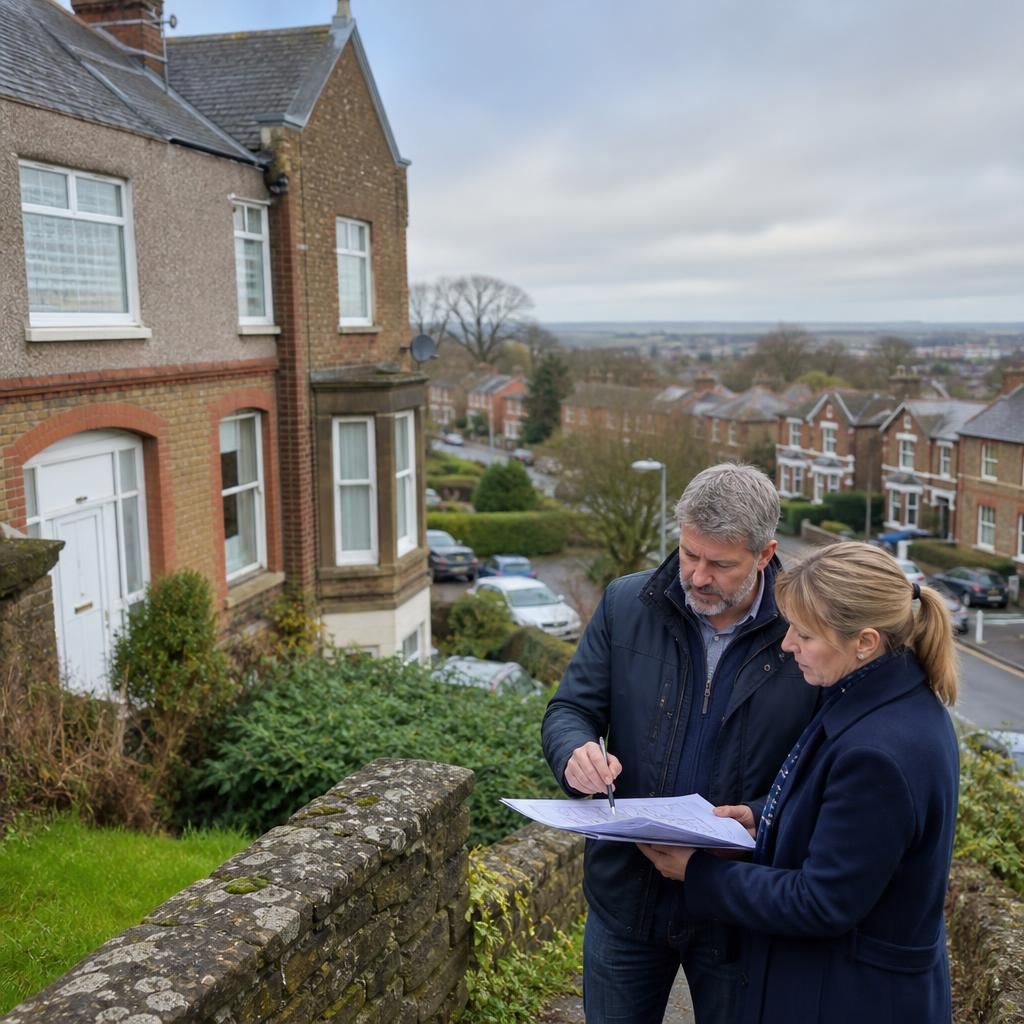
Location value is influenced by more than the property’s postcode. External conditions can increase or reduce buyer demand, so check the surroundings as well as the building itself before accepting a valuation.
- Review nearby planning applications and proposed developments, including changes to roads, housing, retail or infrastructure.
- Consider flood risk, environmental constraints, contaminated land records and exposure to traffic, noise or commercial activity.
- Assess access to transport, shops, schools and other facilities, while recognising that their effect varies between different types of buyer.
- Check whether the property benefits from features such as a private outlook, parking or development potential, and whether neighbouring changes could affect those benefits.
Where an external factor could materially affect demand, ask the valuer to address it specifically and retain any supporting planning or environmental information with the valuation records.