

How can selling my house to a cash buyer help prevent repossession?
Selling your house to a cash buyer may provide proceeds to repay mortgage arrears and redeem the outstanding loan before repossession progresses. The sale must be assessed against the lender’s timescales and your legal position, so obtain independent legal and financial advice before agreeing to proceed.
Selling to a cash buyer can help prevent repossession by replacing a forced-sale process with a voluntary property sale, provided the transaction completes before the lender takes possession and the agreed funds are sufficient to deal with the mortgage balance and any other secured liabilities. The key benefit is the opportunity to resolve the situation on terms you help control, rather than allowing the lender’s enforcement timetable to determine what happens to the property.
A cash buyer normally does not need to arrange a mortgage to purchase the property. This can remove the risk of a buyer’s mortgage application being declined or delayed, although the sale still requires conveyancing, title checks, property information and any other necessary legal work. You should ask for evidence that the buyer has the funds available and ensure that all proposals are documented.
The first practical step is to obtain an up-to-date redemption statement from your mortgage lender. This should show the amount required to settle the mortgage on a specified date and may identify arrears, interest, legal costs or early repayment charges. Compare that figure with a realistic estimate of the property’s sale value and deduct estate, legal and other transaction costs. This calculation indicates whether a cash sale could clear the secured borrowing and whether any surplus might remain.
If the property is worth more than the amount needed to settle the mortgage and sale costs, the remaining equity may be available to you after completion, subject to any other claims against the property. If the sale price is lower than the total secured debt, selling may require the lender’s written agreement to accept less than the full balance. A shortfall is not automatically cancelled; depending on the arrangement, you could remain liable for part of the debt after the property has been sold.
Timing is particularly important once formal arrears or possession proceedings have started. Tell the lender that you are pursuing a sale and provide evidence of genuine progress, such as the buyer’s details, an agreed price and your conveyancer’s information. This does not automatically stop court action or postpone an eviction. Only the lender or the court can confirm what effect a proposed sale has on the relevant proceedings, so do not rely on informal assurances.
Before accepting an offer, check the following:
- Whether the price is based on a proper assessment of the property and is sufficient for the proposed settlement.
- Whether the buyer has explained the source and availability of the funds.
- Whether the offer is conditional on surveys, searches, planning matters or another sale.
- Which fees, repair costs or deductions will be taken from the agreed price.
- Whether the contract contains provisions that could leave you committed if completion does not occur.
- Whether there are second charges, restrictions, matrimonial interests, probate issues or other title matters that must be resolved.
Using an independent conveyancer is important. They can review the contract, communicate with the mortgage lender, identify restrictions on the title and explain the consequences of completion. If the property is jointly owned, all relevant owners may need to participate. Divorce, probate, bankruptcy and disputes over beneficial ownership can affect the ability to sell and may require separate legal advice.
A cash sale is not suitable in every case. If the lender has already obtained a possession order, the available timeframe may be limited. If there is insufficient equity, another solution may be needed, such as an affordable repayment arrangement, support from a debt adviser or a negotiated shortfall agreement. Selling also means leaving the property, so consider alternative accommodation, storage and the effect on anyone living there before signing a contract.
Be cautious of pressure to sign immediately, requests for unexplained upfront payments, unclear deductions or arrangements that allow you to remain in the property without proper legal documentation. A buyer’s claim that a sale will definitely stop repossession should be treated carefully until your lender and solicitor have confirmed the position in writing.
The safest approach is to contact the mortgage lender, obtain the exact settlement information, seek independent legal and debt advice, and assess a documented cash offer against the lender’s deadline. A completed voluntary sale may avoid the consequences of possession proceedings, but the outcome depends on the price, available equity, legal title and whether completion occurs in time.
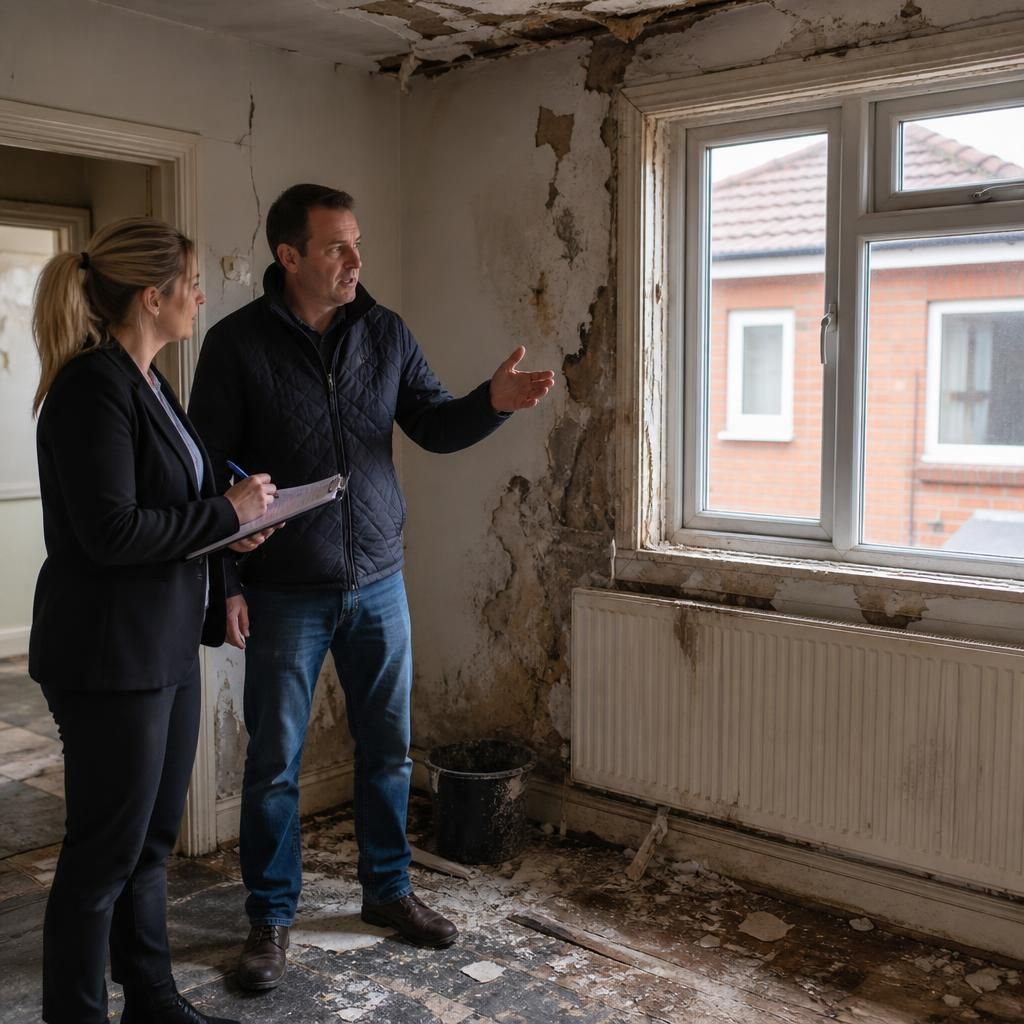
A cash sale may be an option when a property’s condition or circumstances make a conventional sale difficult. Significant repairs, fire or water damage, tenancy issues, probate complications or other legal matters can reduce the number of potential buyers and make a standard marketing process harder to manage while mortgage arrears continue.
A buyer may assess the property in its present condition rather than requiring you to complete extensive works before agreeing a purchase. This does not remove the need for title checks, lender approval where required, or proper conveyancing, and the offer should still be compared with the redemption figure and all sale costs. Where the property has unusual problems, ask the buyer to explain in writing how those issues affect the price, contract and expected completion process.