
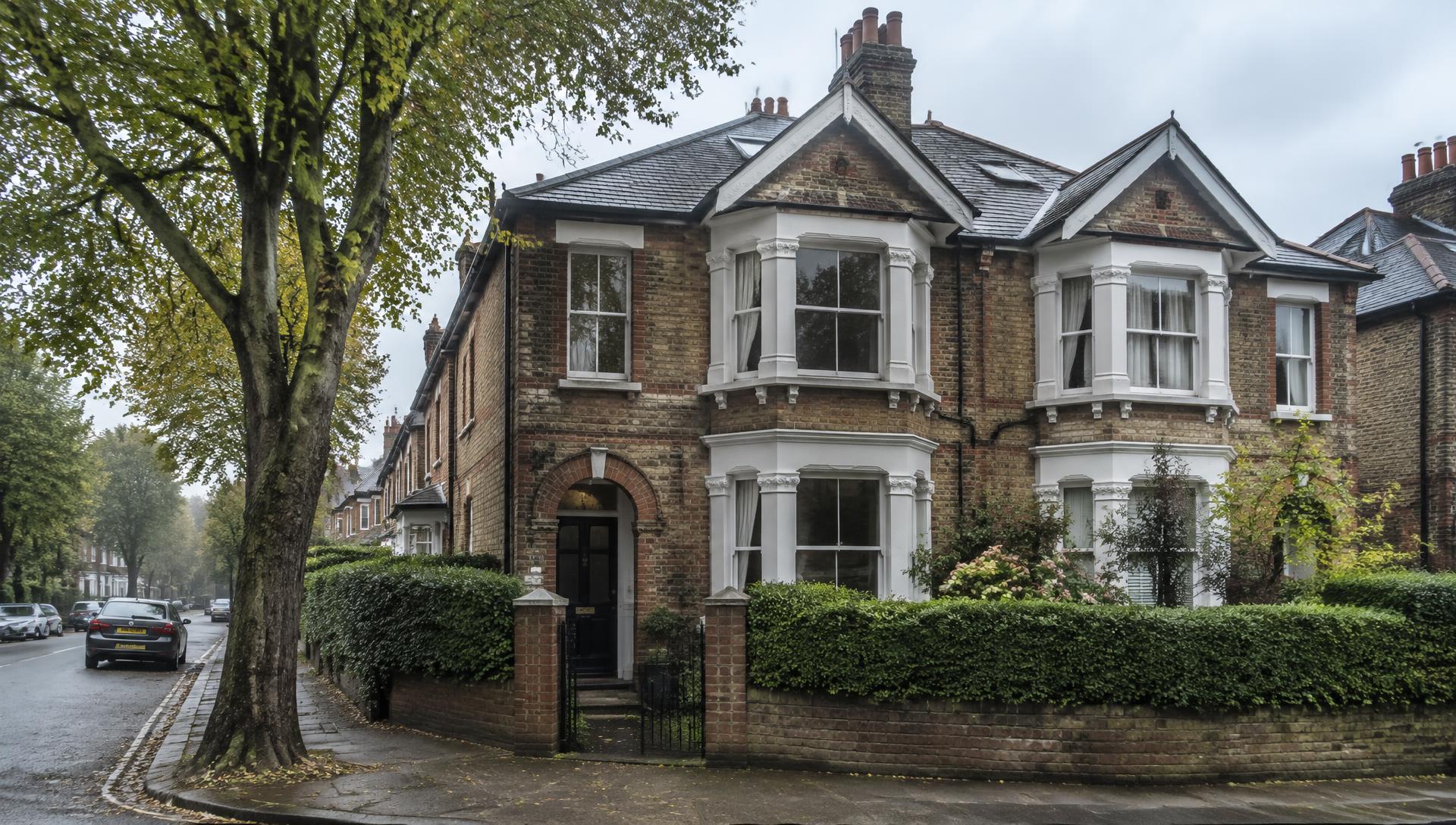
What challenges might arise when selling a property with a Deed of Probate?
Selling a property with a Deed of Probate can involve delays while the executor confirms their legal authority, identifies beneficiaries and resolves outstanding debts or disputes. Other challenges may include agreeing a sale between beneficiaries, preparing an unoccupied or poorly maintained property and meeting the legal requirements for transferring the deceased owner’s property.
Selling a property with a Deed of Probate can be more complicated than an ordinary sale because the transaction must satisfy both conveyancing requirements and estate-administration rules. The main difficulties usually concern proving the deceased’s ownership, supplying complete property information, coordinating the people entitled to sign and preventing new enquiries from delaying exchange or completion.
Confirming the correct legal document
“Deed of Probate” is often used informally to describe the document giving personal representatives authority to deal with an estate. In England and Wales, this is generally a Grant of Probate where there is a valid will. If the deceased left no will, the relevant document may instead be Letters of Administration. The distinction matters because the conveyancer and Land Registry will need the correct evidence before the sale can proceed.
A further complication can arise where the named executor has died, cannot act, or has been removed from the administration. The estate may then need additional documentation before another person can sign. A solicitor should check the grant, the will and the proposed contract at an early stage rather than assuming that possession of one probate document settles every authority issue.
Establishing the property’s ownership and title
The deceased may not have owned the property alone. It could have been held jointly, subject to a trust, or registered in a way that does not clearly reflect the family’s understanding. The title may also contain restrictions requiring evidence about the estate or the person entitled to give a valid receipt for the sale proceeds.
Unregistered land presents an additional challenge. Instead of relying only on an official copy of the register, the conveyancer may have to review historic deeds and other ownership documents. Missing deeds, inconsistent names or an address that differs between documents can lead to extra enquiries and may require statutory declarations or indemnity insurance.
Obtaining accurate property information
The seller’s solicitor will normally need details about alterations, planning permissions, building regulations, guarantees, boundaries, access and disputes. An executor may not have lived at the property and may not know why an extension was built, who maintains a shared driveway or whether a boiler or roof has a transferable guarantee. Incomplete answers can prompt further questions from the buyer and create a risk that information is supplied inaccurately.
Where records cannot be found, the practical options may include contacting the local authority, checking archived paperwork, asking contractors or obtaining specialist advice. A buyer may also request indemnity insurance, although the suitability and cost of that cover depend on the particular defect and the policy terms.
Managing mortgages, charges and sale proceeds
A property can remain subject to a mortgage, equity charge, restriction or other registered interest after the owner’s death. The executor needs to obtain up-to-date redemption information and ensure that all charges capable of being cleared from the sale are dealt with correctly. If the sale price may not cover secured borrowing and selling costs, the lender’s consent could be required before the transaction can complete.
The solicitor must also establish where the net proceeds should be paid. Payments may need to go into an estate account rather than a personal account, particularly where there is more than one executor or where the estate is still being administered. Confusion at this stage can delay completion even when the buyer’s funds are ready.
Co-ordinating executors and signatures
Every person required to act for the estate must be identified and must sign the necessary documents in the correct capacity. An executor living abroad, lacking access to suitable identification or unable to sign promptly can affect the timetable. A power of attorney or other formal arrangement may be needed, but it should be prepared and checked before contracts are exchanged.
Executors should avoid signing a contract until the sale terms, completion arrangements and any conditions have been reviewed by the estate solicitor. Once contracts are exchanged, failing to complete can expose the estate to contractual consequences, so authority and practical readiness should be established beforehand.
Leasehold and management information
Leasehold properties create extra administrative work. The buyer may require the lease, service-charge accounts, planned major works information, buildings-insurance details, fire-safety documents and replies from the freeholder or managing agent. There may also be notice fees, consent requirements, arrears or restrictions on assignment.
If the deceased’s papers do not contain recent service-charge statements or correspondence, the executor may need to reconstruct the position. Delays in obtaining a management information pack can hold up the buyer’s solicitor even where the probate documentation itself is satisfactory.
Tax and estate administration questions
The sale may raise tax and accounting questions, particularly if the property is sold after its value has been established for estate purposes or if it has increased in value during the administration period. The executor should keep valuations, sale documents, estate expenses and completion statements. Whether any tax is due depends on the facts and the applicable rules, so specialist advice may be appropriate.
A solicitor handling the conveyancing is not necessarily providing comprehensive tax advice. Keeping the sale separate from assumptions about inheritance tax, income tax or capital gains tax helps prevent errors in the estate accounts.
Reducing avoidable delay
- Instruct a conveyancer experienced in probate transactions and provide the grant, will, title documents and identification at the outset.
- Check whether the property is freehold or leasehold and request any management information as early as possible.
- Locate planning, building-control, guarantee, mortgage and insurance documents before marketing or agreeing a sale.
- Confirm who must sign and how the sale proceeds will be handled.
- Disclose known defects and gaps in information accurately rather than allowing them to emerge late in the transaction.
- Obtain professional advice where the title, estate accounts, tax position or authority of an executor is uncertain.
A cash sale can remove some buyer-mortgage conditions, but it does not remove the need for valid estate authority, satisfactory title and proper conveyancing. A specialist cash buyer may be able to assess a probate property with incomplete information or an unusual legal background, but the executor still has to provide truthful information and comply with the solicitor’s requirements. The safest approach is to identify documentary and title issues before agreeing the final terms, allowing the buyer and both conveyancers to understand what must be resolved.
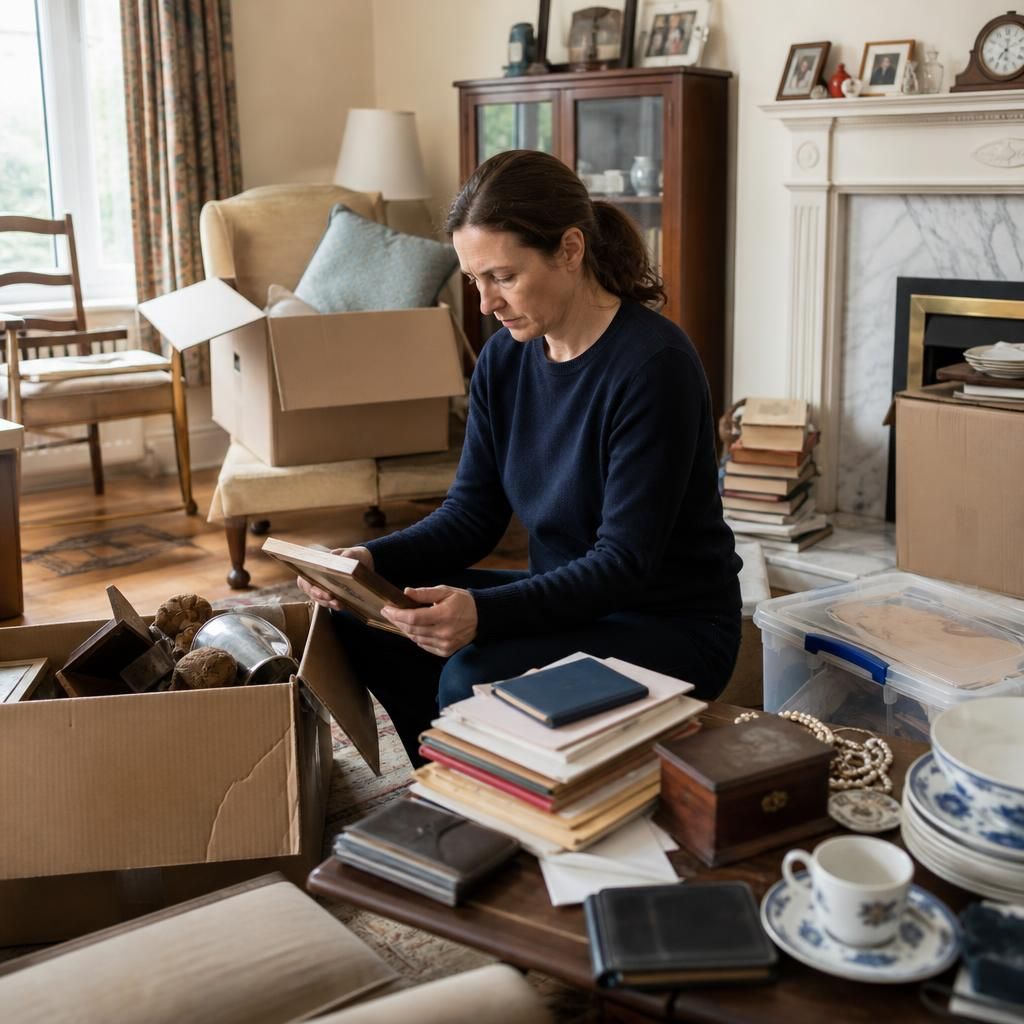
A practical challenge when selling a probate property is dealing with the deceased’s personal belongings before completion. Furniture, jewellery, paperwork and other contents may form part of the estate, so they should not be removed, sold or discarded without checking the will, the estate inventory and any instructions from the solicitor.
The executor may need to arrange valuations for valuable items, secure confidential documents and keep records of items distributed or sold. The property may also need clearing before the buyer takes possession, but clearance should not remove fixtures, certificates or other documents relevant to the sale. Careful records reduce the risk of later questions about missing assets or the condition of the property.
Get Advice on Selling Your Probate Property
If you are considering selling a probate property, contact Buy Houses Fast to discuss your circumstances and the information needed to assess the sale. Independent legal advice should still be obtained where the estate’s authority, title or tax position is uncertain.