

What responsibilities does an executor have when selling a property under a Deed of Probate?
An executor is responsible for administering the deceased’s estate, including confirming authority to sell the property, protecting and maintaining it, obtaining an appropriate valuation, and handling the sale lawfully. They must act in the estate’s best interests, settle relevant debts and expenses from the proceeds, and distribute the remaining estate according to the will.
An executor’s responsibility when selling a probate property is to manage the transaction as part of the estate administration, while protecting the interests of the estate and its beneficiaries. This involves checking the will and ownership records, instructing suitable legal professionals, dealing with interested parties, approving the contract, and ensuring that the sale proceeds are properly recorded and applied.
Confirm the will and the estate’s legal position. Before progressing a sale, the executor should establish whether the property is owned solely by the deceased, jointly with another person, or through a trust. The will should also be reviewed for instructions affecting the property, such as a right of occupation, a specific gift, or a direction to sell. Where there is more than one executor, the relevant executors will generally need to act together unless the legal position allows otherwise.
The term “Deed of Probate” is sometimes used informally when referring to the legal authority needed to deal with a deceased person’s assets. In England and Wales, the usual document is a grant of probate where there is a valid will. Different terminology and procedures apply in Scotland and Northern Ireland. The executor should ensure that the appropriate authority and title documents are available before committing the estate to a sale.
Instruct the right professionals. A solicitor or licensed conveyancer will usually handle the legal work, including checking the title, preparing the contract, responding to enquiries, and registering the transfer. The executor must provide accurate information about the property and the deceased’s ownership. If the title contains restrictions, charges, missing documents, leasehold conditions, or rights affecting the property, these should be identified at an early stage.
Professional advice may also be needed from an accountant, tax adviser, surveyor, or specialist dealing with leasehold or land issues. The executor remains responsible for making decisions for the estate, even where specific tasks have been delegated. They should understand the advice received and keep evidence of important decisions.
Deal fairly with beneficiaries and co-executors. Beneficiaries are entitled to information about the administration of the estate, although an executor does not necessarily have to obtain each beneficiary’s permission before selling a property. The executor should explain the proposed sale, disclose relevant information, and address reasonable questions. If beneficiaries disagree, the executor should avoid taking sides and obtain independent legal advice rather than allowing a dispute to delay or improperly influence the transaction.
An executor should also identify any personal conflict of interest. For example, buying the property personally, selling it to an associate, or accepting an undisclosed benefit can create serious concerns about fairness and breach of duty. A transaction involving an executor or connected person should be handled transparently and supported by independent advice and appropriate evidence of value.
Provide accurate information about the property. The seller’s information supplied during conveyancing must be complete and truthful. This can include details of alterations, planning permissions, building works, disputes, boundaries, access arrangements, flooding, insurance claims, environmental matters, and known defects. The executor may need to make clear where they have limited personal knowledge because the property belonged to the deceased, but that does not remove the need to disclose information held by the estate.
If the property is leasehold, the executor may need to obtain information from the managing agent or freeholder, check service-charge and ground-rent records, and deal with notices or consent requirements. Missing information can lead to additional enquiries, renegotiation, or delay, so relevant papers should be gathered early.
Approve the contract and manage completion. The executor must check the agreed terms before signing or authorising the contract. This includes the price, included fixtures and contents, completion date, vacant-possession arrangements, and any special conditions. They should not remove items that form part of the property or promise vacant possession unless the estate can meet that obligation.
At completion, the executor should ensure that keys, documents, access arrangements, and any agreed belongings are dealt with as set out in the contract. The conveyancer will normally receive the sale proceeds, redeem any secured borrowing or charges that must be paid, and transfer the balance to the estate account. The executor should retain completion statements and supporting records.
Maintain clear estate records. Records should show the property’s valuation, marketing or sale process, offers considered, professional fees, legal costs, taxes, payments made, sale proceeds received, and distributions to beneficiaries. Keeping an estate bank account separate from personal finances helps demonstrate that the money has been handled correctly.
The executor may also need to account for tax arising during the administration period. The treatment depends on the property, the estate, any rental or other income, and changes in value after death. Tax advice should be obtained where the position is not straightforward, particularly before distributing all sale proceeds.
Recognise potential personal liability. An executor can be held personally responsible for losses caused by failing to follow the will, acting negligently, concealing information, distributing money prematurely, or selling on improper terms. A decision does not have to achieve the highest theoretical price in every case, but it should be reasonable, evidence-based, and made for the estate’s proper administration. Where there is a dispute, uncertain ownership, insolvency, or disagreement between beneficiaries, specialist probate advice should be obtained before proceeding.
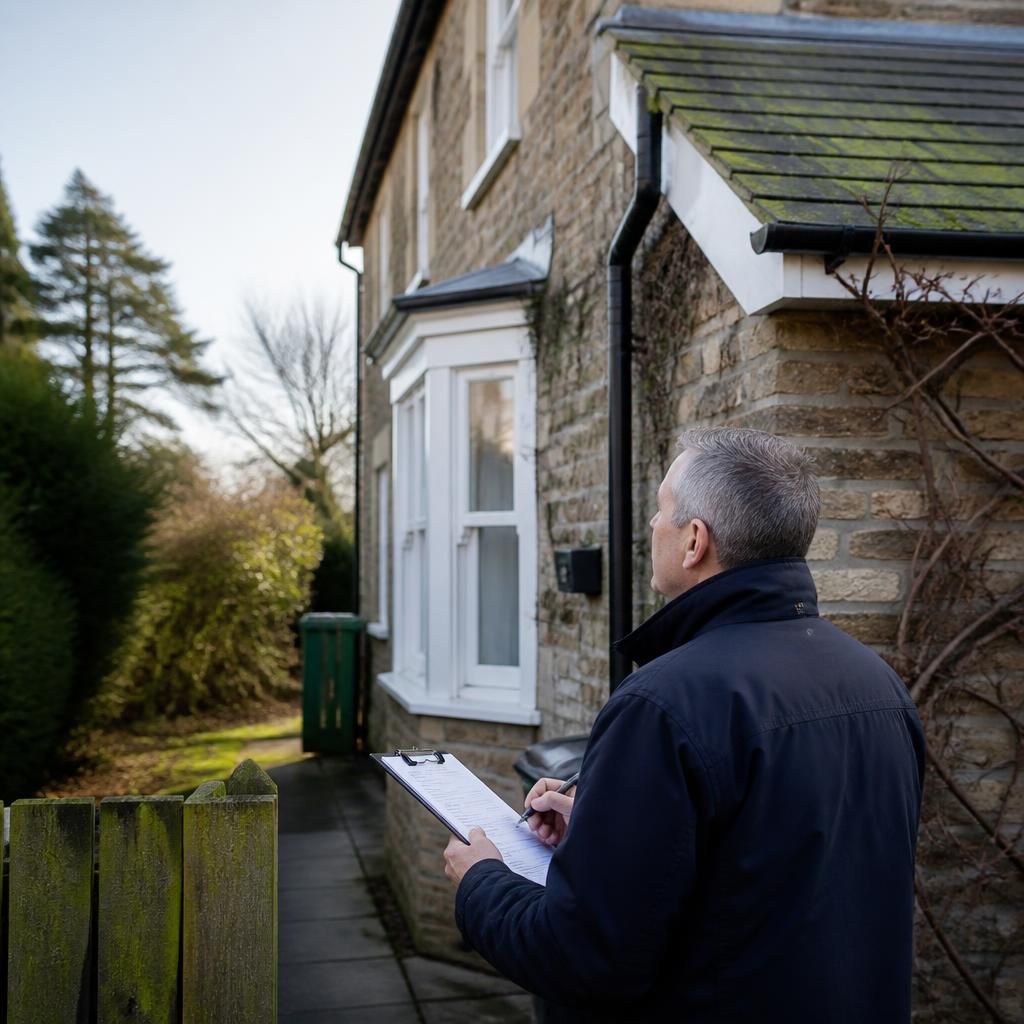
While the sale is being arranged, the executor must protect the property from avoidable loss or deterioration. This includes checking that appropriate buildings insurance remains in place, informing the insurer that the owner has died, arranging essential maintenance, and dealing with urgent issues such as leaks, security problems or damaged services. The executor should also keep records of inspections, repairs and related expenses.
If the property is empty, practical arrangements may include securing doors and windows, managing keys, maintaining heating where necessary, and arranging the collection of post. Any substantial expenditure should be reasonable, supported by invoices and paid from estate funds rather than treated as a personal expense. These steps help preserve the property’s value and reduce the risk of complications when the buyer’s conveyancer raises enquiries.
Get Guidance on Your Responsibilities as an Executor
If you are unsure how an executor’s duties affect a proposed probate property sale, seek guidance before accepting an offer or signing contracts. BuyHousesFast.co.uk can discuss the property and explain the information needed to consider a cash purchase.