

What are the key steps involved in selling a probate property?
Selling a probate property generally involves confirming the executor’s authority, obtaining the Grant of Probate, arranging an accurate valuation, checking the property’s legal and physical condition, choosing a sale method, progressing conveyancing, and completing the transaction. Executors should also account for outstanding mortgage or property costs, inheritance tax obligations and the distribution of the sale proceeds.
Selling a probate property is a coordinated estate-administration process rather than an ordinary house sale. The main work involves keeping the estate properly managed, preparing reliable information for prospective buyers, agreeing suitable terms, and ensuring that the sale proceeds are recorded and dealt with correctly.
- Organise the estate information. Create a central file containing the will or intestacy documents, property details, mortgage statements, insurance information, utility records, maintenance invoices and correspondence with professional advisers. Confirm who is responsible for giving instructions and keep a written record of important decisions. If there is more than one executor, establish how decisions will be approved so that an agent, solicitor or buyer is not given conflicting instructions.
- Protect and manage the property while it is being sold. An unoccupied property should be inspected regularly, kept secure and protected against avoidable damage. Inform the insurer that the property is empty where necessary, deal with leaking plumbing or other urgent defects, and keep essential services operating if they are needed for inspections or conveyancing. Mail should be redirected and valuables, personal papers and medicines removed before viewings begin.
- Prepare the property and its information carefully. Executors should decide which belongings are to be distributed, stored, donated or cleared before marketing. The solicitor and selling agent or buyer will need accurate information about alterations, boundaries, access, parking, rights of way, leases, planning matters and known defects. It is better to disclose relevant issues early than allow them to emerge through enquiries and cause renegotiation later. Keep photographs, certificates, guarantees and planning documents where they are available.
- Compare the available sale routes. A traditional estate-agent sale may provide broad exposure but can involve viewings, a buyer’s mortgage process and a chain. Auction can suit some properties but has its own preparation, bidding and completion rules. A direct sale to a cash buyer may reduce reliance on a purchaser’s mortgage, although the proposed price and contract terms still need careful assessment. The most suitable route depends on the property’s condition, the estate’s priorities, the level of buyer demand and the executors’ tolerance for uncertainty.
- Assess offers on their overall terms. The highest headline offer is not automatically the strongest proposal. Consider whether the buyer has funding evidence, whether the offer is conditional on another sale or survey, the proposed timescale, the level of deposit, included fixtures and fittings, and whether vacant possession is required. Executors should compare the likely net outcome after agreed fees and property costs rather than focusing only on the initial price. Any decision should be documented and, where appropriate, discussed with the estate solicitor or beneficiaries.
- Keep the transaction moving after an offer is accepted. Provide the conveyancer with complete information promptly, respond consistently to enquiries and make sure all executors sign documents in the required form. Agree what remains at the property, settle any practical arrangements for clearance, and check that the buyer’s proposed dates are realistic. An accepted offer is not normally the same as a legally binding sale; the position changes when contracts are exchanged. Until then, matters such as title questions, survey findings or funding issues can still affect the transaction.
- Complete the sale and close the estate records. On completion, confirm that keys, access devices and any agreed documents have been handed over. The conveyancer will account for the sale proceeds, repay secured borrowing where applicable and deduct authorised costs. Executors should retain the completion statement, contract, correspondence, invoices and evidence of payments. The remaining money should not be distributed casually: it may be necessary to reserve funds for estate expenses, taxes, debts or unresolved claims before the balance is divided under the will or intestacy rules.
Several issues can affect the sequence. A property occupied by tenants may require notice and separate consideration of the tenancy. A jointly owned home can raise questions about the form of ownership and who is entitled to give instructions. Missing deeds, unclear boundaries, restrictive covenants, unregistered title or unauthorised alterations may require additional investigation. Where a beneficiary disputes the proposed sale or the estate has unresolved debts, professional advice should be obtained before accepting terms.
Probate sale procedures are not identical throughout the UK. The terminology and court or registry requirements differ between England and Wales, Scotland and Northern Ireland, so executors should use a conveyancer familiar with the relevant jurisdiction. Tax treatment can also depend on the estate’s circumstances, the date of death, the property’s use and the eventual distribution of assets; specialist tax advice is appropriate where the position is not straightforward.
A cash buyer can be one option when executors value a more direct transaction or when the property’s condition makes conventional marketing difficult. Even in that situation, the executors should obtain independent legal advice, check the buyer’s identity and funding position, read the contract carefully and avoid treating speed as a substitute for proper due diligence.
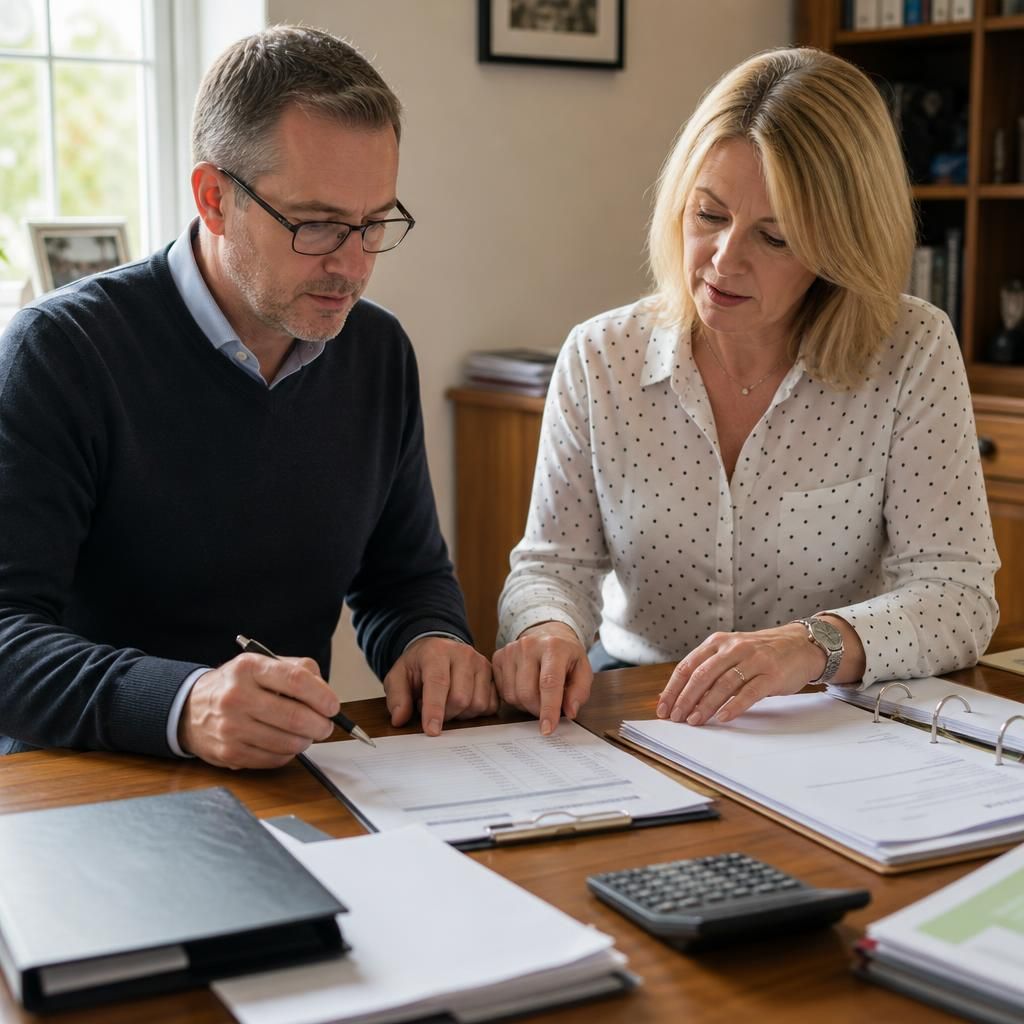
Keep probate and marketing valuations separate. An estate may require a valuation based on the property’s value at the date of death, while the selling price should reflect current market conditions, the property’s condition and the chosen sale method. These figures serve different purposes and should not be treated as interchangeable.
Keep a written record of how each valuation was reached, including relevant comparable properties, assumptions and known defects. If the eventual sale price differs significantly from the date-of-death figure, retain the supporting evidence and ask the estate’s solicitor or tax adviser whether any records or reporting need to be reviewed.
Discuss Your Probate Property Sale Options
If you are assessing the most suitable route for a probate property sale, discuss the circumstances with buyhousesfast.co.uk and consider whether a direct cash sale fits the estate’s requirements. Obtain independent legal advice before committing to any agreement.