

What are the specific legal steps required to initiate a probate property sale?
To initiate a probate property sale, the executor should obtain the Grant of Probate, confirm their legal authority and the property’s ownership details, then instruct a conveyancing solicitor to review the title and prepare the sale. The property can be marketed before the grant in some circumstances, but contracts generally cannot be exchanged until the executor’s authority and any required consents are established.
The legal initiation of a probate property sale involves proving who is entitled to deal with the deceased’s estate, establishing whether the property forms part of that estate, meeting inheritance-tax and estate-administration requirements, and preparing the property for a legally valid transaction. The precise procedure depends on the UK jurisdiction, the wording of the will, the ownership structure and whether any disputes or restrictions exist.
1. Identify the personal representatives
Check the original will and any codicils to identify the named executors. If there is no valid will, the estate is usually administered by administrators appointed under the intestacy rules. Where several people are appointed, establish whether they must act together. An executor who does not wish to take part may need to formally renounce probate or reserve their power, rather than simply allowing another person to handle the sale informally.
Before taking action, obtain the death certificate and collect evidence of the deceased’s identity, address and assets. A solicitor or probate professional will normally need identification and documents confirming the relationship between the applicant and the deceased.
2. Confirm that the property belongs to the estate
Obtain the registered title or the equivalent land records and inspect the ownership details. A property held in the deceased’s sole name will normally need to be dealt with through the estate. Joint ownership requires closer examination:
- With a joint tenancy, the deceased’s interest will commonly pass to the surviving owner outside the estate, subject to the applicable law and any relevant documentation.
- With a tenancy in common, the deceased’s share generally forms part of the estate and may be sold or transferred by the personal representatives.
Check for restrictions, charges, notices, trusts, rights of occupation, lease terms and registered mortgages. The title should be compared with the will and the deceased’s financial records, as an apparent ownership arrangement may not reflect the beneficial position.
3. Check the will and potential claims
Read the will carefully for instructions affecting the property, such as a specific gift, a right for someone to occupy the home, or a direction to sell particular assets. A sale can be complicated if the property has been left to a named beneficiary rather than included in the general estate.
Consider whether anyone may challenge the will or bring a claim against the estate. Possible issues include doubts about the will’s validity, lack of testamentary capacity, undue influence, or a claim by a dependant who believes the provision made for them is inadequate. If a dispute is threatened, obtain specialist advice before marketing the property or agreeing a sale.
4. Deal with inheritance tax and the probate application
Prepare a full inventory of the deceased’s assets, debts, gifts and relevant financial interests. The personal representatives must determine whether inheritance tax is due and submit the required information to HM Revenue & Customs. Depending on the estate, tax may need to be paid or arrangements made before the probate application can progress.
The application should use the correct forms and supporting documents for the circumstances. Errors in asset values, omitted liabilities or incomplete information can delay the grant and may create personal liability for the representatives. Professional advice is particularly important where the estate includes business interests, trusts, overseas assets, lifetime gifts or more than one property.
5. Apply under the correct UK procedure
In England and Wales, the relevant authority is usually established through a Grant of Probate where there is a valid will, or letters of administration where there is no will or the named executors cannot act. Scotland uses confirmation rather than the same probate process, while Northern Ireland has its own probate procedure. The property’s location and the estate’s circumstances determine which application is appropriate.
Do not assume that a grant issued in one part of the UK automatically provides the same authority elsewhere. A solicitor can confirm the correct court, forms and evidence where the deceased lived in one jurisdiction but owned property in another.
6. Check financing, insurance and occupation
Notify the mortgage lender, insurer and relevant utility providers of the death. The lender may require repayment, consent to a sale or specific information before releasing its charge. Insurance arrangements should reflect whether the property is occupied, empty, furnished or undergoing work; ordinary household cover may not continue on the same terms after the owner’s death.
Establish who has keys, whether anyone is living at the property and whether there are informal occupation arrangements. If a beneficiary, tenant or other occupant has rights, the sale strategy must account for those rights. The personal representatives should not promise vacant possession until the legal and practical position has been confirmed.
7. Prepare the title and sale information
The conveyancer should obtain official copies of the title, review boundaries and rights, and identify any documents needed to discharge a mortgage or remove a restriction. For leasehold property, gather the lease, service-charge information, ground-rent details, building-insurance documents and any required landlord or managing-agent forms.
The seller must provide accurate replies to property-information enquiries and disclose known defects, disputes, notices, alterations and issues affecting the property. Executors should not answer from guesswork. Where information is unknown because the deceased managed the property, that limitation should be stated accurately and investigated where possible.
8. Establish the sale authority and contract arrangements
Where there are multiple personal representatives, the conveyancer should confirm who will sign the contract and transfer, and whether every required representative must execute the documents. If a representative has died, lost capacity, renounced authority or is unable to participate, further legal steps may be necessary.
The contract should identify the correct seller as the personal representatives of the deceased’s estate, use the proper property details and reflect any special conditions. The conveyancer will also check how sale proceeds are to be received, how secured debts will be repaid and how the balance will remain within the estate for distribution.
9. Obtain any additional consents
Extra consent may be needed where the property is subject to a trust, an occupation right, a court order, a charge in favour of a public body, a lease restriction or a dispute. If a beneficiary is under 18 or lacks capacity, the representatives may need court involvement or a trustee arrangement before the transaction can proceed.
A cash purchaser does not remove these requirements. A buyer may be able to agree terms while estate administration continues, but the conveyancing process still has to establish the seller’s authority, title and ability to give the required form of transfer and possession.
Practical order of work
- Secure the property and locate the will, title documents, mortgage records and insurance details.
- Identify the personal representatives and check whether the property passes through the estate.
- Value the estate and address inheritance-tax reporting or payment requirements.
- Make the appropriate probate, confirmation or administration application.
- Instruct a conveyancer to investigate title, restrictions, occupation and leasehold matters.
- Collect accurate property information and resolve issues that could prevent a sale.
- Prepare the contract and transfer documents once the representatives’ signing arrangements are clear.
Keeping a written record of decisions, valuations, expenses, beneficiary communications and professional advice helps demonstrate that the representatives have acted properly. Because mistakes can expose executors to personal liability, a solicitor should review unusual ownership, tax, trust or dispute issues before the sale is committed.
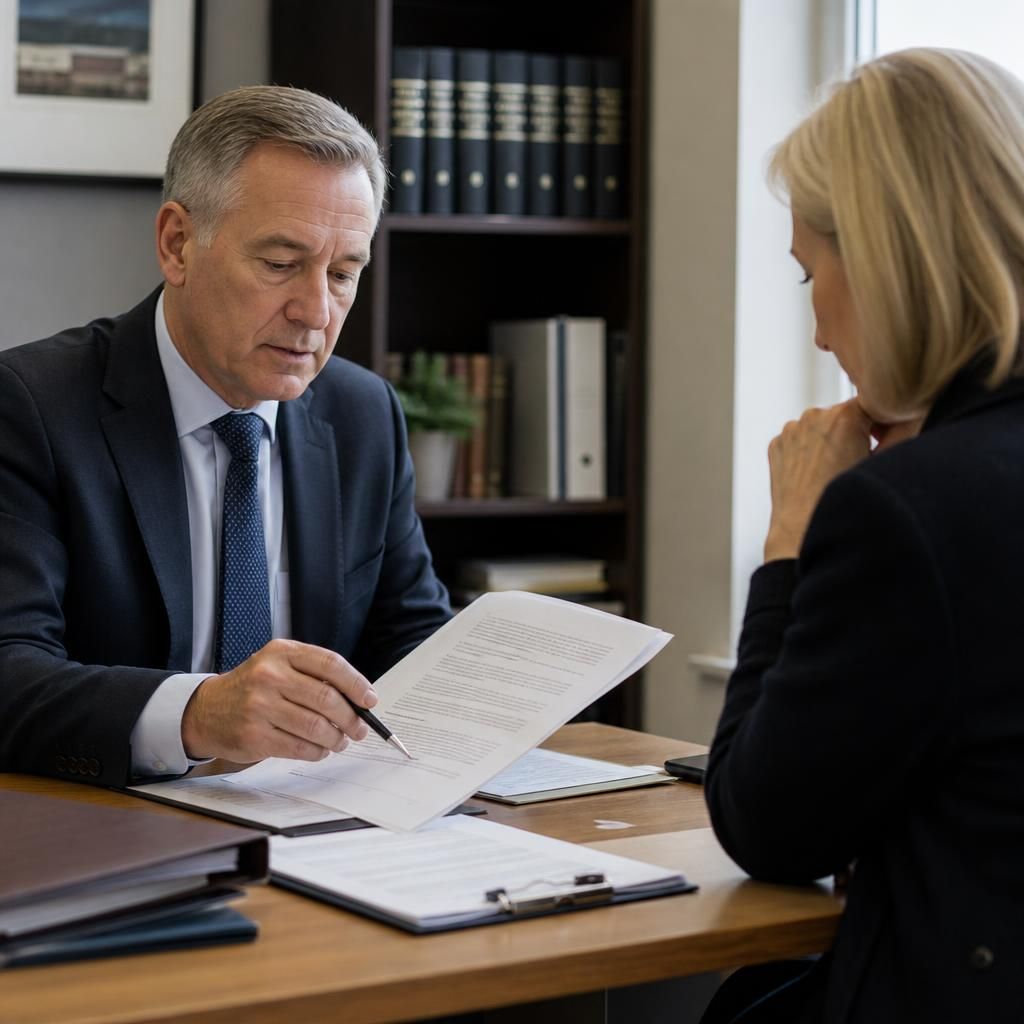
Before accepting an offer, personal representatives should show that the proposed sale serves the estate’s interests and is not influenced by a conflict of interest. This is especially important if a buyer is a beneficiary, a relative of an executor or another connected person. Independent legal advice and evidence supporting the agreed price can help protect the transaction from later challenge.
- Keep written reasons for choosing the sale method and accepting the offer.
- Record relevant valuations, marketing evidence and professional advice.
- Disclose any personal interest and obtain advice before proceeding with a connected-party sale.
- Ensure the decision is consistent with the will and the representatives’ duties to the estate.