

What are the potential pitfalls or common challenges in a probate auction compared to a cash sale?
A probate auction can involve uncertain proceeds, legal-pack preparation, buyer default risk and strict completion deadlines, while the property may remain unsold if bidding does not meet the reserve. A cash sale usually avoids the auction process, but common challenges include accepting a potentially lower offer, checking the buyer’s funds and resolving probate, title or property-condition issues before completion.
The main pitfalls of a probate auction are reduced control over the sale process, costs incurred before a sale is secured, and the risk that practical or legal issues limit the number of bidders. A cash sale removes the bidding environment, but it still requires careful checks on valuation, contract terms, authority to sell and the buyer’s ability to complete.
Probate auctions can create costs before the outcome is known. The personal representatives may need to pay for a valuation, auctioneer’s commission, marketing, catalogue preparation, photography, legal work and repairs or clearance needed to present the property properly. Some auction arrangements also include fees or contractual obligations if the lot is withdrawn. These costs should be confirmed in writing, including which are payable regardless of whether the property sells.
Preparing the legal pack can expose unresolved issues. An auction property is normally marketed with legal information for prospective bidders. Missing or inconsistent documents can discourage bidding or lead buyers to reduce their bids to reflect the perceived risk. Examples include discrepancies in the title, incomplete leasehold information, restrictive covenants, unclear rights of way, planning questions or uncertainty about who has authority to sign. Where probate has not been fully regularised, the solicitor should establish whether the personal representatives can enter into the contract and whether every required party is included.
The auction format limits the seller’s ability to renegotiate. Once a bid is accepted under the relevant auction terms, the seller may be committed to the contract. This can make it difficult to correct an overlooked term, agree extra time for paperwork or respond to a newly discovered defect. Before the property is listed, the executor should understand the conditions of sale, deposit arrangements, completion provisions, default remedies and any special conditions added by the solicitor.
Marketing an occupied or difficult property may be challenging. Tenants, relatives or other occupants may restrict access for viewings, while poor condition, structural defects, contamination, Japanese knotweed, non-standard construction or unauthorised alterations can affect buyer interest. If the property is not vacant, the auction documents should state the occupancy position accurately. A failure to disclose relevant information can lead to disputes, additional legal expense or pressure to amend the transaction.
A probate auction may attract a narrower buyer pool. Some bidders are comfortable assessing refurbishment work and legal risk; others require mortgage finance or more extensive information before bidding. If the property is unusual, leasehold, tenanted or in poor condition, fewer bidders may participate. This can make the final result particularly sensitive to the quality of the legal pack, photographs, viewings and description.
A cash sale has different risks rather than no risks. Without competitive bidding, the personal representatives need another way to test whether the proposed price is reasonable. Independent valuations, recent comparable sales and advice on the property’s condition can help beneficiaries understand the basis of the offer. It is also important to check whether the price is subject to deductions, works, access arrangements or other conditions that are not obvious from the headline figure.
The contract for a cash sale should identify:
- the exact purchase price and any permitted adjustments;
- the deposit and completion arrangements;
- what fixtures, fittings and contents are included;
- whether vacant possession is required;
- responsibility for searches, legal fees, clearance and outstanding charges; and
- what happens if either party does not comply with the agreement.
Another common difficulty is assuming that a cash buyer will not carry out due diligence. A buyer may still inspect the property, review title documents, raise enquiries and investigate planning, environmental or structural matters. If these checks identify an issue, the buyer may request a price change or additional contractual protection. Supplying accurate information at the outset reduces the risk of late disagreements.
The executor must also consider the interests of all beneficiaries. A decision made simply because it appears convenient may be questioned if the sale price is not properly supported or if one beneficiary believes the property should have been exposed to wider competition. Keeping written records of valuations, professional advice, offers received, property condition and the reasons for selecting the chosen route can help demonstrate that the decision was made responsibly.
In practice, the better option depends on the property, the state of the probate administration, the beneficiaries’ priorities and the level of legal or physical uncertainty. An auction may suit a property that is readily marketable to investors and has well-prepared documentation. A cash sale may offer a more controlled structure where the seller values a negotiated agreement and wants to avoid preparing for a public bidding process. In either case, an independent solicitor experienced in probate conveyancing should review the authority to sell and the proposed contract before the property is committed to a transaction.
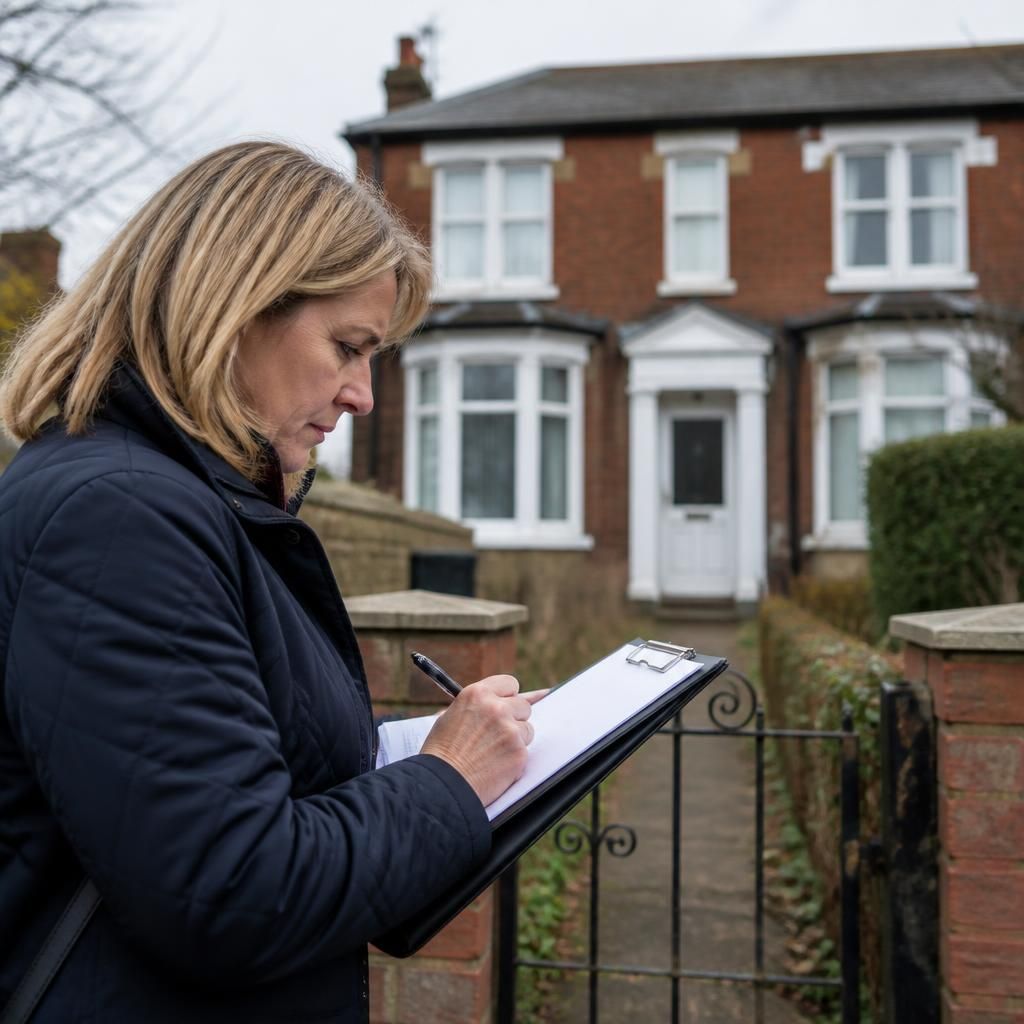
One practical pitfall in a probate auction is the continuing responsibility for the property between listing, sale and completion. The estate may still need to maintain suitable buildings insurance, secure a vacant property, arrange inspections and deal with damage, utilities or urgent maintenance during this period.
The sale contract should clarify when responsibility for risk passes to the buyer, but executors should not assume that an accepted bid immediately transfers every obligation. Insurance conditions may require regular checks, notification that the property is unoccupied or additional security measures. A cash sale can involve the same issue, although the parties can address it directly during negotiations and record the agreed arrangements clearly.
Before choosing either route, the executor should ask the insurer and conveyancer what cover is required and who is responsible for the property until completion. This is particularly important where the house is empty, contains contents awaiting clearance or has defects that could increase the chance of damage.