

What factors should you consider when deciding between a probate auction and a cash sale?
Consider the estate’s legal readiness, the property’s condition and marketability, the required timescale, likely costs, and whether the beneficiaries prioritise price or certainty. A probate auction may suit a property likely to attract competitive bidding, while a cash sale can be more appropriate when a simpler transaction and greater control over timing are more important.
The decision between a probate auction and a cash sale should be based on how the estate wants to balance control, sale certainty, buyer competition and administrative simplicity. In addition to the property and the expected proceeds, consider the beneficiaries’ agreement, the executor’s authority, the condition of the sale documentation, the type of buyer each route is likely to attract and the consequences if the transaction does not complete.
Consider whether all interested parties agree with the proposed route. Executors should establish that the personal representatives and beneficiaries understand the implications of an auction or direct sale. A disagreement after marketing has started can cause delay, particularly if one beneficiary expects the property to be tested at auction while another prioritises a straightforward disposal. Keeping a written record of the decision, the valuation evidence and any advice obtained can help demonstrate that the property was handled properly for the estate.
Assess the quality of the valuation evidence. An auction may expose the property to several potential buyers, but the final result depends on the guide price, reserve and level of bidding on the day. A low guide price can encourage interest but may not indicate the amount the estate will ultimately receive. Conversely, setting a high reserve can reduce the likelihood of a sale. A direct cash offer provides a specific figure to consider, which may make comparison easier, but executors should still check how it relates to independent market evidence and the property’s saleability.
Understand the auction’s contractual structure. Before choosing an auction, read the auctioneer’s terms carefully. Establish whether the sale is unconditional, when exchange takes place, what deposit is payable, and how long the buyer has to complete. Review the legal pack for title information, searches, planning documents, tenancy arrangements and any known disputes. Errors or omissions may lead to enquiries, renegotiation or a failed transaction. The personal representatives should ensure that the legal documents are sufficiently prepared before the lot is offered.
Compare the level of control retained by the estate. Auction marketing follows a set process and the property is exposed to public bidding, which may be useful where competition is expected. However, once the lot is sold under an unconditional contract, withdrawing or changing the terms can be difficult. A negotiated cash sale generally allows the parties to discuss the offer, agree specific contractual provisions and decide whether unusual features of the property can be dealt with in the contract. That flexibility can matter where the title, occupation or contents require tailored arrangements.
Examine the buyer’s ability and willingness to proceed. The headline offer is only one part of the assessment. Ask what evidence the buyer can provide about funding, whether there is a related sale, and whether the buyer has identified any conditions that could affect completion. In an auction, the successful bidder may have committed contractually, but enforcement or recovery can still create practical complications if they default. With a cash buyer, the estate can investigate the proposed purchaser and the terms of the offer before entering into a contract.
Take account of occupation and estate contents. If the property is occupied by a tenant, family member or former owner, the sale method must reflect the legal position and any arrangements for vacant possession. Executors should also decide how furniture, personal belongings and items fixed to the property will be dealt with. Clear instructions in the particulars and contract can prevent disputes with the buyer. These matters are especially important where the property cannot be inspected or handed over in the condition assumed by the purchaser.
Consider the effect of the sale route on administration. The personal representatives may need to coordinate with solicitors, valuers, auctioneers, insurers, lenders and beneficiaries. An auction introduces a defined marketing and bidding process, whereas a cash sale may reduce the number of parties involved but places more responsibility on the executor to assess the offer and negotiate the contract. Consider who will provide instructions, who can approve changes, and how decisions will be recorded if more than one personal representative is appointed.
Review tax and accounting implications with the estate’s advisers. The sale price, date of disposal, property value at the relevant probate date and any subsequent change in value may affect the estate’s reporting obligations. The treatment of mortgage interest, maintenance, insurance, clearance and professional charges also needs to be recorded accurately. These issues are not a reason to choose one method automatically, but they should be considered before accepting an offer or setting auction instructions. A solicitor or tax adviser can explain the position for the particular estate.
A probate auction is more suitable where the representatives want open-market bidding, have prepared a complete legal pack and accept the structure of an auction contract. A cash sale may be preferable where a clearly documented offer, direct negotiation and control over the contract are more valuable than the possibility of competitive bidding. The final decision should be supported by an independent valuation, professional legal advice and a written comparison of the expected proceeds, obligations and risks under each route.
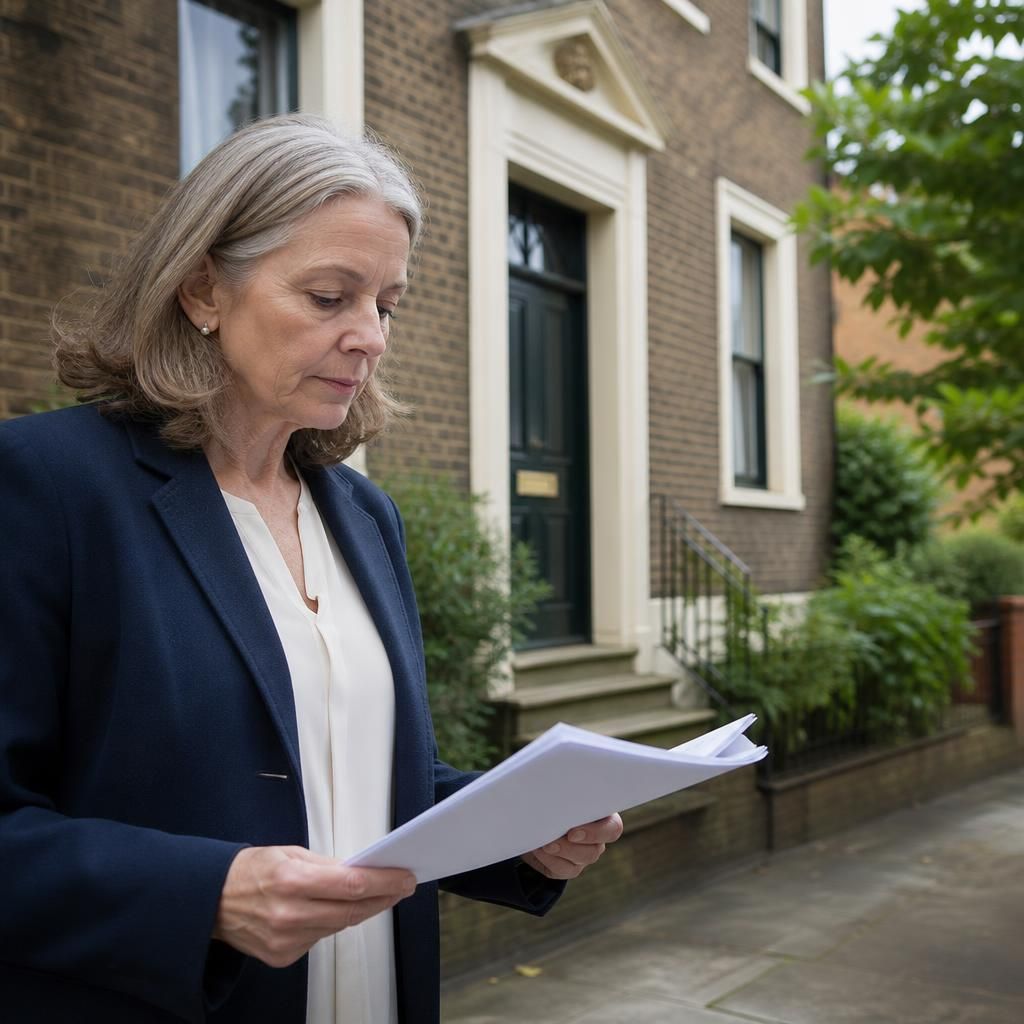
Insurance requirements can influence the choice between a probate auction and a cash sale, particularly if the property will be empty while the sale is arranged. Standard household cover may contain unoccupancy conditions or restrictions on unoccupied buildings, so the personal representatives should notify the insurer and confirm that the policy covers the property throughout marketing, inspections and completion.
Executors should also check how the proposed sale process affects practical risks such as public viewings, access by contractors, accidental damage and deterioration caused by a vacant property. If suitable cover is difficult or expensive to maintain, a sale route that limits the period of ownership may reduce the estate’s exposure, subject to the insurer’s terms and the solicitor’s advice.
Discuss Your Probate Sale Options
Once you have reviewed the estate’s legal position and obtained appropriate advice, share the property details and probate status with Buy Houses Fast to discuss whether a cash sale is suitable. Keep any offer under consideration alongside independent valuation evidence and your solicitor’s advice.