
How long does the probate valuation and deed preparation process typically take?
There is no fixed timetable: a probate valuation may be completed relatively quickly once the property details and access are available, while deed preparation can take longer if the grant of probate, title records or other legal information is incomplete. The overall process is usually governed by the completeness of the estate documents, the complexity of the property and whether any legal issues need resolving.
Probate valuation and deed preparation can take anywhere from several weeks to several months, depending on the estate and the legal work involved. The valuation is usually the shorter part of the process. Deed preparation often takes longer because it involves confirming the deceased’s ownership, the executor’s authority and the wording needed to transfer or sell the property correctly.
A typical process includes the following stages:
- Initial property inspection and information gathering: The valuer reviews the property’s location, condition, size, tenure and any relevant improvements. Comparable local sales and current market conditions are then considered to produce a defensible valuation date and figure.
- Preparation of the valuation report: The report should explain the methodology, the property details, the valuation basis and any assumptions. A formal report may be needed for inheritance tax, estate accounts, court proceedings or negotiations between beneficiaries.
- Review of ownership and authority: The legal professional checks the title register, the will or intestacy position, the personal representatives and any restrictions affecting the property. If more than one executor or beneficiary is involved, obtaining agreement can add administrative time.
- Drafting the deed or transfer document: The appropriate document is prepared for the proposed transaction. Its wording depends on whether the property is being transferred to a beneficiary, sold to a third party or dealt with as part of an estate administration.
- Checks, signing and completion: The parties review the deed, provide any required identification or supporting evidence, sign it in the correct manner and arrange completion. Registration or updates to the Land Registry may follow the transaction.
The valuation stage can sometimes be arranged independently of the deed work, which means the estate may obtain a value before every legal document is ready. This is useful where the figure is needed for tax reporting or to help beneficiaries decide whether to retain or sell the property. It does not, however, remove the need for the legal authority required to transfer ownership.
Deed preparation is more likely to take longer where the property is leasehold, jointly owned, unregistered or subject to a restriction. Issues such as a missing original document, an unclear will, a discrepancy in names, an unresolved mortgage or a disagreement between beneficiaries may also require further investigation. A property with an occupier, business use or unusual title arrangement can need additional drafting and enquiries.
To reduce avoidable delay, the personal representatives should provide the valuer and solicitor with the available title information, death certificate, will or intestacy details, grant of probate when issued, mortgage information and relevant property documents. A clear decision about whether the property is to be transferred or sold also helps the professional prepare the correct deed rather than revising it later.
Where the estate intends to sell, a cash buyer may be able to discuss a purchase without the property first going through an estate-agent marketing campaign. The probate requirements still apply: the buyer cannot replace the executor’s authority or remove the need for correctly prepared legal documents. The conveyancer acting for the estate should confirm what can proceed before anyone relies on an expected completion date.
The most reliable estimate comes from the solicitor or conveyancer handling the estate after reviewing the title and probate position. Ask what remains outstanding, which documents are required from each representative and whether the proposed deed is a transfer to a beneficiary or a sale to a buyer. Those details provide a more useful timetable than a general average.
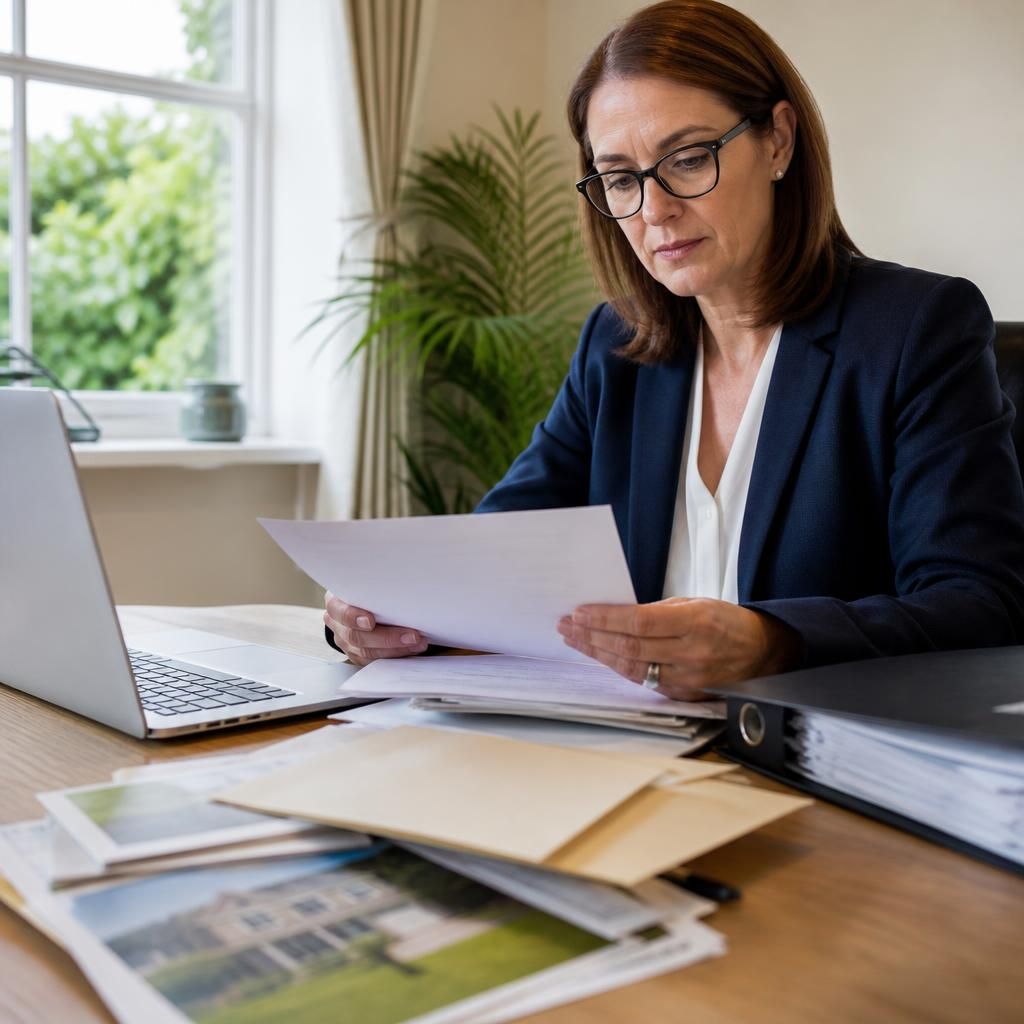
A probate valuation is often based on the property’s market value at the date of death, rather than its value on the day the inspection takes place. If the inspection happens later, the valuer may need to assess historical market evidence and establish whether the property’s condition has changed.
Photographs, repair records, previous marketing details and information about alterations can help support that assessment. If this evidence is incomplete or the property has been substantially changed, further enquiries may be needed before the valuation report is finalised, adding time to the overall probate process.
Discuss Your Probate Valuation and Deed Preparation Timetable
Contact buyhousesfast.co.uk to discuss your probate valuation and deed preparation timetable, including the documents available and whether the estate intends to transfer or sell the property. Consider any proposed timescale alongside advice from the solicitor or conveyancer handling the estate.