

What factors should be considered when choosing a professional for probate valuation and deed preparation?
Choose a professional with specific experience in probate property matters, a sound valuation methodology, knowledge of UK legal and tax requirements, and the appropriate qualifications for valuation or deed preparation. Also check that they provide a clear written scope, transparent fees, independent advice where needed, and accurate documentation suitable for the executor, beneficiaries and relevant authorities.
The right professional should be selected according to the estate’s specific requirements, the complexity of the property and the work they are legally permitted to undertake. In addition to checking technical competence, consider whether they can handle the relevant valuation date, identify title or ownership issues, protect confidential information, communicate with all authorised parties and provide records that can be relied on throughout the administration of the estate.
Check that the service matches the work required. Probate valuation and deed preparation are related but distinct tasks. A valuation may be needed to establish the property’s open-market value at the date of death, while a deed may concern the transfer, assent or transmission of the property after the grant of probate. Confirm whether the professional is being asked to inspect and value the property, prepare legal documents, review existing deeds, or co-ordinate several of these steps. A property valuer may not be authorised to provide legal advice, and a person preparing a deed may need instructions from the executor or a suitably authorised legal adviser.
Consider the valuation date and evidence available. Probate work can require a retrospective opinion of value rather than an assessment based only on current market conditions. Ask how the professional will deal with the date of death, changes in the local market, alterations made after death and comparable properties that sold at a different time. The condition of the property on the relevant date, its occupancy, tenure, planning position and any development potential may all affect the conclusion. Where direct evidence is limited, the report should explain the reasoning and any assumptions rather than presenting an unsupported figure.
Assess how thoroughly the property and title will be investigated. Physical inspection is particularly important where the property is unusual, unoccupied, damaged, tenanted or affected by extensions and conversions. The professional should also identify information that must be checked against the title register, lease, plan, planning records, building regulations documents and tenancy arrangements. A valuation cannot resolve every title defect, but the report should distinguish between matters observed, matters evidenced by documents and matters that still require legal investigation.
Look for a clear approach to conflicts of interest. Estate property can involve several beneficiaries, executors, occupants or prospective purchasers whose interests do not always coincide. Ask how conflicts will be identified and managed, who the client is, and whose instructions can be accepted. A professional should not allow pressure from one beneficiary or a proposed transaction to influence an impartial valuation. If the same person is involved in both advising on value and negotiating a sale or transfer, the possible conflict should be understood before instructions are given.
Review the handling of probate and deed information. The work may involve wills, grants, identity documents, title records, valuations, bank details and correspondence about beneficiaries. Confirm how documents will be collected, stored, shared and returned, particularly where several people are involved in the estate. It is also sensible to establish whether the professional will keep an audit trail showing the instructions received, documents considered, revisions made and material communications. This can help resolve uncertainty if the estate is later reviewed or challenged.
Examine the proposed report and deed-review process. Before appointing anyone, ask what the final deliverables will contain. A useful valuation report normally identifies the property, the interest being valued, the relevant date, the basis of value, assumptions, limitations, evidence considered and the person or organisation for whom it was prepared. For deed-related work, confirm whether the document will be drafted, checked, witnessed, submitted or merely reviewed. Establish who is responsible for correcting errors and whether amendments require fresh instructions.
Check communication and decision-making arrangements. Probate matters often involve people who live at different addresses or have different levels of knowledge about the property. Agree who will provide instructions, who must approve the report or deed, and how questions from beneficiaries will be handled. The professional should explain technical conclusions in plain language and identify decisions that cannot be made without executor authority or legal advice. Prompt, well-documented communication is more important than informal assurances because the estate may depend on a clear sequence of decisions.
Consider professional safeguards. Ask whether appropriate professional indemnity cover is maintained and whether there is a documented complaints procedure. These safeguards do not replace careful selection, but they provide a route for dealing with an error, omission or disagreement. You should also establish whether the final valuation is intended for a particular authority, solicitor, court or tax-related purpose, as the required level of detail and reliance may differ.
Use a practical comparison checklist. When comparing candidates, ask:
- What exact valuation, deed or review service is included?
- What information and access will the estate need to provide?
- What assumptions, limitations or unresolved issues could affect the work?
- Who will be responsible for legal interpretation, witnessing and registration where relevant?
- Who may rely on the report or documents, and can they be shared with the estate’s adviser?
- What records will be supplied at the end of the instruction?
- How will corrections, disagreements or changes in circumstances be dealt with?
A suitable choice is therefore the professional whose remit, evidence-gathering process, conflict controls and reporting arrangements fit the estate, not simply the person offering the lowest quoted cost. Where the property has disputed ownership, a leasehold complication, an unusual layout, agricultural or development potential, or disagreement between beneficiaries, obtain specialist legal guidance alongside the valuation rather than expecting one professional to resolve every issue.
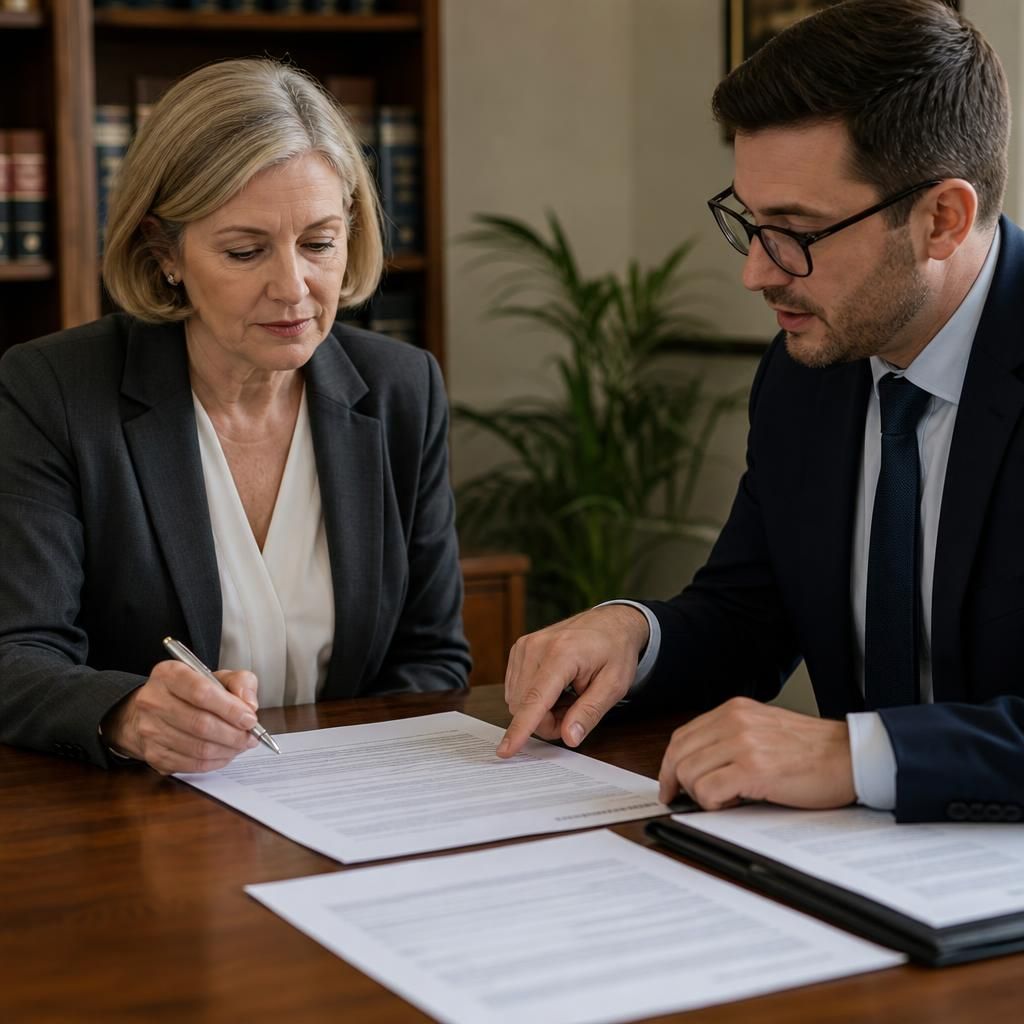
A deed is not effective simply because it has been drafted. Before choosing a professional, confirm who will verify the executor’s authority, check the registered title, arrange any required signatures and witnessing, and deal with registration or post-completion requirements. The engagement should state whether these steps are included or remain the responsibility of the executor or legal adviser.
Ask how the professional will handle discrepancies between the grant, will, title register and proposed transfer. Any inconsistency should be identified before documents are signed, rather than treated as an administrative correction afterwards. This helps ensure that the chosen service supports a properly documented transfer and does not leave the estate assuming that preparation alone completes the legal process.
Discuss Your Probate Valuation and Deed Preparation Needs
If you are comparing professionals for probate valuation and deed preparation, discuss your estate’s requirements with Buy Houses Fast and clarify which parts of the work require valuation expertise or legal advice. Provide the relevant property and probate details so the appropriate next steps can be identified.