

What is the process for obtaining a probate property valuation?
Obtaining a probate property valuation usually involves confirming the legal authority to act, supplying relevant property and probate documents, and arranging an inspection by a suitably qualified valuer. The valuer assesses the property’s condition, location and comparable market evidence, then prepares a written valuation for the executor or administrator to use in the probate and inheritance tax process.
A probate property valuation is a formal assessment of a deceased person’s interest in a property, normally based on its open-market value at the date of death. The process converts information about the property and the local market into a documented figure that can support estate administration, inheritance tax reporting and, where appropriate, a later sale.
1. Confirm the valuation’s purpose
The executor or administrator should first establish why the valuation is needed. A figure prepared for inheritance tax reporting may need to reflect the property’s value on the date of death, even if the valuation is commissioned later. A separate or updated assessment may be relevant if the property is subsequently sold, if the market has changed, or if the original figure is challenged.
The valuer should also be told whether the deceased owned the whole property, a defined share, or an interest subject to another arrangement. Ownership structure can affect how the interest is reported and prevents the wrong asset from being assessed.
2. Assemble the supporting information
Before the inspection or assessment, the personal representative normally provides information such as:
- the property address and type;
- the date of death;
- title or ownership information;
- details of extensions, conversions, outbuildings or other improvements;
- known defects, restrictions, leases or occupancy arrangements; and
- any previous valuation, sale particulars or relevant planning information.
Accurate background information matters because a valuer may otherwise rely on assumptions. If the property is leasehold, the remaining term, service charge, ground rent and other lease provisions may be relevant. For a flat, the condition and management of the wider building can also influence value.
3. Establish the valuation date
The valuation date is a central part of probate work. The relevant figure is not automatically the property’s current asking price or the amount eventually achieved on sale. The valuer considers the property and the market as they stood at the required date, using available evidence from around that time.
Where the assessment is retrospective, the valuer may examine historic transactions, archived particulars, market movements and the property’s condition at the valuation date. Later repairs, deterioration or improvements should be distinguished from the property’s state at that point.
4. Inspect the property and identify relevant characteristics
During an inspection, the valuer considers matters that could affect a willing buyer’s view of the property. These can include accommodation, plot size, access, parking, outlook, construction, repair requirements and the quality of any alterations. The assessment may also take account of factors such as shared access, rights of way, development potential, flood risk or enforcement concerns.
If the property cannot be entered, is occupied, unsafe or substantially damaged, the valuer may need to qualify the assessment. In some cases, an external inspection and documentary evidence may be used, but the limitations should be recorded clearly.
5. Analyse comparable market evidence
The valuer compares the property with relevant sales and adjusts the evidence for differences in location, size, condition, specification and timing. Asking prices can provide context, but completed transactions are generally more useful because they show what buyers actually agreed to pay.
A probate valuation should not simply apply a broad local price-per-square-metre figure. Two apparently similar homes may differ materially because of their plot, condition, tenure, legal restrictions or improvement potential. The report should explain the reasoning behind the conclusion and identify any assumptions.
6. Review the written report
The completed report should identify the property, valuation date, basis of valuation, assumptions, limitations, comparable evidence and concluded figure. The executor should check names, addresses, ownership details and the valuation date carefully. Errors should be raised with the valuer before the figure is submitted as part of the estate accounts.
If the property has unusual features or the valuation is likely to be disputed, the personal representative may need clarification or additional evidence. A written record of instructions, documents supplied and any subsequent corrections should be retained with the estate papers.
7. Use the valuation in estate administration
The valuation may be passed to the solicitor, accountant or other adviser handling the estate. It can help with the relevant inheritance tax forms, estate accounts and decisions about whether the property should be retained, transferred or sold. The valuation does not itself transfer ownership or authorise a sale; those steps depend on the grant of representation, the title position and the executor’s legal responsibilities.
If the property is later marketed, the probate figure may provide a useful starting point but is not necessarily the correct asking price. A sale price reflects the conditions and evidence available at the time of sale, which may differ from the historic probate assessment. For a family considering a direct cash sale, the valuation can also provide a reference point for comparing an offer with the property’s documented estate value, while independent legal and tax advice remains important.
Keep the report, source documents and correspondence together. A clear audit trail makes it easier to explain how the figure was reached if HMRC, beneficiaries or another estate representative asks for supporting information.
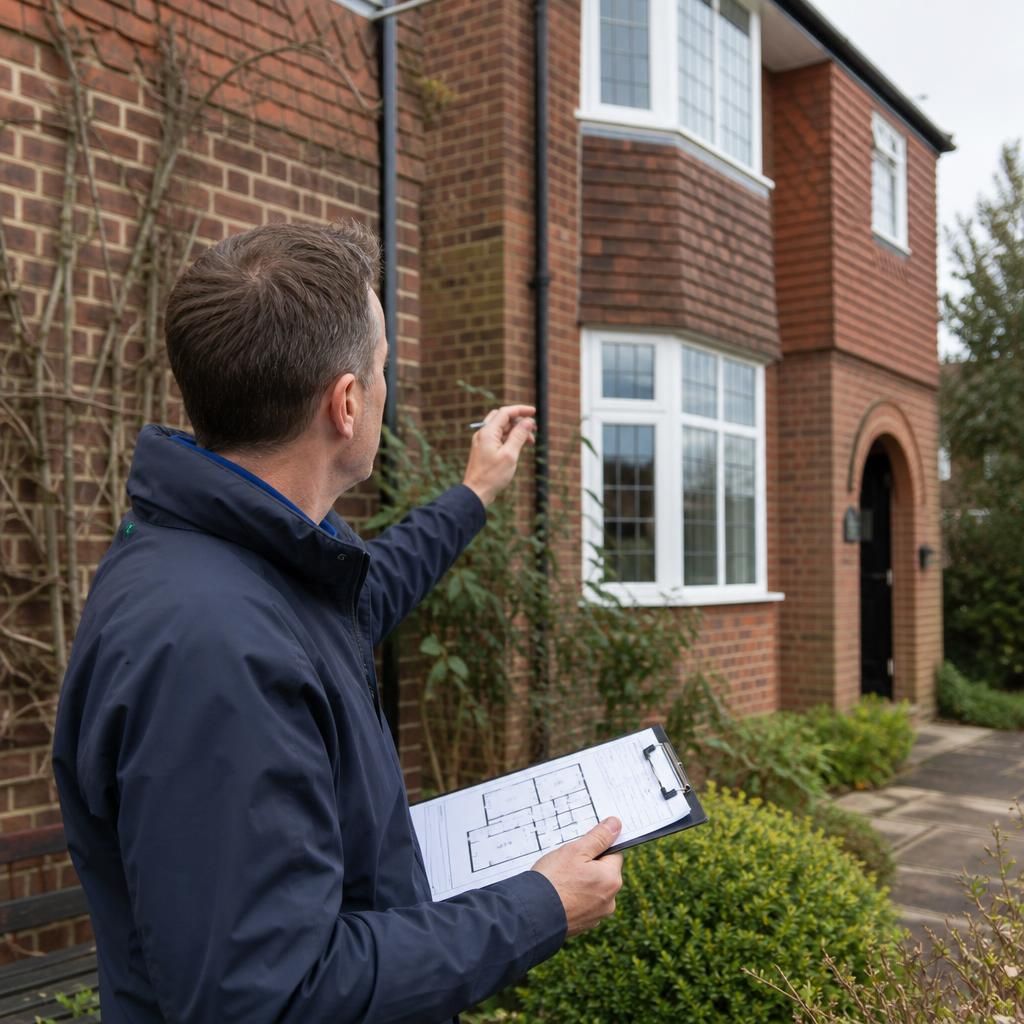
The inspection stage should capture the property’s condition as it relates to the valuation date, rather than simply presenting it in its best current state. Before clearing, repairing or altering the home, the personal representative should consider whether those changes could remove useful evidence of defects or features relevant to the assessment.
Useful preparation includes:
- keeping dated photographs of defects, damage, unfinished works and unusual features;
- retaining repair estimates, invoices, survey reports and insurance correspondence;
- recording any works completed after the date of death; and
- ensuring the valuer is told about areas that cannot be inspected or documents that are unavailable.
This information gives the valuer a clearer basis for explaining the property’s condition and any assumptions in the report. It is particularly helpful where the inspection takes place some time after death, or where the property has been secured, cleared or maintained during the administration of the estate.